German food, culture, traditions, recipes, and everyday life in Germany — written for readers in the United States, Canada, the UK, Australia, and around the world who are interested in authentic Germany.
The GermanBuy Magazine covers German food, recipes, traditions, holidays, culture, German products, and everyday life in Germany. Our contributors share knowledge, personal experiences, and insights into the food, customs, products, and traditions they know from Germany.
Written by Mary, Christoph, Martin, and Thomas.
Pentecost is coming up again, and I would like to take a moment to send my warmest wishes to all of our customers, readers, and friends around the world. A spring landscape in the Berchtesgaden region of Bavaria, Germany. In Germany, we call Pentecost Pfingsten. For many people, it is both a Christian holiday…
In Germany, coffee has never been limited to one particular brewing method. Traditional filter coffee, hand-brewed coffee, French press, espresso machines, and modern fully automatic coffee makers all have their place in German coffee culture. That variety can still be seen in the German coffee selection available today. The equipment may have changed over the…
German table manners are generally familiar to American diners, but a few details can feel different at first. The biggest differences are often less about strict rules than about the way a meal is approached: punctuality matters, the table is usually prepared before everyone sits down, and knife and fork are used in the traditional…
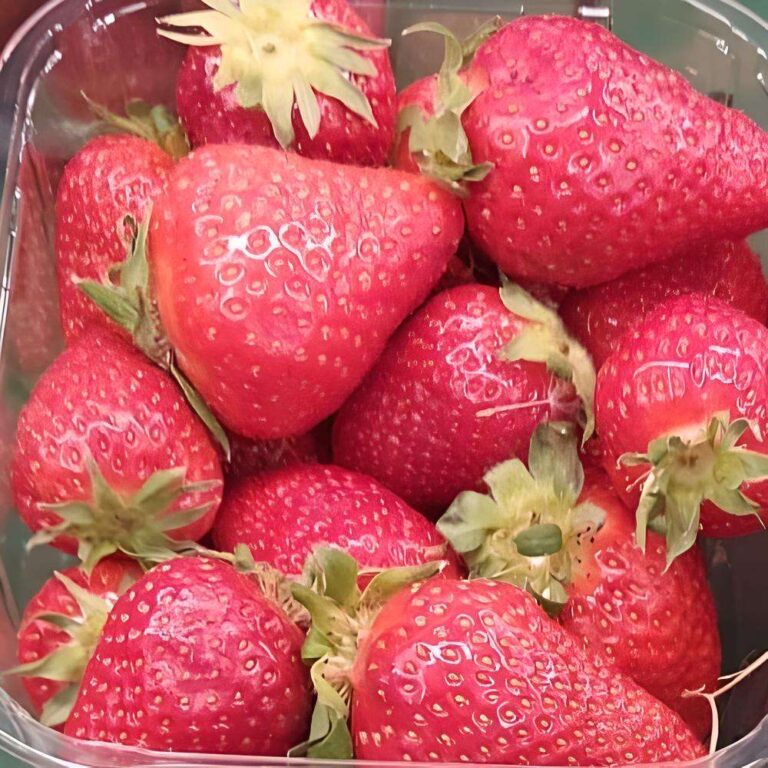
When German strawberries arrive at farm stands and local markets, summer does not feel far away. From late spring onward, bright red berries become a familiar sight along country roads, at weekly markets, in farm shops and on kitchen tables throughout Germany. For many people, strawberry season is about more than simply buying fresh fruit….
German Malzbonbons: The Bavarian Tradition of Blockmalz Some German candies have a flavor that stands out from the usual selection of chocolate, fruit candy and gummy sweets. Malzbonbons, or malt candies, are one of them. Their characteristic flavor comes from barley malt extract and caramelized sugar. In Bavaria, this traditional candy is known as Bayrisch…
Elderflower Sparkling Wine: Crafting a German Tradition When elderflowers begin to bloom in late spring, their creamy-white flower clusters bring a familiar fragrance to gardens, hedgerows and the countryside. In Germany, the short elderflower season has long been a reason to make something with the blossoms while they are fresh — especially homemade drinks. One…
Zwieback is one of those simple German foods that has been familiar in households for generations. Light, crisp and gently toasted, it has a distinctive texture that comes from a traditional preparation method: the bread is baked twice. In Germany, Zwieback is much more than a product associated with childhood or special diets. It is…
Good skincare does not have to be complicated, and it is not a matter of gender. For men, a practical routine can be built around a few basic steps: cleansing, moisturizing, protecting the skin from the sun, and paying attention to how the skin responds to shaving and other daily habits. The right routine depends…
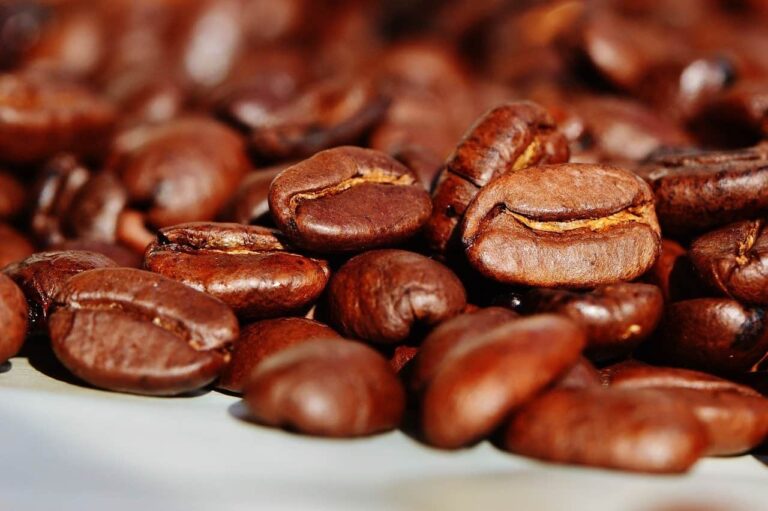
Coffee is deeply woven into everyday life in Germany. It is part of the morning routine, a welcome break during the day, and often the reason to sit down with family or friends for a while. For many people, the idea of German coffee is especially connected with freshly brewed filter coffee. But what does…
German skincare has a reputation for being practical, straightforward, and closely connected with everyday life. Rather than treating beauty as something reserved for special occasions, many German personal-care products have traditionally been designed for regular use: a familiar cream on the bathroom shelf, a dependable cleansing product, or a simple moisturizer used by more than…