Elderflower Sparkling Wine: Crafting a German Tradition
Elderflower Sparkling Wine: Crafting a German Tradition
When elderflowers begin to bloom in late spring, their creamy-white flower clusters bring a familiar fragrance to gardens, hedgerows and the countryside. In Germany, the short elderflower season has long been a reason to make something with the blossoms while they are fresh — especially homemade drinks.
One of the most traditional preparations is Holundersekt, a naturally fermented elderflower sparkling drink. It is made from fresh elderflowers, sugar, water and usually citrus, with fermentation creating the alcohol and natural carbonation. The result is a lightly sparkling, floral drink that tastes closely connected to the season in which it is made.
What Is Holundersekt?
The German word Holundersekt literally refers to a sparkling drink made from elderflowers. Despite the name, it is not the same thing as commercially produced German Sekt. Homemade Holundersekt develops its character through fermentation rather than by simply adding elderflower syrup to an already finished sparkling wine.
The basic ingredients are remarkably simple: fresh elderflower clusters, sugar, water and citrus such as lemon or orange. During fermentation, yeast converts some of the sugar into alcohol and produces carbon dioxide. That carbon dioxide is what gives the finished drink its natural sparkle.
The exact result can vary from one homemade batch to another. Temperature, fermentation activity, sugar content and the length of fermentation can all affect the finished drink.
The Short Elderflower Season
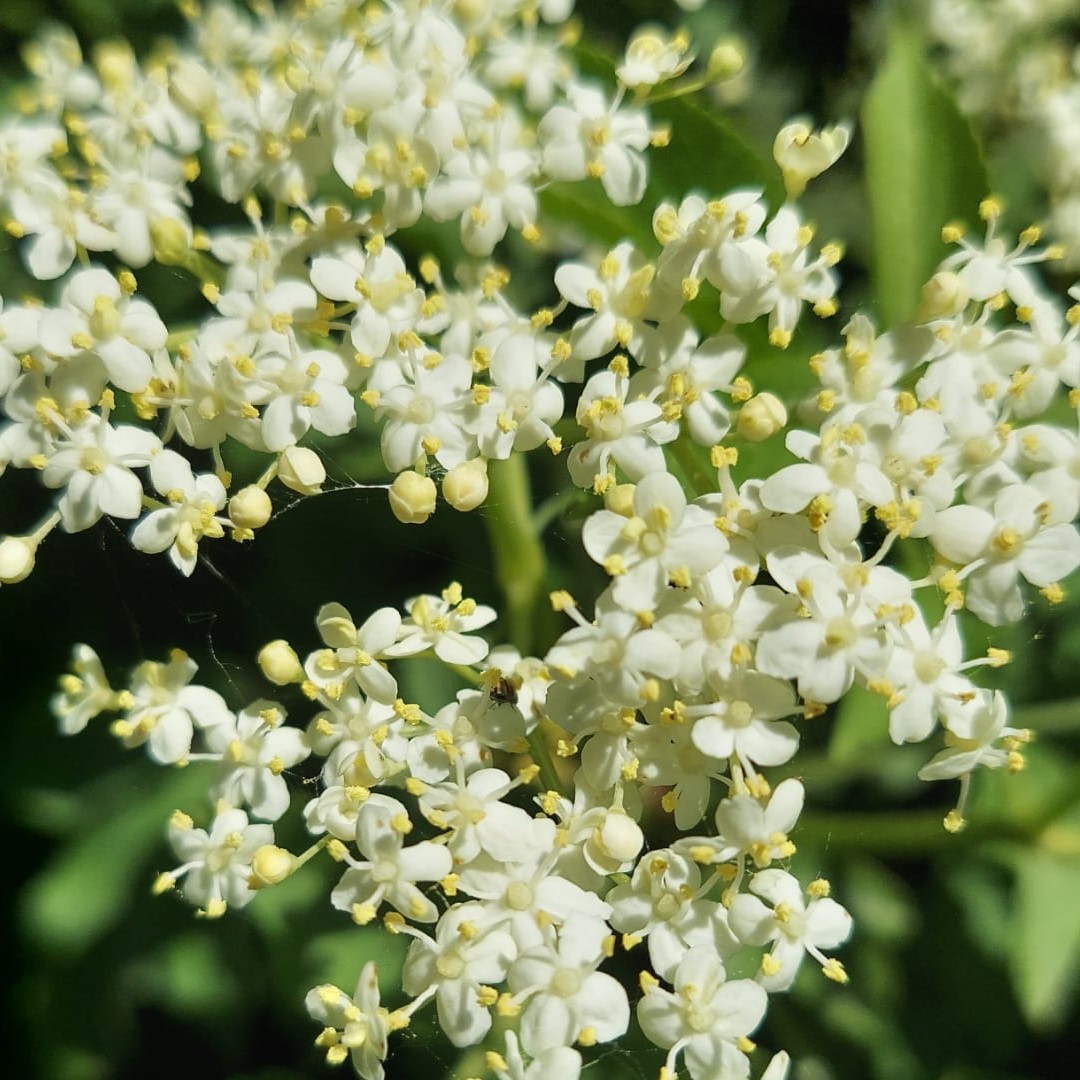
Elderflowers generally appear in late spring and early summer. The small cream-colored flowers grow in broad clusters and have a distinctive sweet, floral fragrance.
The timing matters because the flowers are available for only a relatively short period. For many traditional home preparations, that seasonal availability is part of the attraction. When the elder is in bloom, it is time to make something with it.
Choose fresh, healthy flower clusters from a suitable location and remove visible insects or unwanted plant material before using them. The flowers should be handled gently so their delicate aroma is preserved.
Ingredients for Homemade Holundersekt
The recipe below follows the quantities from the traditional preparation while giving US readers approximate measurements alongside the original metric amounts.
- 20–30 fresh elderflower clusters
- 3.3 lb (1.5 kg) sugar
- 1 lemon, thinly sliced
- 1 orange, thinly sliced
- 1.2 gallons (4.5 liters) water
There are many variations of homemade elderflower sparkling wine. Some recipes use only lemon, while others include orange or adjust the amount of sugar. The flowers remain the defining ingredient.
How to Make Elderflower Sparkling Wine
Step 1: Prepare the Elderflowers
Start with fresh elderflower clusters that are fully open and strongly fragrant. Carefully remove visible insects and unwanted plant material.
The flowers do not need complicated preparation. Their aroma is the main reason for using them, so gentle handling is preferable.
Step 2: Combine the Ingredients
Place the elderflower clusters in a suitable fermentation container together with the sugar, sliced lemon and orange. Add the water and stir well so that the sugar begins to dissolve.
The mixture now contains everything needed for the fermentation stage: liquid, sugar, the elderflowers and the natural microorganisms that can initiate fermentation.
Step 3: Let Fermentation Develop
The mixture is allowed to ferment over time. As fermentation progresses, sugar is converted into alcohol and carbon dioxide, gradually changing the character of the drink.
There is no single fermentation time that works for every homemade batch. Temperature and fermentation activity can make a significant difference, so the process needs to be observed rather than treated as an exact countdown.
Step 4: Strain the Drink
Once the desired stage of fermentation has been reached, the elderflowers and citrus can be removed and the liquid transferred to suitable bottles.
This is the stage where particular care is important because fermentation may continue after bottling.
Why Bottling Holundersekt Requires Care
I would not underestimate the pressure that homemade Holundersekt can develop.
When I made elderflower sparkling wine myself for the first time, I learned that lesson in a rather spectacular way. The pressure inside the bottle became so strong that the sparkling-wine cork shot all the way to the ceiling. The drink foamed and sprayed out of the bottle so violently that we ended up having to renovate the room afterward. Once everything had settled down, only a few inches of the drink were left in the bottle.
That experience is worth mentioning because it is easy to think of a homemade fermented drink as finished once it has been bottled. Fermentation can continue, however, and continued fermentation produces more carbon dioxide. In a sealed bottle, that gas has nowhere to go.
For that reason, homemade elderflower sparkling wine should be bottled only with appropriate equipment and containers designed to withstand pressure from carbonated beverages. Ordinary bottles are not automatically suitable.
Important: This recipe is intended for private home use by adults of legal drinking age. Fermentation produces alcohol and carbon dioxide. If fermentation continues after bottling, pressure can build up unexpectedly. Use suitable pressure-resistant bottles and handle fermenting and bottled beverages with appropriate care.
What Does Holundersekt Taste Like?
The first thing you notice is the elderflower. Its aroma is floral, sweet and unmistakable, while the citrus gives the drink a brighter character.
Because fermentation changes some of the sugar into alcohol, the finished drink is different from a sweet elderflower syrup. Natural carbonation adds a lively sparkle, while the exact balance of sweetness, acidity and alcohol depends on the individual batch.
That variation is part of the character of homemade Holundersekt. Two batches made from apparently similar ingredients do not necessarily taste exactly the same.
Elderflower Cordial Is Something Different
Elderflower cordial or syrup is another popular way of preserving the flavor of the blossoms, but it should not be confused with fermented Holundersekt.
A cordial is a sweet elderflower preparation that can later be diluted with still or sparkling water. Holundersekt, on the other hand, is created through fermentation and therefore becomes an alcoholic beverage with naturally produced carbonation.
The two preparations begin with the same seasonal ingredient, but the finished drinks are quite different.
Elderflowers in German Seasonal Cooking
Holundersekt is only one example of how elderflowers have been used in German home cooking. The blossoms can also be incorporated into syrups, desserts and traditional elderflower fritters.
What connects these preparations is their strong seasonal character. Elderflowers appear for a limited time, and traditional recipes make the most of them while they are available.
This seasonal approach is one of the most appealing aspects of homemade German food traditions. A familiar plant becomes a reason to prepare something special for a few weeks each year.
A Homemade Drink With a Distinctly Seasonal Character
Holundersekt does not need complicated ingredients or elaborate equipment to explain its place in German food culture. Its appeal comes from a simple combination of fresh elderflowers, sugar, water and citrus, transformed through fermentation into a naturally sparkling drink.
At the same time, it is a preparation that deserves respect. The fermentation process does not simply add flavor and alcohol; it also creates pressure. My first experience made that very clear.
For me, that is part of what makes traditional homemade Holundersekt interesting. It is a genuinely seasonal drink, made from an ingredient that appears for only a short time each year, and it carries the character of the homemade food traditions in which it developed.
Prost! 🥂