German food, culture, traditions, recipes, and everyday life in Germany — written for readers in the United States, Canada, the UK, Australia, and around the world who are interested in authentic Germany.
The GermanBuy Magazine covers German food, recipes, traditions, holidays, culture, German products, and everyday life in Germany. Our contributors share knowledge, personal experiences, and insights into the food, customs, products, and traditions they know from Germany.
Written by Mary, Christoph, Martin, and Thomas.
When people outside Germany think about German food, they often picture sausages, sauerkraut, schnitzel, and large plates of potatoes. Those foods are certainly part of German cuisine, but they do not tell the whole story of what people in Germany actually eat every day. German everyday food is often much simpler. Bread and rolls, dairy…
Carnival in Germany is one of those traditions that can look very different depending on where you are. In some parts of the country, it means huge street parades, marching bands, costumes, and crowds of people singing in the streets. In other regions, the traditions are quieter, older, and closely connected to local customs. For…
Few German winter traditions are as impressive as Feuerzangenbowle. A bowl of spiced red wine is kept warm while a sugarloaf soaked in rum burns above it, slowly caramelizing and dripping into the wine. The preparation creates a warm, social atmosphere and gives guests something to watch as well as something to enjoy. If you…
German fried potatoes, known as Bratkartoffeln, are a classic of German home cooking. They are simple, filling, and wonderfully versatile. Crispy on the outside and tender inside, Bratkartoffeln can be served as a side dish with meat or fish, alongside eggs, or as a satisfying meal on their own. What makes good Bratkartoffeln special is…
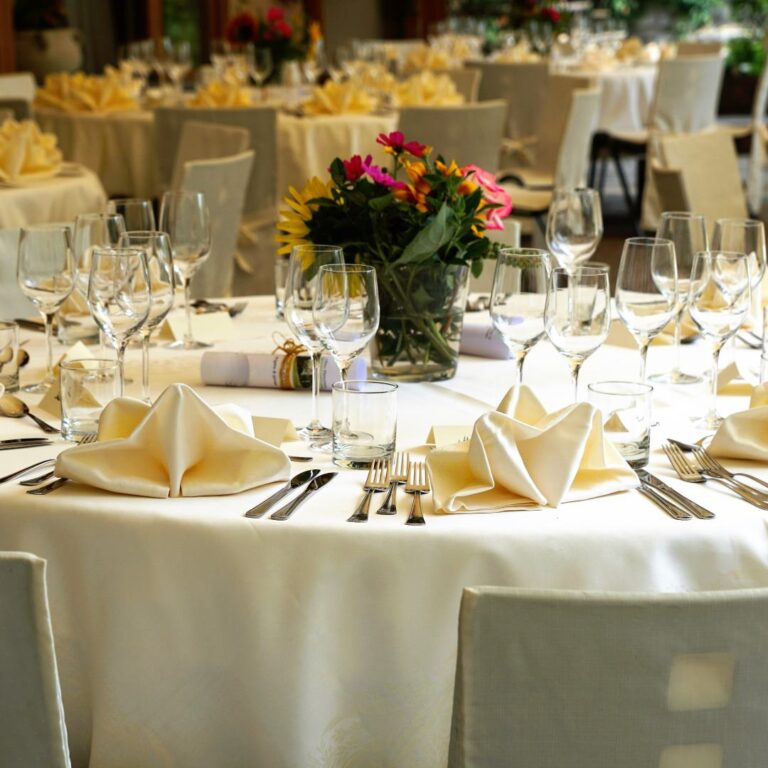
Setting the table is a small part of any meal, but it can make a noticeable difference. In Germany, a well-set table is often associated with being prepared for guests, taking time for a meal, and creating a pleasant setting for conversation. There is no single official way to set a German table. A formal…
What Is Citric Acid? Citric acid is a naturally occurring organic acid best known for the sharp, sour taste it gives citrus fruits. In Germany, it is commonly called Zitronensaeure. While lemons and other citrus fruits contain citric acid naturally, the white crystalline powder sold for household and food use is usually produced commercially. Citric…
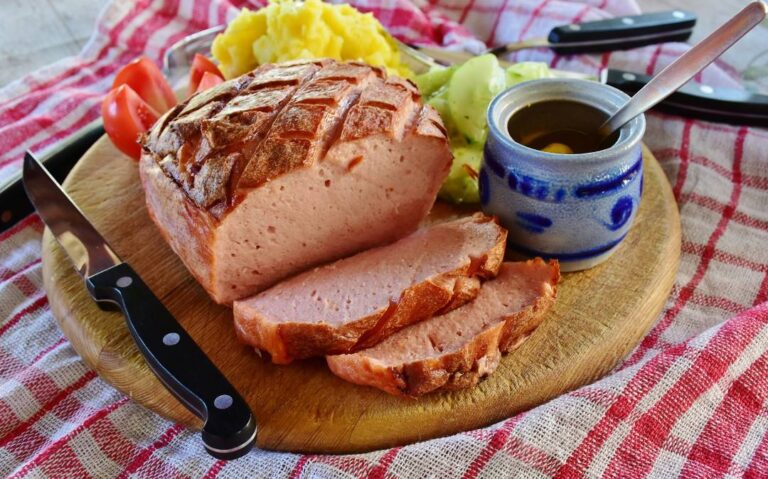
Leberkase with a fried egg is one of those simple German meals that does not need much explanation once you have tasted it. A thick slice of warm Leberkase, a fried egg with a soft yolk, and a little sweet mustard make a wonderfully satisfying combination. Leberkase is particularly associated with Bavaria and southern Germany,…
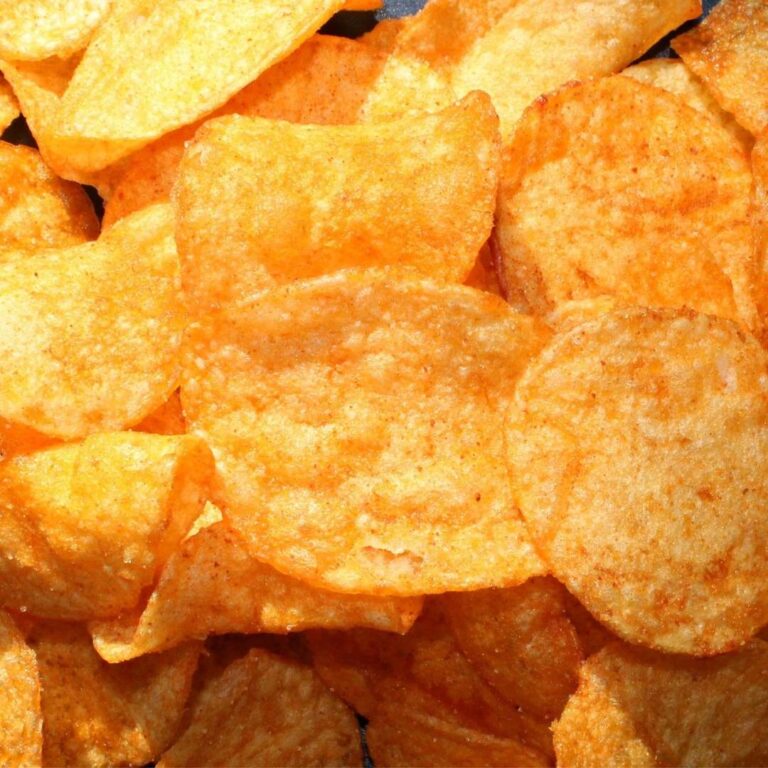
Potato chips are a favorite snack in many countries, but German potato chips have developed a particularly strong following among people who enjoy crisp textures and bold seasoning. From classic paprika to simple salted varieties and thicker kettle-style chips, German snack brands offer a surprisingly wide range of flavors and textures. So what makes them…
What Does Pumpernickel Taste Like? Exploring Germany’s Unique Bread If you have never tried German pumpernickel, its appearance may be the first thing you notice. The bread is very dark, compact, and usually sold in thin, ready-to-eat slices. But its real character becomes clear when you taste it. So what does pumpernickel taste like? Traditional…
When people think about German food, sausages, sauerkraut, potatoes, pretzels, and hearty meat dishes often come to mind first. Those foods certainly belong to German culinary culture, but they tell only part of the story. What makes German food culture interesting is the combination of regional traditions, bread culture, everyday meals, seasonal foods, and recipes…