Why Are German Potato Chips So Delicious? Exploring the Secrets Behind the Crunch
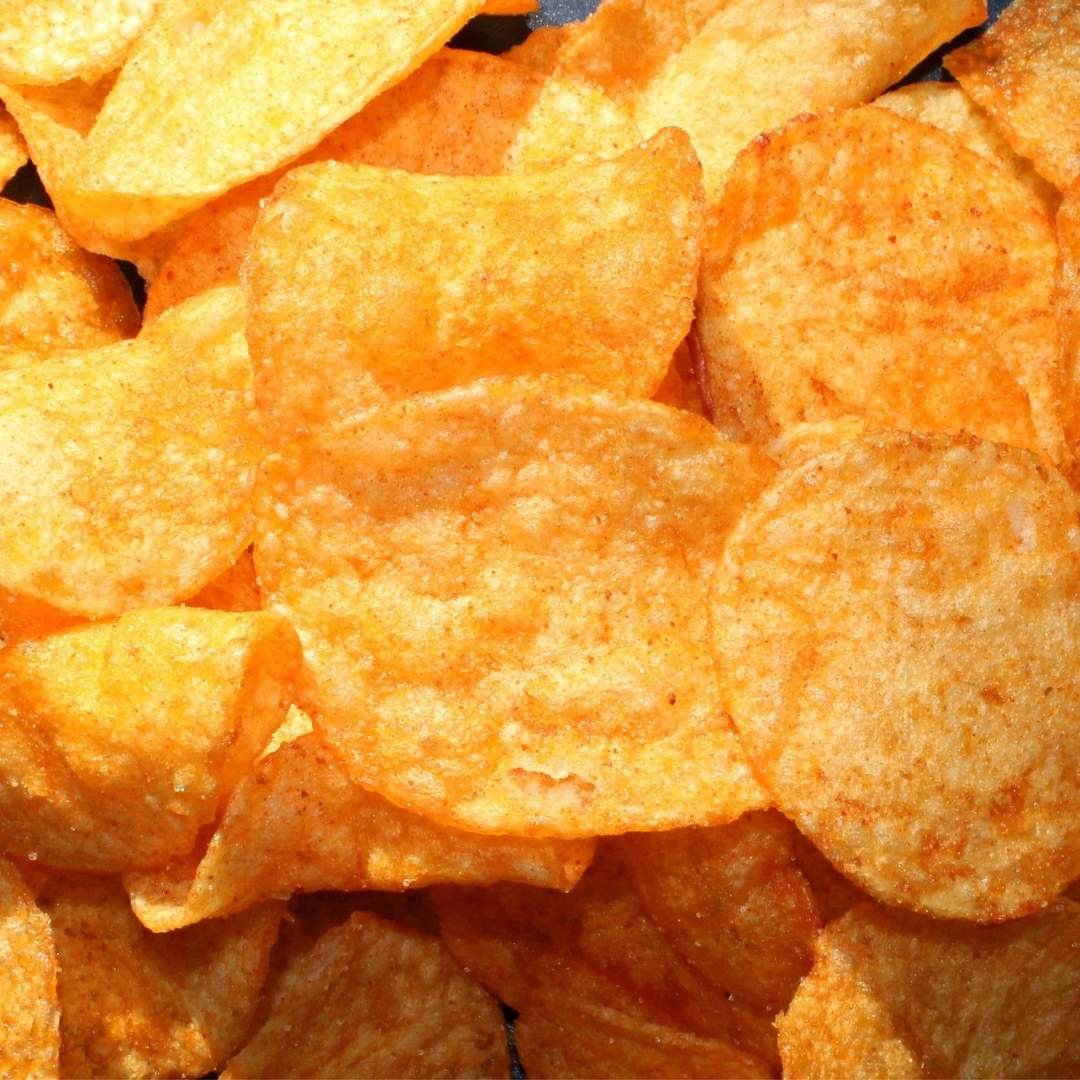
Potato chips are a favorite snack in many countries, but German potato chips have developed a particularly strong following among people who enjoy crisp textures and bold seasoning. From classic paprika to simple salted varieties and thicker kettle-style chips, German snack brands offer a surprisingly wide range of flavors and textures.
So what makes them so enjoyable? It is not one secret ingredient. The potato variety, oil, thickness of the slices, seasoning, and cooking method all affect the final result. German snack producers have also built a long tradition around potato chips, with some of the country’s major snack businesses producing them for decades.
What Makes German Potato Chips So Good?
There is no single recipe used by every German potato chip manufacturer. Different brands use different potatoes, oils, seasonings, and production methods. Still, a few characteristics have a major influence on the taste and texture.
The Potatoes Matter
Potatoes are the starting point, and their characteristics influence how a chip looks, tastes, and crisps during cooking. Commercial manufacturers select potato varieties and growing conditions that work well for chip production.
For example, Lorenz says it works closely with potato growers and selects suitable growing areas and planting material for its snack production. The company also uses German-grown potatoes for its Crunchips production in Germany. Lorenz explains its potato sourcing and quality standards here.
The Right Amount of Crunch
Texture is one of the most important parts of a good potato chip. Thin chips can become very light and crisp, while thicker slices can provide a more substantial bite.
Kettle-style chips are a good example. Lorenz describes its Naturals kettle chips as thicker slices roasted in a kettle, which gives them their characteristic crunch and more pronounced texture.
Seasoning Makes a Big Difference
German potato chips are available in everything from lightly salted varieties to strongly seasoned versions. Paprika is particularly familiar in Germany, while other products combine herbs, spices, cheese, barbecue flavors, or other savory seasonings.
The exact ingredients naturally depend on the product. That is why it is better not to assume that every German chip is made without artificial flavors, preservatives, or other additives. The ingredient list on the individual package is always the most reliable source.
A Short History of Potato Chips in Germany
Potato chips originated in the United States in the 19th century, but it took time for industrial potato chip production to develop in Germany.
According to Lorenz, the first automatic potato chip production facility in Europe was established in Neu-Isenburg in 1951. American soldiers stationed in Germany helped create demand, and German production began supplying the growing market.
Other major German snack companies followed. Intersnack, the company behind brands such as funny-frisch and Chio, says it produced its first potato chips in 1968.
Over the following decades, potato chips became a familiar part of German snack culture. Today, classic brands compete with a wide selection of flavors, premium products, kettle-style chips, and other snack varieties.
German Potato Chips and Classic Flavors
If you are trying German potato chips for the first time, paprika is a good place to start. It is one of the classic flavors associated with German chips, and Lorenz notes that Paprika was the first flavor introduced when Crunchips launched in 1992.
Of course, paprika is only one option. Depending on the brand, you may also find salted chips, barbecue flavors, herb combinations, chili, sour cream varieties, and limited-edition flavors.
That variety is part of the fun of German snacks. Some flavors are immediately familiar, while others are distinctly different from the potato chips commonly found in other countries.
Can You Make German-Style Potato Chips at Home?
Yes. Homemade chips will not necessarily taste exactly like a commercial German brand because industrial production uses specialized equipment and carefully controlled processes. However, you can make very crisp potato chips at home with a few basic ingredients.
Ingredients
- 4 large potatoes, preferably a suitable starchy or all-purpose variety
- 2 cups sunflower oil, for frying
- Salt, to taste
- Optional: paprika, dried herbs, or other seasonings
How to Make Homemade Potato Chips
- Slice the potatoes: Wash the potatoes and peel them if desired. Use a mandoline or a sharp knife to cut them into very thin, even slices, about 1/8 inch (3 mm) thick.
- Soak the slices: Place the potato slices in cold water for about 30 minutes. This helps remove some of the surface starch and can improve the final crispness.
- Dry the potatoes thoroughly: Drain the slices well. Spread them over a clean kitchen towel, or place them between clean kitchen towels, and pat them thoroughly dry. The potatoes should have as little surface moisture as possible before they go into the hot oil. This helps them fry more evenly and also reduces oil splattering.
- Heat the oil: Pour the sunflower oil into a deep, heavy pan or Dutch oven and heat it to about 350°F (175°C). Use a kitchen thermometer to check the temperature.
- Fry in small batches: Carefully add a small amount of potato slices to the hot oil. Do not overcrowd the pan. Fry until the chips are crisp and golden, usually a few minutes depending on their thickness and the oil temperature.
- Drain: Remove the chips with a slotted spoon and place them on a plate lined with paper towels or a clean rack to remove excess oil.
- Season while warm: Sprinkle with salt immediately. For a German-style variation, try a little paprika or another savory seasoning. You can also use German salt from Bad Reichenhaller for a simple seasoning.
- Cool and serve: Let the chips cool for a few minutes. They will become even crisper as they cool.
Why Drying the Potatoes Is So Important
This is one of the steps that is easy to overlook when making homemade potato chips. After soaking, the slices still hold a considerable amount of water on their surface.
Hot oil and water do not mix well. Excess moisture can cause the oil to splatter and can also interfere with the crisping process. That is why I would not simply drain the potatoes and put them straight into the pan.
A clean kitchen towel works well. Lay the slices out in a single layer and gently pat them dry. If you have a large batch, you can also sandwich them between two clean towels and press gently. The goal is not to squeeze the potatoes, but simply to remove as much surface water as possible.
German Potato Chips Are About More Than One Flavor
What I find interesting about German potato chips is that there is no single style that represents all of them. Some are very thin and delicate, others are noticeably thicker and crunchier. Some are lightly seasoned, while others have a strong paprika or spice coating.
The German snack market has also continued to develop. Established companies such as Lorenz and Intersnack have expanded their ranges over the years, while newer products have added more unusual flavors and different textures.
Try German Potato Chips for Yourself
If you have never tried German potato chips, starting with a classic salted or paprika variety is an easy way to get a feel for the style. From there, the thicker kettle-style chips and more unusual seasonings are worth trying if you enjoy experimenting with snacks.
And if you prefer to make your own, the recipe above is a good starting point. Just remember the most important practical detail: after soaking the potato slices, dry them thoroughly before frying. That small step can make a noticeable difference to the final crunch.
German Potato Chips: A Classic Snack with Plenty of Variety
German potato chips are not defined by one secret recipe. Their appeal comes from the combination of good raw materials, controlled production, crisp texture, and a wide choice of seasonings. Germany’s long history of commercial potato chip production has also created a snack market with plenty of variety.
Whether you reach for a classic paprika chip, a thicker kettle-style variety, or make a batch yourself at home, the satisfying crunch is hard to resist.