Cologne Cathedral: A Gothic Marvel in North Rhine-Westphalia
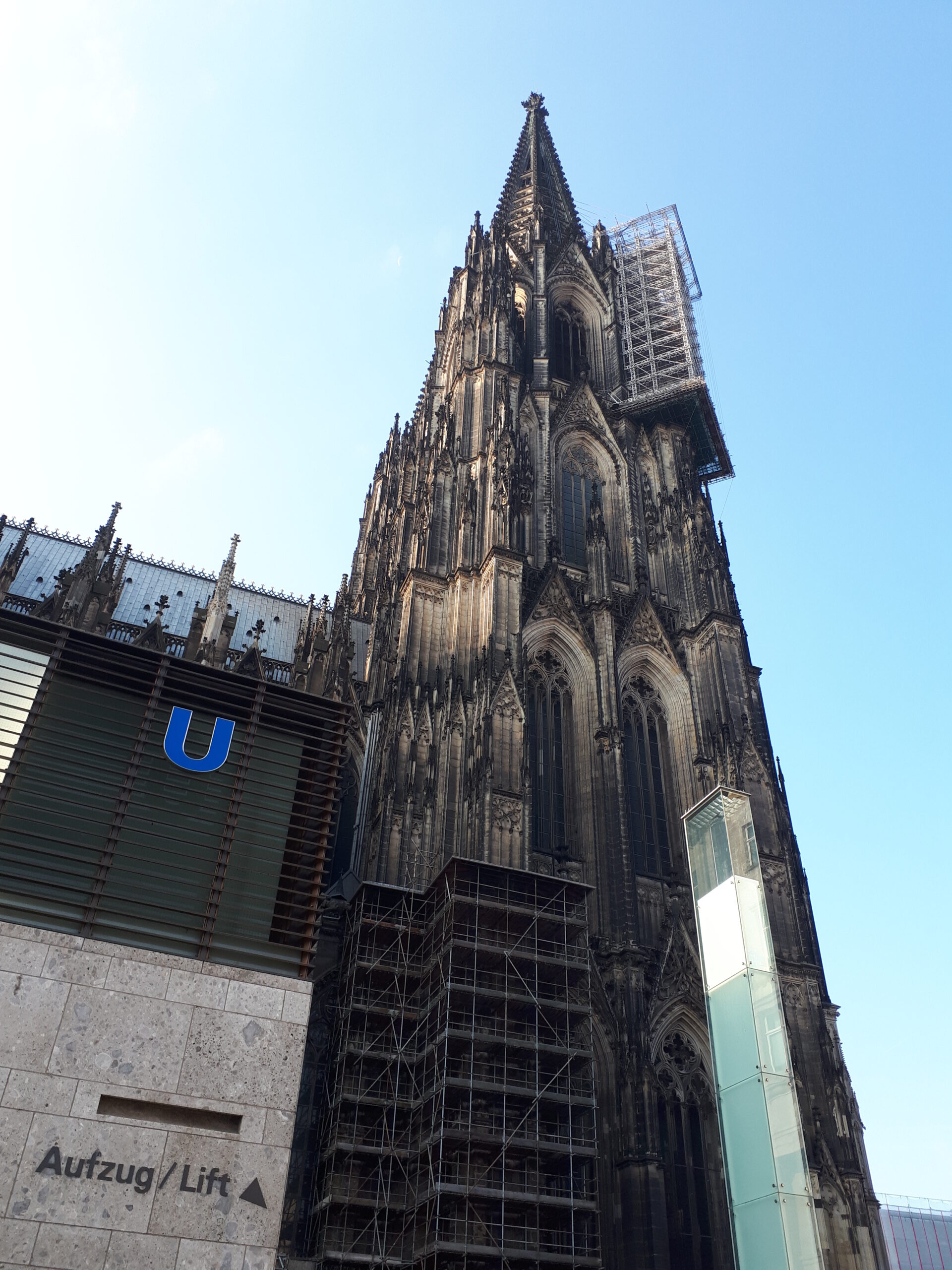
Cologne Cathedral, officially known as Kölner Dom or Hohe Domkirche Sankt Petrus, is one of the most recognizable landmarks in Germany. Its enormous Gothic towers dominate the skyline of Cologne, while the cathedral itself reflects more than seven centuries of history.
The History of Cologne Cathedral
The history of the cathedral site goes back much further than the present building. Several Christian churches stood here before construction of today’s cathedral began in 1248.
The medieval cathedral was planned as a magnificent Gothic church and as a worthy home for the Shrine of the Three Kings. The relics associated with the biblical Magi had arrived in Cologne in the 12th century and became an important part of the city’s religious identity.
Construction progressed for many years, but the work eventually came to a halt. By the 16th century, the cathedral was still unfinished. The medieval building remained incomplete for several centuries while the city continued to grow around it.
Completion in the 19th Century
The cathedral’s construction resumed in the 19th century. The original medieval plans were rediscovered, and builders used them as the basis for completing the enormous Gothic structure.
Cologne Cathedral was finally completed in 1880, more than 600 years after construction had begun. At the time of its completion, the cathedral was the tallest building in the world.
The completed towers gave Cologne a new and unmistakable landmark. The cathedral quickly became one of the defining symbols of the city.
The Gothic Architecture of the Cathedral
The scale of Cologne Cathedral is one of the first things visitors notice. Its two towers rise approximately 157 meters above the city, creating a silhouette that can be seen from far away.
The architecture follows the Gothic tradition, with pointed arches, elaborate stonework, large windows, and strong vertical lines. The enormous facade is covered with architectural details that can be difficult to appreciate from a distance.
Looking closely at the building reveals countless sculptures, ornaments, pinnacles, and carved elements. The cathedral was designed to draw the eye upward, creating the characteristic feeling of height associated with Gothic architecture.
The Shrine of the Three Kings
One of the cathedral’s most important treasures is the Shrine of the Three Kings. The richly decorated reliquary is traditionally associated with the relics of the Three Kings, or Magi, and has been an important object of pilgrimage for centuries.
The shrine also helps explain why such a monumental cathedral was built in Cologne. The presence of the relics gave the city an important place in medieval European Christianity and contributed to the cathedral’s significance.
Cologne Cathedral and the City
The cathedral is closely connected with Cologne itself. Its position beside the Rhine and near the city’s central railway station makes it one of the first major landmarks many visitors see when arriving in Cologne.
It is difficult to separate the cathedral from the image of the city. Photographs of Cologne often include the two towers rising above the Rhine, while the cathedral square remains one of the most recognizable urban spaces in Germany.
For me, one of the most interesting things about the Kölner Dom is this connection between an enormous historic building and everyday city life. The cathedral is not isolated from Cologne. It stands right in the middle of it.
Cologne Cathedral During the Second World War
The cathedral also survived one of the most difficult periods in the city’s modern history. During the Second World War, Cologne was heavily damaged by Allied bombing raids.
The cathedral itself was struck by bombs several times. Although the building suffered damage, its basic structure survived the war. The cathedral therefore remained standing while much of the surrounding city had to be rebuilt.
This history adds another layer to the meaning of the building. The cathedral is not only a medieval monument. It is also a visible reminder of the destruction and reconstruction that shaped modern Cologne.
A UNESCO World Heritage Site
Cologne Cathedral was added to the UNESCO World Heritage List in 1996. UNESCO recognizes the cathedral for its outstanding Gothic architecture as well as its historical and cultural importance.
The cathedral’s combination of architecture, religious history, art, and its role in the development of Cologne makes it an important part of Germany’s cultural heritage.
Inside Cologne Cathedral
The interior is just as impressive as the exterior. Tall columns lead the eye toward the vaulted ceiling, while stained-glass windows bring color into the vast interior space.
Visitors can also see numerous chapels, artworks, tombs, and other historic elements. The Shrine of the Three Kings is among the most important objects inside the cathedral.
The enormous scale can be difficult to appreciate from photographs alone. Standing inside the nave gives a much better impression of the height and complexity of the medieval design.
The Cathedral Towers
The cathedral’s towers are another important part of the building’s appeal. The south tower can be climbed, offering a different perspective over Cologne and the Rhine.
Reaching the tower involves climbing a large number of steps, so the experience is quite different from simply viewing the cathedral from the square below. The tower also provides an opportunity to see parts of the cathedral’s architecture from close range.
Cologne, Eau de Cologne, and 4711
Cologne is also the city that gave Eau de Cologne its name. One of the best-known fragrances associated with the city is 4711 Original Eau de Cologne, whose history is closely connected with Glockengasse in the heart of Cologne.
The famous 4711 name dates back to the historic house number 4711. The fragrance became one of the best-known examples of Echt Kölnisch Wasser and helped make Cologne internationally associated with the tradition of Eau de Cologne.
That connection is still part of the character of Cologne. The famous 4711 address in Glockengasse is not far from the cathedral, so two very different symbols of the city can be found within the same historic center: the enormous Gothic cathedral and the fragrance tradition represented by 4711.
The 4711 tradition also lives on in personal care products. At GermanBuy, you can find 4711 Original Eau de Cologne Cream Soap and 4711 Original Eau de Cologne Shower Gel, both carrying the familiar fragrance character associated with the Cologne classic.
For visitors interested in German brands and everyday culture, this is another interesting side of Cologne. The city is not only home to one of Germany’s most famous cathedrals. It is also closely connected with a fragrance tradition that became known around the world.
Exploring Cologne
The cathedral is an excellent starting point for exploring Cologne. From here, visitors can walk through the historic center, reach the Rhine, and discover other parts of the city.
The connection between the cathedral and 4711 is especially interesting because both represent very different sides of Cologne. The cathedral reflects the city’s religious and architectural history, while 4711 represents its long tradition of fragrance and commerce.
For anyone interested in German cities, architecture, brands, and everyday life in Germany, Cologne offers plenty to explore beyond its most famous landmark.
Cologne Cathedral and the City
Few buildings are as closely associated with their city as the Kölner Dom. Its towers have shaped the skyline of Cologne for generations and have become an instantly recognizable image of Germany.
But the cathedral is only one part of what makes Cologne distinctive. The Rhine, the historic center, and the city’s long commercial and cultural traditions have all shaped its identity. The famous 4711 fragrance is another example of a product whose name remains closely connected with the city where its story began.
Whether you come to Cologne for its cathedral, its historic streets, the Rhine, or its famous fragrance traditions, the city offers many different ways to experience German history and everyday culture.
Cologne Cathedral is one of Germany’s most important Gothic landmarks and a defining part of the Cologne skyline. Cologne is also closely associated with 4711 and the long tradition of Eau de Cologne.
Sources & References
Official information about Cologne Cathedral and its history: Cologne Cathedral – Official Website
Information about the cathedral as a UNESCO World Heritage Site: UNESCO – Cologne Cathedral