Pfingsten 2025 in Germany: Traditions, Customs & Recipe
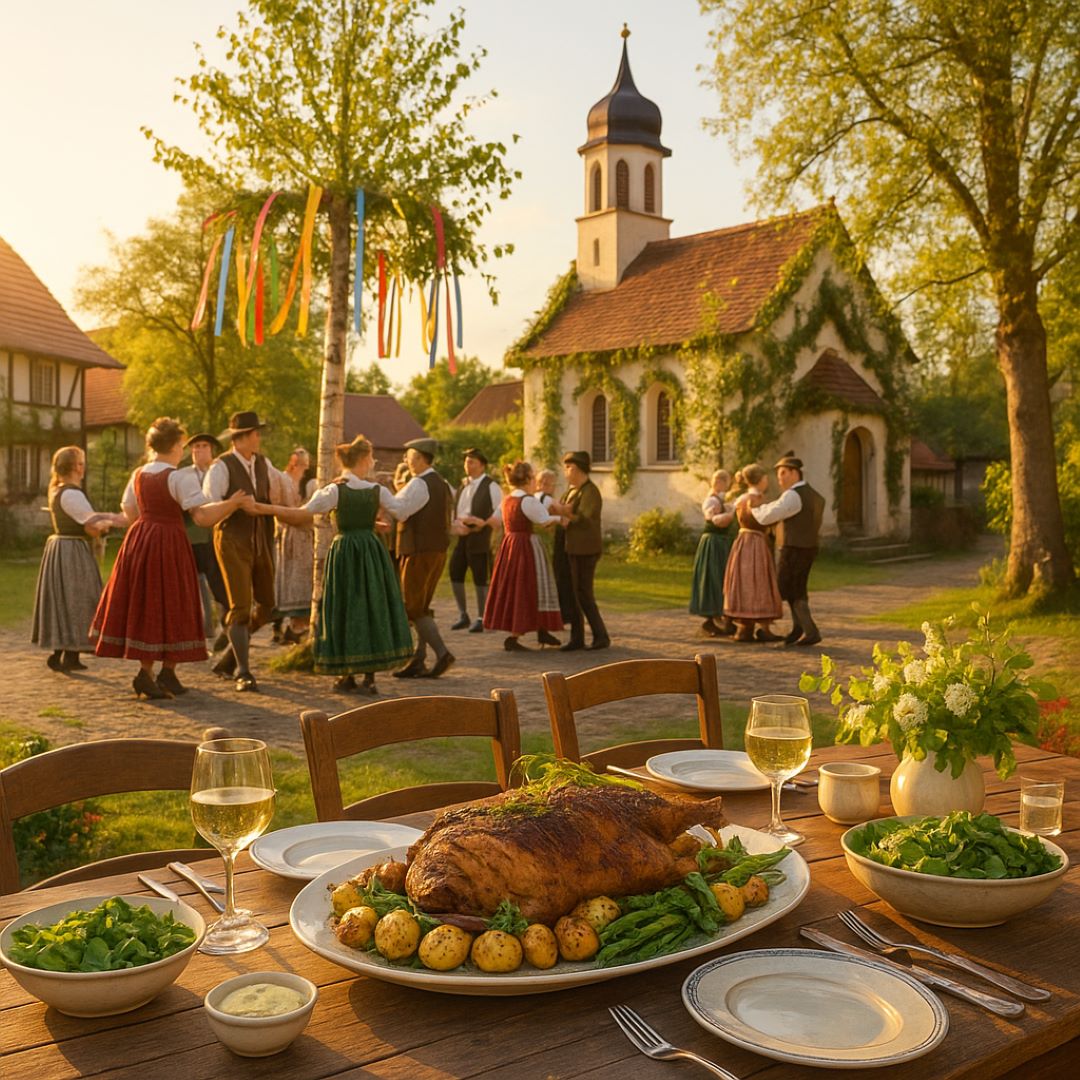
Every spring, Germany prepares for Pfingsten, the German name for Pentecost. The holiday brings together Christian traditions, regional customs, springtime celebrations, and time with family and friends. For anyone interested in German culture, Pfingsten offers an especially interesting look at how religious traditions and local customs have developed alongside one another.

What Is Pfingsten?
Pfingsten, or Pentecost in English, is celebrated 50 days after Easter. The German name comes from the Greek word pentēkostē, meaning “fiftieth.” In Christian tradition, Pentecost commemorates the descent of the Holy Spirit upon the disciples of Jesus, as described in the second chapter of the Acts of the Apostles.
Pfingsten is one of the three major Christian festivals in Germany, together with Christmas and Easter. The holiday is associated with the beginning or “birthday” of the Christian Church because the biblical Pentecost account describes the disciples receiving the Holy Spirit and beginning to proclaim their faith publicly.
In German churches, Pentecost is traditionally associated with the color red, representing the fire of the Holy Spirit. The dove, fire, wind, greenery, and flowers are also familiar symbols and elements of Pentecost traditions.
Historical Origins: From Shavuot to the Christian Pentecost
The Christian celebration of Pentecost is connected in its timing and historical background with the Jewish festival of Shavuot, or the Feast of Weeks. Shavuot takes place seven weeks after Passover and has its own religious significance within Judaism.
The Christian Pentecost story is told in the Acts of the Apostles. According to the biblical account, the disciples were gathered in Jerusalem when they experienced the coming of the Holy Spirit, described through powerful wind and tongues of fire. The disciples then began speaking in other languages, allowing people from different backgrounds to hear the message in their own languages.
According to the Evangelical Church in Germany, Pentecost was already observed in the second century and had developed into an independent Christian feast by the fourth century. It became the festival of the Holy Spirit and eventually marked the conclusion of the 50-day Easter season.
Pentecost in German Culture Today
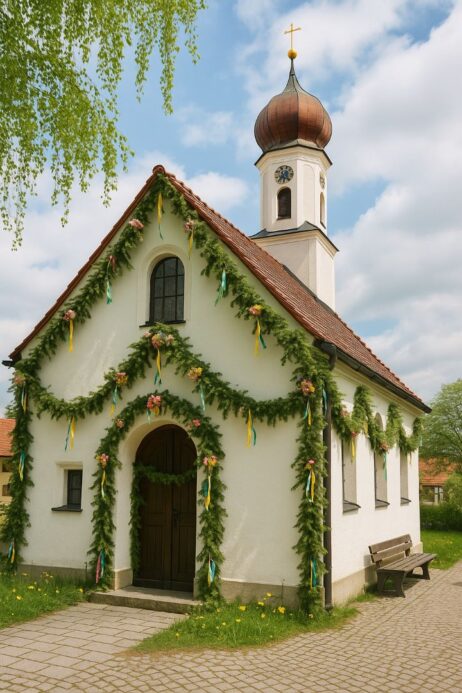
In Germany, Pfingsten combines its religious meaning with a wide range of regional customs. The holiday comes at a time when gardens, forests, fields, and villages are full of fresh spring greenery. Flowers and green branches are therefore common decorations in churches and homes.
For many people, Pfingsten is also associated with spending time outdoors. Churches may hold services outside, while local communities organize gatherings, fairs, music, processions, or other seasonal events. The exact customs vary considerably from one region to another, which is one of the most interesting aspects of Pfingsten in Germany.
When Is Pentecost 2025 in Germany?
In 2025, Easter Sunday fell on April 20. Fifty days later, Pentecost Sunday was celebrated on June 8, 2025. The following day, Monday, June 9, 2025, was Pfingstmontag, or Pentecost Monday.
Pfingstmontag is a statutory public holiday in all 16 German federal states. Together with the Pentecost Sunday celebration, this gives many people in Germany a traditional long holiday weekend in late spring.
Regional Pentecost Customs in Germany
German Pfingstbräuche, or Pentecost customs, differ from region to region. Some are still actively practiced, while others survive mainly as local cultural traditions or are associated with particular villages and communities.
- Pfingstbaum: In parts of Germany, young birch trees or branches are used as Pentecost decorations. Fresh greenery reflects the strong connection between Pfingsten, spring, new growth, and renewal.
- Pfingstfeuer: Pentecost fires are another regional tradition. They are particularly associated with some rural communities and can form part of local celebrations around Pentecost.
- Greenery and flowers: Fresh branches, flowers, and other greenery are traditional Pentecost decorations. The practice fits naturally with the symbolism of new life and renewal associated with the season.
- Regional village customs: In different parts of Germany, local Pentecost celebrations may include processions, fairs, music, dances, community gatherings, and other customs that have been passed down locally.
There is no single “typical” German Pfingsten tradition that applies everywhere. That regional variety is an important part of German cultural heritage. The EKD also notes that processions, field walks, greenery, flowers, outdoor services, and Pentecost fires occur in different parts of Germany.
Common Pentecost Traditions Across Germany
- Greenery and Garlands: Fresh branches and flowers may be used to decorate churches, homes, public spaces, and village gathering places. Greenery is particularly appropriate for a spring festival associated with renewal and new life.
- Outdoor Church Services: Some German congregations hold Pentecost services outdoors, especially when the weather is suitable. These services connect the religious celebration with the spring landscape.
- Processions and Community Gatherings: In some regions, traditional processions and other communal activities remain part of Pentecost celebrations. Their form varies considerably depending on local customs.
- Music and Local Festivities: Brass bands, choirs, folk music, village fairs, and other community events can accompany Pentecost celebrations in different parts of Germany.
- Regional Food and Family Meals: Like many German holidays, Pfingsten can also be an occasion for families and friends to share a meal, often making use of seasonal spring ingredients.
Pfingsten and the German Long Weekend
One reason Pfingsten remains noticeable in everyday German life is the combination of its religious importance and the public holiday on Pfingstmontag. For many people, the Pentecost weekend is an opportunity to spend time with family, meet friends, take a day trip, attend a local event, or simply enjoy the beginning of summer.
The character of the weekend depends heavily on where you are in Germany. A church service, village festival, outdoor gathering, local market, or traditional event may all form part of the Pentecost experience. In that sense, Pfingsten is not defined by one national custom but by many local traditions.
A German Family Recipe for Pfingsten 2025
Food naturally has a place in a long spring weekend. For Pfingsten 2025, I chose a menu built around lamb, new potatoes, asparagus, and fresh herbs. It is a straightforward family-style meal that makes good use of seasonal ingredients.
Herb-Roasted Lamb with New Potatoes and Asparagus Salad
This recipe serves approximately 6–8 people and combines a roasted leg of lamb with buttery potatoes and a fresh asparagus salad.
Ingredients
- Leg of lamb: 1 kg (about 2.2 lb)
- Fresh rosemary sprigs: 4
- Garlic cloves: 4, minced
- Olive oil: 45 ml (3 tbsp)
- Sea salt: 10 g (2 tsp)
- Freshly ground black pepper: 2 g (1 tsp)
- Baby new potatoes: 500 g (about 1.1 lb), halved
- Asparagus: 400 g (14 oz), trimmed
- Lemon juice: 30 ml (2 tbsp)
- Fresh parsley: 8 g (2 tbsp), chopped
- Butter: 28 g (2 tbsp)
- Mixed salad greens: 200 g (7 oz)
Directions
- Marinate the lamb: Mix the garlic, chopped rosemary, olive oil, salt, and pepper into a paste. Rub the mixture over the lamb. Cover and refrigerate for at least 2 hours or overnight.
- Roast the lamb: Preheat the oven to 200 °C (400 °F). Place the lamb on a rack and roast for about 25 minutes. Reduce the temperature to 180 °C (350 °F) and continue cooking. Cooking time will depend on the size and shape of the leg and the desired doneness, so use an instant-read thermometer rather than relying on time alone. Let the lamb rest for about 15 minutes before slicing.
- Cook the potatoes: Steam the halved potatoes for approximately 12–15 minutes, or until tender. Toss with melted butter, parsley, salt, and pepper.
- Prepare the asparagus salad: Blanch the asparagus in boiling water for about 3 minutes. Transfer to ice water, then drain well. Whisk the lemon juice with 15 ml (1 tbsp) olive oil, salt, and pepper. Gently toss the asparagus and mixed greens with the dressing.
- Serve: Slice the rested lamb and serve with the potatoes and asparagus salad. A German Riesling or Pilsner can accompany the meal for adults who choose to drink.
Why Pfingsten Remains Part of German Culture
What I find interesting about Pfingsten is the way several layers of German life come together during this weekend. There is the Christian meaning of Pentecost, the symbolism of the Holy Spirit, and the connection with the Easter season. At the same time, there are regional customs involving greenery, flowers, music, community gatherings, and seasonal food.
For someone looking at Germany from the outside, Pfingsten can therefore be more than just another date on the calendar. It offers a glimpse into the way religious traditions, regional customs, springtime, and family life can still overlap in everyday German culture.
In 2025, Pfingsten fell on June 8 and Pfingstmontag on June 9. For many people, it was another opportunity to enjoy the long spring weekend while taking part in traditions that have developed over generations.
Frequently Asked Questions
When was Pfingsten 2025 in Germany?
Pfingsten 2025 was celebrated on Sunday, June 8, with Pfingstmontag on Monday, June 9, 2025.
What does Pfingsten mean?
Pfingsten is the German name for Pentecost. The name is derived from the Greek pentēkostē, meaning “fiftieth,” referring to the timing of the festival 50 days after Easter.
Why is Pfingsten celebrated?
Christians celebrate Pentecost as the feast of the Holy Spirit. According to the biblical account in Acts 2, the Holy Spirit came upon the disciples, who then began proclaiming their faith in different languages. Pfingsten is therefore also traditionally described as the “birthday” or beginning of the Christian Church.
What happens during Pfingsten in Germany?
The religious celebration includes church services, while regional customs may include processions, outdoor services, Pentecost fires, greenery, flowers, music, fairs, and community gatherings. Customs vary from region to region.
What is Pfingsten called in English?
Pfingsten is called Pentecost in English.
What is Pfingstmontag in Germany?
Pfingstmontag is Pentecost Monday. It follows Pentecost Sunday and is a statutory public holiday in all 16 German federal states.
What is Pfingstfest?
Pfingstfest is another German term for the Pentecost festival. Depending on the context, it can refer to the religious celebration or to a local community event held around Pentecost.
Sources & Further Reading:
Evangelical Church in Germany (EKD): Pentecost – Basic Facts About the Faith
Katholisch.de: Pentecost – The Dove and the Birthday of the Church