Cooking Tips for Using Whole Dry Bay Leaves
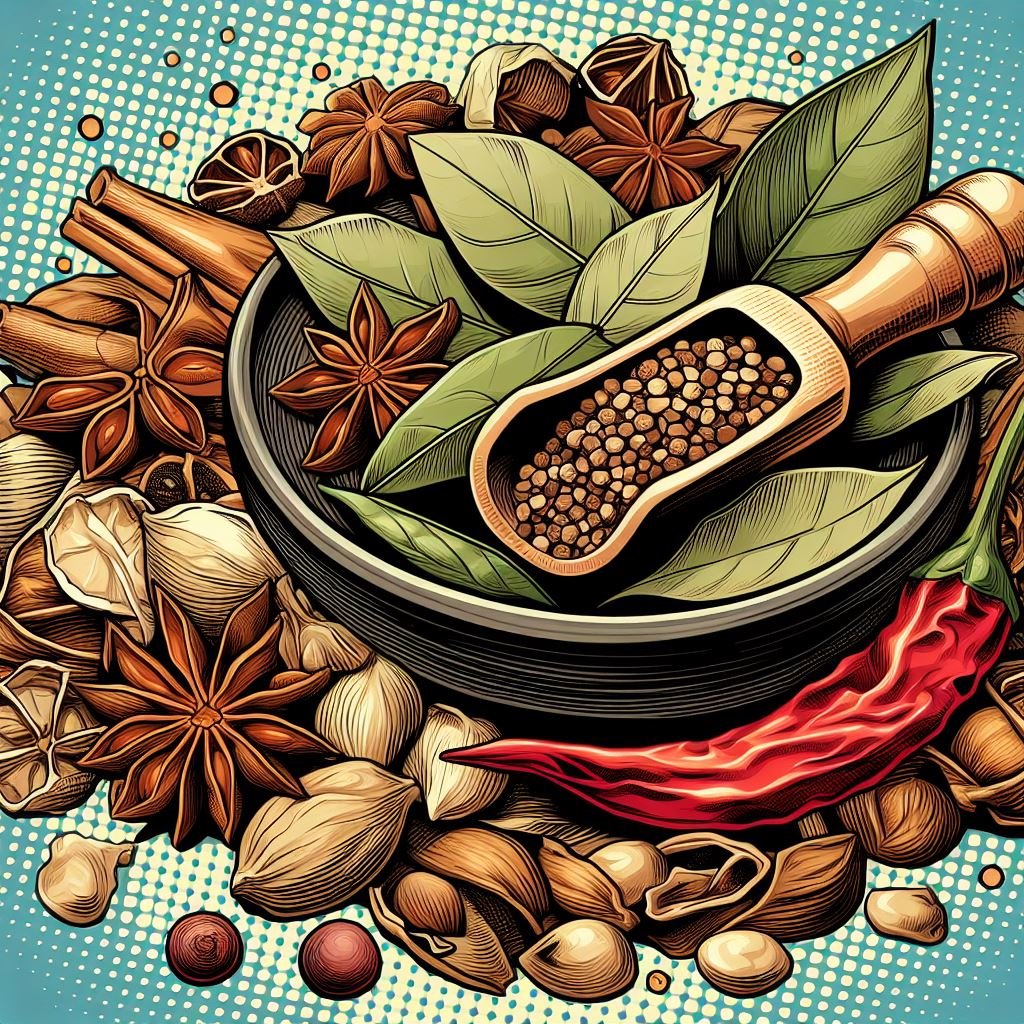
Whole dried bay leaves are one of those quiet ingredients that can make a noticeable difference in the kitchen. They are commonly added to soups, stews, sauces, braised dishes, and other recipes that benefit from slow cooking. The flavor is subtle, aromatic, and difficult to replace once you know what it adds.
What Do Bay Leaves Actually Add to a Dish?
Bay leaves do not usually dominate a dish. Instead, they contribute a gentle herbal aroma with a slightly earthy, spicy character. Their flavor develops gradually during cooking, which is why they are particularly useful in recipes that simmer for some time.
The important point is that a bay leaf is normally used to infuse a dish rather than to become part of the finished food. You add the whole leaf during cooking and remove it before serving.
How to Use Whole Dried Bay Leaves
Whole dried bay leaves are easy to use. Add them directly to the pot while the dish is cooking. They work especially well in:
- soups and broths
- stews and hearty one-pot dishes
- tomato-based sauces
- braised meat and vegetable dishes
- beans and lentils
- potato dishes
Because dried bay leaves release their aroma gradually, they are a natural fit for recipes that spend time on the stove or in the oven.
Why Dried Bay Leaves Work So Well in Slow Cooking
Unlike delicate fresh herbs that are often added toward the end of cooking, dried bay leaves can remain in the pot for much longer. Their aroma slowly becomes part of the overall flavor of the dish.
This makes them particularly useful when you are preparing a soup, stew, sauce, or braised dish several hours ahead. The bay leaf does its job quietly in the background while the other ingredients develop their flavors.
How Many Bay Leaves Should You Use?
There is no single amount that works for every recipe. As a practical starting point, one or two whole dried bay leaves are often enough for a medium-sized pot of soup, stew, or sauce.
The size of the leaves and the amount of food matter, so it is better to think of bay leaves as a supporting ingredient rather than something that should dominate the recipe. If you are cooking a large pot, you can adjust the amount accordingly.
When Should You Add Bay Leaves?
For soups, stews, sauces, and similar dishes, you can add the bay leaves early in the cooking process. This gives them enough time to release their aroma.
If a recipe includes several stages of cooking, simply add the leaves when the liquid or sauce begins to simmer. They can then remain in the dish until the cooking is finished.
Do You Eat the Bay Leaves?
No. Whole dried bay leaves are normally removed before serving. They remain relatively stiff even after prolonged cooking and can be unpleasant to chew.
For that reason, I recommend counting the leaves when you add them to the pot. That makes it easy to remove them later, especially when you are cooking a dish with many ingredients.
How to Store Dried Bay Leaves
Dried bay leaves should be stored in a cool, dry place away from direct sunlight and moisture. An airtight container or a well-sealed spice jar helps protect their aroma.
Like other dried herbs and spices, bay leaves gradually lose their fragrance over time. If the leaves have very little aroma when you crush a small piece between your fingers, they may no longer contribute much flavor to a dish.
Whole Bay Leaves or Ground Bay Leaf?
Whole dried leaves are particularly convenient when you want to add their aroma and remove them easily before serving. Ground bay leaf is a different option because it remains in the finished dish.
For soups, sauces, and stews, whole leaves are often the simpler choice. You can add them during cooking and remove them when the dish is ready.
Bay Leaves in German Cooking
Bay leaves are also familiar in traditional German cooking. They are commonly associated with hearty soups, stews, braised dishes, sauces, and other recipes where a subtle herbal note works well alongside meat, vegetables, potatoes, or legumes.
That makes bay leaves a useful example of how a very small amount of an ingredient can contribute to the character of a traditional dish without becoming its main flavor.
If you would like to read more about using bay leaves in cooking, the article on cooking tips for using bay leaves offers additional information and practical ideas.
A Simple Herb With a Big Role in the Pot
Whole dried bay leaves are easy to overlook when you are planning a recipe, but they have a useful role in many traditional dishes. Add a leaf or two to a simmering soup, stew, sauce, or braise, give it time to release its aroma, and remember to remove the leaves before serving.
For German cooking and everyday recipes, a small supply of good-quality dried bay leaves is one of those simple pantry staples that can come in handy again and again.
If you are looking for whole dried bay leaves from Germany, you can find Ostmann Intensely Flavorful Bay Leaves in the GermanBuy store.