Oktoberfest in Germany: 8 Fun and Surprising Facts

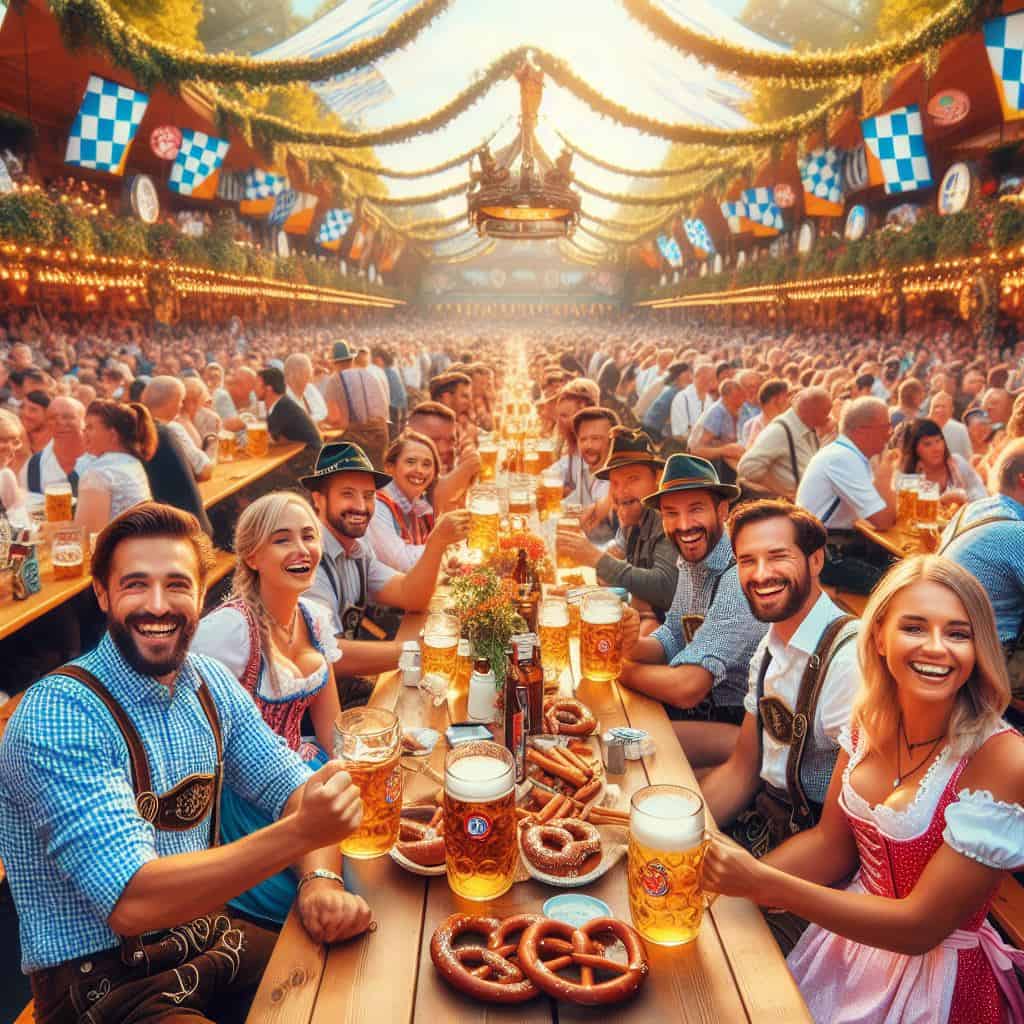
Oktoberfest is one of the best-known German festivals in the world. Every year, millions of people come to Munich for beer, traditional food, live music, carnival rides, and the unmistakable atmosphere of the festival tents. But there is much more to Oktoberfest than large beer mugs and traditional clothing.
1. Oktoberfest Starts in September, Not October
The name may suggest that Oktoberfest takes place mainly in October, but the festival actually begins in September. The reason goes back to the weather. The original Oktoberfest in 1810 was held in October, but the festival was gradually moved earlier in the year so that visitors could enjoy more pleasant weather and longer days.
Today, Oktoberfest usually begins in the second half of September and continues into the first days of October. In 2026, for example, the festival is scheduled to run from September 19 through October 4.
So although the name has remained the same, much of the festival actually takes place before October arrives.
2. Oktoberfest Beer Comes from Munich
Not every beer can be served as Oktoberfest beer at the Munich festival. The official Oktoberfest beer comes from six traditional Munich breweries: Augustiner, Hacker-Pschorr, Lowenbrau, Paulaner, Spaten, and Hofbrauhaus.
These breweries have a long connection with Munich’s beer culture, and their Oktoberfest beers are brewed according to German brewing traditions. The beer served in the festival tents is therefore closely tied to Munich itself, rather than simply being any beer marketed as “Oktoberfest beer.”
This is one reason the Munich festival is different from the many Oktoberfest celebrations held around the world. An Oktoberfest party in another country may offer German-style beer and food, but it is not the Munich Oktoberfest.
3. Oktoberfest Began as a Royal Wedding Celebration
The first Oktoberfest was held in 1810 to celebrate the wedding of Crown Prince Ludwig of Bavaria and Princess Therese of Saxe-Hildburghausen. The festivities included a large public horse race on October 17, and the celebration was considered such a success that it was repeated the following year.
The meadow where the festivities took place eventually became known as Theresienwiese, named after Princess Therese. The name is still used today, and locals commonly shorten it to “Wiesn.”
What started as a royal celebration eventually developed into one of the world’s largest public festivals.
4. Oktoberfest Has Been Canceled 26 Times
Despite its long history, Oktoberfest has not taken place every year. The festival has been canceled 26 times, mainly because of wars and epidemics, but also because of other difficult periods in German history.
The first cancellation came in 1813 during the Napoleonic Wars. More recent cancellations occurred in 2020 and 2021 because of the COVID-19 pandemic.
That makes the uninterrupted return of Oktoberfest after difficult periods part of the festival’s history as well. The regular Munich Oktoberfest returned in 1949 after the years affected by World War II and its aftermath.
5. There Have Been Oktoberfest Sneakers Designed to Handle Spills
Oktoberfest has even inspired its own footwear. In 2017, Adidas released a limited-edition Munich sneaker called “Prost,” designed specifically with Oktoberfest in mind.
The shoe used coated leather intended to repel liquids, a practical idea for a place where beer spills are hardly unusual. Bavarian-inspired details and the word “Prost” added to the festival theme.
It may sound like a novelty, but it is also a good example of how deeply Oktoberfest has become part of modern German popular culture.
6. Locals Call Oktoberfest “Wiesn”
If you hear a local in Munich talking about the “Wiesn,” they are talking about Oktoberfest.
The nickname comes from Theresienwiese, the large open area where the festival is held. In Bavarian speech, the name is commonly shortened to “d’Wiesn.” You may also see the term used in signs, local media, and everyday conversation during the festival.
There is also the Oide Wiesn, a special area that was introduced for the 200th anniversary of Oktoberfest in 2010. It offers a more traditional atmosphere with historic rides, traditional clothing, music, and other elements inspired by earlier Oktoberfest celebrations.
7. Nobody Raises a Beer Mug Until the Mayor Says So
Oktoberfest officially gets underway when the mayor of Munich taps the first beer keg on opening day. The traditional ceremony takes place at noon in the Schottenhamel tent.
After the keg has been tapped, the mayor traditionally announces “O’zapft is!” – Bavarian for “It is tapped!” Only then can the other festival tents begin serving beer.
The tradition of having the Munich mayor tap the first keg dates back to 1950. Today, it has become one of the most recognizable moments of the Oktoberfest opening ceremony.
8. Traditional Bavarian Hats Have Their Own History
Traditional Bavarian hats, known as Trachtenhute, are often decorated with feathers, pins, cords, or other details. They are part of traditional Bavarian clothing and can be seen throughout Oktoberfest.
In traditional Bavarian dress, hat decorations could reflect regional customs, personal style, or social standing. Elaborate feather decorations and other details were sometimes associated with status, although this should not be taken as a simple rule that a particular hat tells you how wealthy someone is.
Today, a feathered hat at Oktoberfest is much more likely to be a matter of tradition, personal style, or simply having fun with Bavarian clothing. The hat is part of the look, but there is no reliable “wealth indicator” to read into it.
Oktoberfest Is More Than Beer
For visitors from outside Germany, Oktoberfest can seem like a giant beer festival. And beer certainly plays an important role. But the Munich Oktoberfest is also a celebration of Bavarian traditions, food, music, clothing, entertainment, and more than two centuries of history.
That combination is what makes the festival so distinctive. Whether you are interested in German food, traditional clothing, local customs, or simply the atmosphere of one of Germany’s most famous events, there is much more to Oktoberfest than what fits into a beer mug.
See our German Oktoberfest food and specialties.
Further Reading:
Official Oktoberfest Munich website