What Are German Pfannkuchen? Traditional German Pancakes Explained
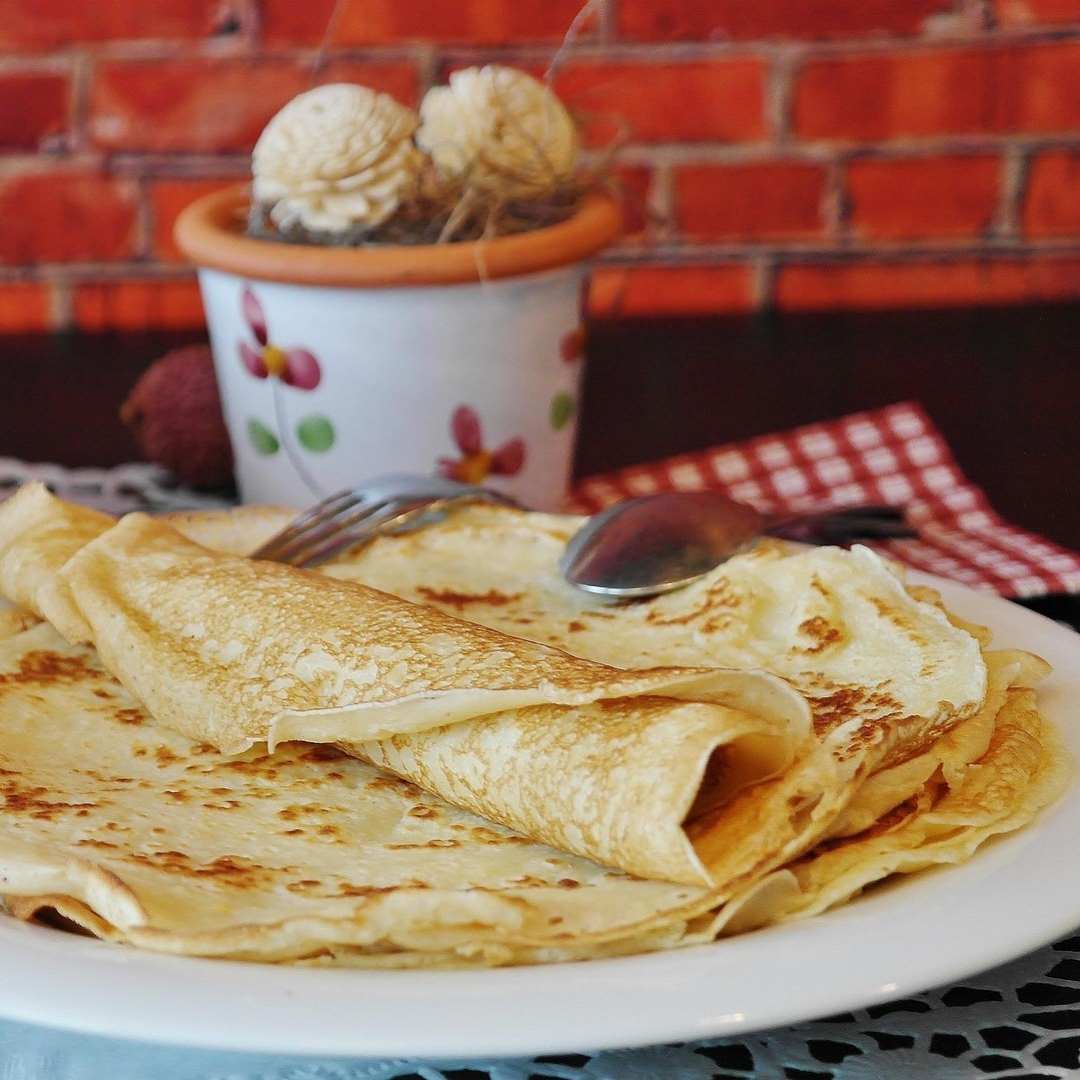
If you ask for pancakes in Germany, you may hear the word Pfannkuchen. Traditional German Pfannkuchen are thin, tender, and easy to fold or roll. Unlike the thick, fluffy pancakes commonly served in the United States, they are usually made without baking powder or baking soda.
The basic batter is simple: flour, eggs, milk, and a little salt. Depending on the region and the way they are served, Pfannkuchen can be sweet or savory. They are also not limited to breakfast. In Germany, they can be served as a simple lunch, dinner, dessert, or everyday family meal.
This German pancake recipe is easy to prepare at home and uses ingredients that are readily available in most kitchens.
What Are German Pancakes?
Traditional German pancakes are commonly known as Pfannkuchen, although the name varies from region to region. The basic batter is made from flour, eggs, milk, and salt. Some recipes also include a little sugar, particularly when the pancakes are intended to be served sweet.
Traditional Pfannkuchen are generally made without a chemical leavening agent. Instead of rising in the pan, the relatively thin batter is spread across the cooking surface and quickly cooked on both sides.
The result is a soft and flexible pancake with lightly browned edges. It is thicker than a typical French crepe but much thinner than the fluffy American-style pancake many international readers may know.
Why Are German Pancakes Popular?
Pfannkuchen are a good example of the practical side of German home cooking. The basic recipe requires only a few inexpensive ingredients, and the finished pancakes can be adapted to whatever is available in the kitchen.
A sweet filling can turn them into a simple dessert, while cheese, ham, mushrooms, or vegetables can make them into a more substantial meal. This flexibility is one reason there is no single topping or filling that defines German Pfannkuchen.
Traditional German Pancake Recipe
This easy German pancake recipe makes thin, tender Pfannkuchen that work equally well with sweet toppings or savory fillings. Letting the batter rest for about 15 minutes gives the flour time to hydrate and helps produce a smoother batter.
Ingredients:
- 1 cup all-purpose flour
- 1 1/2 cups milk
- 3 large eggs
- 1 tablespoon sugar, optional for sweet pancakes
- 1/4 teaspoon salt
- 2 tablespoons melted butter
- Butter or neutral cooking oil for frying
Instructions:
- Place the flour in a mixing bowl and gradually whisk in the milk until you have a smooth batter.
- Add the eggs, salt, and sugar if making sweet pancakes. Whisk until the batter is smooth and there are no large lumps.
- Stir in the melted butter.
- Let the batter rest for about 15 minutes. If it becomes noticeably too thick, add a small splash of milk.
- Heat a nonstick or well-seasoned frying pan over medium heat and lightly grease it with butter or oil.
- Pour a small amount of batter into the pan and immediately tilt and swirl the pan so the batter spreads into a thin, even layer.
- Cook for about 1 to 2 minutes, until the underside is lightly golden and the surface is mostly set.
- Flip the pancake and cook the other side for about 30 seconds to 1 minute.
- Transfer the finished pancake to a plate and repeat with the remaining batter, lightly greasing the pan as needed.
- Serve warm with your preferred sweet or savory topping.
Tips for Making German Pfannkuchen
The batter should be fairly fluid, somewhere between a traditional pancake batter and a crepe batter. It needs to spread easily across the bottom of the pan when you tilt and swirl it.
Medium heat usually works better than high heat. If the pan is too hot, the pancake can brown too quickly before it cooks evenly. The first pancake is useful for checking both the temperature and the amount of batter needed.
For especially thin Pfannkuchen, use just enough batter to cover the bottom of the pan. If you prefer a slightly thicker pancake, add a little more batter.
Keep the cooked pancakes stacked on a plate while you prepare the rest. They stay soft and can easily be folded, rolled, or filled once they are ready.
Sweet and Savory German Pancake Toppings
One of the best things about Pfannkuchen is their versatility. The same basic recipe can be used for a sweet treat or a savory meal.
For sweet Pfannkuchen, popular choices include jam, applesauce, fresh berries, cinnamon sugar, honey, or chocolate-hazelnut spread. A simple combination of butter and sugar is another easy way to serve them while they are still warm.
For a savory version, try fillings such as cheese, ham, mushrooms, spinach, or fresh herbs. The pancake can be folded or rolled and served warm.
There is also a traditional way to use leftover pancakes in parts of Germany: cut them into thin strips and serve them in broth. Depending on the region, this preparation is known as Fladle or by other regional names.
German Pancakes vs. American Pancakes
Although both dishes are called pancakes in English, German Pfannkuchen are quite different from the thick pancakes commonly associated with American breakfast tables.
American pancakes are usually made with baking powder or baking soda, which helps create a thicker and fluffier texture. Traditional German Pfannkuchen are generally thinner and are cooked as a flat, flexible pancake.
The way they are served can also be different. American pancakes are strongly associated with breakfast and are often served in a stack with butter and syrup. German Pfannkuchen can be eaten at different times of day and are just as suitable for savory fillings as they are for sweet toppings.
Pfannkuchen, Eierkuchen, and Other Regional Names
German food names often change from one region to another, and pancakes are a good example. In parts of eastern Germany, the flat pancake described in this recipe is commonly called Eierkuchen. The name Plinsen is also used in some regions.
In southwestern Germany, similar thin pancakes may be known as Fladle and are also used in traditional soups. These regional differences do not necessarily mean that the recipes are completely different. Often, the name simply reflects where the dish is prepared or where the speaker comes from.
Why Pfannkuchen Can Be Confusing in Berlin
There is a particularly famous regional difference in Berlin. The word Pfannkuchen can refer to the round, jam-filled pastry that is known elsewhere in Germany as a Berliner or Krapfen. Germany Travel itself uses the term “Berliner Pfannkuchen” for this filled pastry. Germany Travel explains the Berlin specialty here.
For the flat pancake described in this recipe, Berliners commonly use the name Eierkuchen. Elsewhere in Germany, however, Pfannkuchen is a familiar name for the flat pancake.
So if you order or talk about a Pfannkuchen in Germany, the meaning can depend on the region. It is one of those small differences in German food vocabulary that visitors quickly notice.
A Simple German Classic
German Pfannkuchen show how much can be done with a few basic ingredients. Flour, milk, eggs, and a little salt are enough to make a versatile dish that can be served sweet or savory.
For an easy German pancake recipe, Pfannkuchen are a great place to start. They are simple enough for an ordinary weekday meal, flexible enough for different tastes, and closely connected with everyday home cooking in Germany.
And perhaps that is what makes them worth trying: there is no complicated technique or long list of ingredients. Just a simple batter, a hot pan, and plenty of possibilities for what goes on top.