Easter and the 2025 German Easter Egg Hunt: A Cultural Celebration
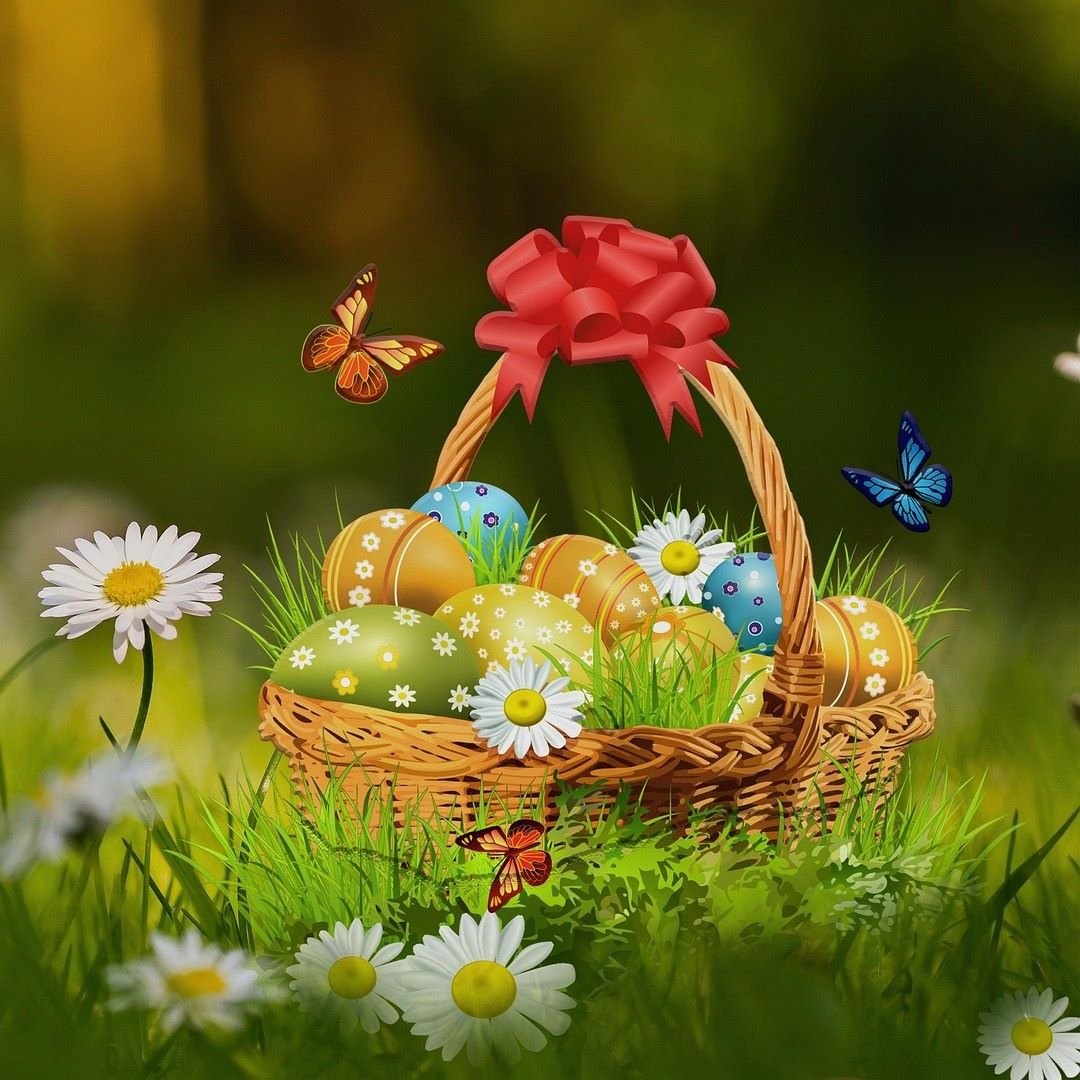
Easter and the 2025 German Easter Egg Hunt: A Cultural Celebration
Easter in Germany brings together religious traditions, family customs, spring decorations, and seasonal foods. In 2025, Easter Sunday falls on April 20, giving families another opportunity to enjoy traditions that have been part of German life for generations.
One of the most familiar Easter customs for children is the search for hidden eggs. The tradition of the Easter bunny, known in German as the Osterhase, has a long history in German-speaking regions. In this article, I look at German Easter traditions, the Easter egg hunt, the Osterhase, and a simple recipe for Osterbrot, a traditional German Easter bread.
A Brief History and Meaning of Easter in Germany
German Easter, or Ostern, is a Christian holiday with traditions that have developed over many centuries. For Christians, Easter commemorates the resurrection of Jesus Christ. At the same time, many familiar customs surrounding the holiday have become part of Germany’s wider seasonal culture.
Families may attend church services, share festive meals, decorate their homes, and spend time together over the Easter holidays. Flowers, decorated eggs, spring decorations, and seasonal foods are especially common during this time of year.
The way Easter is celebrated can differ from one family and region to another. Some customs are closely connected with Christian observance, while others have become familiar parts of the spring season and family life.
When Is Easter in Germany in 2025?
The Timing of Easter 2025
In 2025, Easter Sunday falls on April 20. Good Friday is April 18, and Easter Monday is April 21. These days form the central Easter holiday period in Germany.
Good Friday is an important Christian observance, while Easter Sunday is the main day for Easter celebrations, family gatherings, and many children’s traditions. Easter Monday is also a public holiday in Germany, and many people use the long weekend for family visits, outings, or simply relaxing together.
Regional Differences
Easter customs are not identical throughout Germany. Families and communities have their own traditions, and some customs are particularly associated with certain regions. Easter markets, decorated public spaces, church services, Easter fires, and other local events may be part of the holiday depending on where you are.
For me, this variety has always been part of what makes German holidays interesting. The details can change from one family to another, but many of the familiar symbols of Easter remain surprisingly consistent.
Traditional German Easter Customs
How Germans Celebrate Easter
Many German families decorate their homes for Easter with flowers, painted or dyed eggs, branches, and other spring decorations. Easter wreaths and arrangements made with flowering branches are also popular seasonal decorations.
Food is another important part of the holiday. Families may prepare festive meals, bake Easter breads and cakes, and serve chocolate or decorated eggs. The exact menu depends on family traditions and regional preferences.
For children, however, one of the most anticipated parts of Easter is often the search for hidden eggs and treats.
The German Easter Egg Hunt
Searching for hidden eggs is a familiar German Easter tradition. Adults hide decorated eggs, chocolate, and sometimes small treats, while children search for them in the garden, around the house, or in other suitable places.
For many families, the egg hunt takes place on Easter Sunday. It is usually a simple family tradition rather than a formal ceremony, and every household has its own way of doing it.
I still remember Easter egg hunts from my own childhood in Germany. We knew that the eggs were somewhere outside, but that did not make finding them any easier. I would search around flowerbeds, behind things in the garden, and in all the places where I thought an adult might have hidden something. Finding the first egg was always exciting, but the real fun was trying to work out where the next one might be.
Looking back, I think that is what made the tradition so memorable. It was not really about how many eggs we found. It was the anticipation, the searching, and the feeling that Easter morning had temporarily turned the familiar garden into a little treasure hunt.
If you would like to try another traditional German Easter activity, you can also read our guide to German Easter egg dyeing.
The Origins of the Egg Hunt Tradition
Eggs have long been associated with Easter and ideas of new life and renewal. In Christian tradition, the egg also became an important symbol connected with Easter.
The modern Easter egg hunt developed over time alongside other Easter customs. The tradition of hiding eggs for children became closely connected with the Easter bunny, although the exact history of these customs is more complex than a single origin story.
Today, the egg hunt is primarily a playful family tradition. For children, the historical background matters much less than the excitement of finding a brightly colored egg hidden somewhere nearby.
When Can Children Join an Easter Egg Hunt?
For many families, the Easter egg hunt takes place on Easter Sunday morning. Children may wake up to find that eggs and small treats have been hidden around the house or garden.
There is no single nationwide schedule for private Easter egg hunts. Families choose their own time and setting, while public events follow their individual schedules.
The Beloved Osterhase
The Role of the Easter Bunny in Germany
The German Osterhase is the Easter bunny who is traditionally said to hide Easter eggs for children to find. Today, the image is firmly established in German Easter culture and appears on decorations, chocolate products, greeting cards, and children’s books.
The history of the Osterhase is particularly interesting. One of the earliest known written references dates to 1682, when Georg Franck von Franckenau described a belief that a hare hid Easter eggs for children to find.
The custom did not immediately become universal throughout all German-speaking regions. Other animals were also associated with delivering Easter eggs in some areas. Over time, however, the hare became the dominant figure in the German Easter tradition.
The Osterhase in 2025
For Easter 2025, the Osterhase remains one of the most recognizable symbols of the holiday. On Easter Sunday, April 20, children may look for decorated eggs, chocolate eggs, and other small treats that the Easter bunny is said to have hidden.
The Osterhase is not a formal part of Christian Easter observance. Instead, the figure belongs to the popular and family-oriented side of the holiday and has become one of its best-known symbols.
A Simple German Easter Bread: Osterbrot
Food is an important part of Easter in Germany, and Osterbrot is one of the traditional sweet breads associated with the holiday. Recipes vary by region and family, so there is no single recipe that represents every German version of Osterbrot.
The following is a simple home-style version that produces a soft, lightly sweet yeast bread. It can be served with butter, jam, or powdered sugar and works well for an Easter breakfast or afternoon coffee.
Ingredients for Osterbrot
- 500 g (17.6 oz) all-purpose flour
- 7 g (0.25 oz) active dry yeast
- 250 ml (8.45 fl oz) lukewarm milk
- 50 g (1.76 oz) unsalted butter, softened
- 80 g (2.8 oz) granulated sugar
- 1 large egg
- A pinch of salt
- Optional: 100 g (3.5 oz) raisins or chopped nuts
Equipment Needed
- Mixing bowl
- Wooden spoon or stand mixer
- Baking tray
- Oven
- Kitchen towel
- Measuring cups and spoons
Step-by-Step Instructions
1. Activate the Yeast
Warm the milk until it is lukewarm rather than hot. Mix the milk with the yeast and about one teaspoon of the sugar. Stir and let the mixture stand for about 10 minutes.
If you are using German dry yeast, you can also take a look at our Dr. Oetker dry yeast from Germany.
2. Mix the Dough
Place the flour, remaining sugar, and salt in a large mixing bowl. Make a well in the center and add the yeast mixture, softened butter, and egg. Mix until a dough begins to form.
3. Knead the Dough
Transfer the dough to a lightly floured work surface and knead for about 10 minutes by hand. If using a stand mixer, knead with a dough hook until the dough becomes smooth and elastic.
4. Let the Dough Rise
Place the dough in a lightly greased bowl and cover it with a clean kitchen towel. Leave it in a warm, draft-free place for about one hour, or until the dough has noticeably increased in volume.
5. Shape the Bread
Gently press down the dough to release excess air. Shape it into a round or oval loaf. If using raisins or chopped nuts, fold them into the dough at this stage.
6. Let the Dough Rise Again
Place the shaped loaf on a baking tray lined with parchment paper. Cover it loosely and let it rise for another 30 to 45 minutes.
7. Bake the Osterbrot
Preheat the oven to 180°C (356°F). Bake the bread for approximately 25 to 30 minutes, or until the crust is golden brown and the loaf sounds hollow when tapped underneath.
8. Cool and Serve
Transfer the bread to a wire rack and allow it to cool before slicing. Osterbrot can be served with butter, jam, or powdered sugar.
This simple Easter bread makes a pleasant addition to an Easter breakfast, brunch, or afternoon coffee table.
A Childhood Easter Memory
When I think about Easter in Germany, I do not first think about large public celebrations. I think about the smaller traditions from my childhood.
One of the things I remember most clearly is the anticipation of the Easter egg hunt. We knew there would be eggs somewhere, but nobody told us exactly where to look. That was the whole point. On Easter morning, the garden suddenly became a place to search. Flowerbeds, bushes, corners, and places that normally attracted no attention were suddenly worth investigating.
I remember the feeling of finding a hidden egg and then immediately wondering whether there might be another one nearby. Sometimes an adult’s innocent-looking suggestion about where to look was enough to send us in completely the wrong direction.
Those Easter mornings were not elaborate events. They were simply family moments, but they stayed with me. Even today, when I think about the German Easter traditions of my childhood, the image that comes back to me is that search for hidden eggs and the excitement of not knowing where the next one would be.
How German Easter Traditions Bring People Together
Easter in Germany combines religious observance with customs that have become deeply rooted in family and seasonal life. Easter eggs, spring decorations, festive food, and the Osterhase all have a place in the modern celebration, although individual families celebrate in their own ways.
Creating Easter Memories
For children, an Easter egg hunt can be one of the highlights of the holiday. For adults, the season may be more closely associated with family meals, church services, baking, decorating, and time spent together.
These different aspects of Easter can exist side by side. That is part of what makes the holiday interesting from a cultural perspective. Some traditions have a long history, while others simply become family customs because people enjoy repeating them year after year.
Easter in Germany in 2025
With Easter Sunday on April 20, 2025, families had the opportunity to enjoy the holiday during the spring season, from traditional religious observances to the more playful customs surrounding the Osterhase and Easter eggs.
Whether celebrated at home, with relatives, at church, or during a local Easter event, German Easter traditions offer a glimpse into the way older customs continue to find a place in modern everyday life.
Conclusion: Easter, Culture, and New Beginnings
Easter in Germany is more than an Easter egg hunt. It is a combination of religious tradition, family customs, seasonal decoration, and food. The Osterhase and hidden eggs add a playful element for children, while Easter meals and baking bring families together.
For me, the most lasting part of Easter has always been the combination of tradition and simple family moments. The egg hunt from my childhood was not a major event, but it is exactly the kind of small tradition that can stay in your memory for decades.
In 2025, Easter Sunday fell on April 20. For anyone interested in German culture, the holiday offered another opportunity to see how traditions such as the Easter egg hunt, the Osterhase, and Osterbrot continue to be part of contemporary German life.