German Easter Egg Dyeing Tradition – A Complete DIY Guide
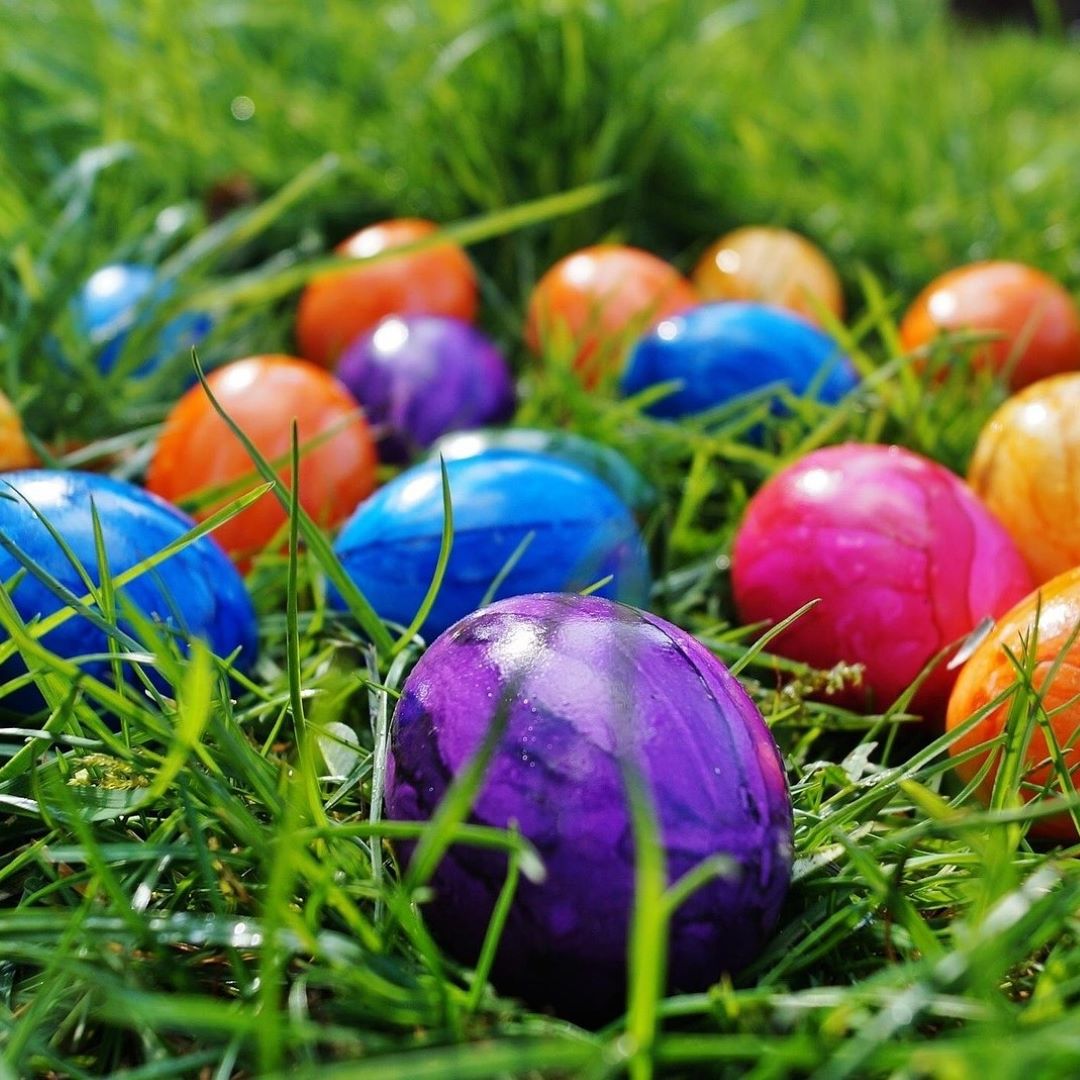
Easter in Germany, known as Ostern, is closely associated with colorful eggs, spring decorations, Easter baskets, and family traditions. Dyeing and decorating eggs is one of the most recognizable German Easter customs, and it can be as simple as coloring hard-boiled eggs for the table or as creative as turning empty eggshells into decorations for an Osterbaum, or Easter tree.
For me, the tradition also has a personal connection. My grandmother Ingeborg is part of my own connection to German family traditions. Easter egg dyeing is the kind of seasonal custom that can become part of family life without anyone thinking of it as something unusual. It simply comes back each spring, along with familiar decorations, foods, and other Easter traditions.
Why Do Germans Dye Easter Eggs?
Coloring and decorating eggs is a well-established Easter custom in Germany. Eggs are associated with life and renewal, while Easter itself is the Christian celebration of the resurrection of Jesus Christ.
The exact origin of the Easter egg tradition is not completely clear. Eggs had symbolic associations with life and fertility before Christianity, while Christian traditions later gave the egg additional meaning connected with resurrection and new life. It is therefore too simplistic to describe German Easter egg dyeing as having one single origin.
There is also a practical explanation connected with Lent. In earlier times, eggs were traditionally avoided during the Lenten fast, so eggs accumulated before Easter. Some historical explanations suggest that these eggs were boiled to preserve them and colored to distinguish them from fresh eggs. This explanation is often associated with the development of colored Easter eggs, although it should not be treated as the sole proven origin of the custom.
Today, the tradition is much simpler: families and children color eggs because it is a familiar part of Easter, because decorated eggs look beautiful, and because dyeing eggs is an easy seasonal activity to share.
Osterei and Bunte Eier: German Easter Egg Terms
The German word Osterei means “Easter egg.” The plural is Ostereier. You will also hear bunte Eier, which literally means “colorful eggs.” The two expressions can overlap in everyday conversation, but they are not exact synonyms.
An Osterei is specifically an egg associated with Easter. Bunte Eier simply describes eggs that are colorful. In the context of Easter, however, colorful eggs are commonly understood as Easter eggs.
There is also a modern German supermarket tradition that visitors from the United States may find interesting: during the Easter season, stores often sell ready-to-eat hard-boiled eggs that have already been colored. These are not the same thing as the homemade eggs families dye and decorate, but they show how deeply the custom has become part of everyday Easter culture.
A Short History of Easter Eggs in Germany
The history of the Easter egg is older and more complicated than a single traditional explanation suggests. Eggs have long been associated with fertility, life, and renewal. Christianity also adopted the egg as a symbol that could be connected with resurrection and new life.
German Easter traditions developed within this broader European history. Decorating eggs became part of Easter celebrations, while different regions and families developed their own colors, patterns, techniques, and ways of displaying the finished eggs.
Historical sources also document the German tradition of decorating and giving Easter eggs going back centuries. The exact beginning of the practice of dyeing eggs, however, cannot be reduced to one precise date or one single event.
From the Easter Table to the Easter Tree
German Easter eggs are not limited to the dining table. Decorated eggs can also become part of spring decorations.
One familiar display is the Osterbaum, or Easter tree. Families may hang decorated hollow eggs from branches placed in a vase indoors or from suitable branches outdoors. A related decoration is the Osterstrauss, an Easter bouquet made from branches and decorated with eggs or other spring ornaments.
Birch and flowering branches are especially suitable for a spring display. As the branches open into leaves or blossoms, the decorated eggs become part of a larger seasonal decoration rather than simply something to eat.
The idea also appears in public Easter decorations. In the Franconian Switzerland region of Bavaria, for example, Osterbrunnen are decorated with eggs, garlands, and flowers. Around 200 towns and villages in the region are known for this seasonal tradition, with Bieberbach near Egloffstein particularly famous for its large decorated Easter fountain.
How to Dye German Easter Eggs at Home
There are two basic approaches to German-style Easter egg decorating at home. You can dye hard-boiled eggs that are intended to be eaten, or you can empty raw eggshells and turn them into long-lasting decorations.
What You Need for Edible Dyed Eggs
- Hard-boiled eggs
- Food-safe egg dye or food coloring
- Small bowls or cups
- Water
- Vinegar, if recommended by the dye manufacturer
- A spoon or egg dipper
- Paper towels
For a convenient option, GermanBuy carries Dr. Oetker 4 Baking and Food Colors, which can also be useful for food-coloring projects at home.
What You Need for Decorative Hollow Eggs
- Raw eggs
- An egg piercer or suitable egg-blowing tool
- Water for rinsing the empty shells
- Food coloring or suitable decorative egg dyes
- Fine brushes or other decorating tools
- String or thin ribbon for hanging
Decorative hollow eggs should not be treated as edible eggs after they have been emptied and decorated. If you are preparing eggs for eating, use hard-boiled eggs instead.
Method 1: Dyeing Hard-Boiled Easter Eggs
Step 1: Cook the Eggs
Start with eggs that are suitable for hard-boiling. Depending on the size of the eggs and the cooking method, around 9–12 minutes is a practical starting range for firm hard-boiled eggs.
After cooking, cool the eggs. Cold water can be used to cool them more quickly. Allow the shells to dry before coloring.
Step 2: Prepare the Dye
Prepare the food coloring according to the manufacturer’s instructions. If you are making a simple homemade dye bath, a small bowl or cup containing approximately 250 mL / 1 US cup of liquid is a useful working amount for several eggs.
Some commercial egg dyes use an acidic solution to help the color adhere to the shell. If your coloring product specifies vinegar, follow the instructions supplied with that product rather than using a fixed amount for every dye.
Step 3: Dye the Eggs
Place each cooled egg into the dye and turn it as needed so the shell colors evenly. The longer an egg remains in the dye, the more intense the color will generally become.
Remove the egg with a spoon or egg dipper and place it on paper towels to dry.
For a glossy finish, a small amount of cooking oil can be rubbed gently over the shell after the color has dried. This is a decorative finishing technique rather than a requirement.
Method 2: Natural Easter Egg Dyes
German Easter eggs do not have to be colored with commercial food dyes. Kitchen ingredients can also create natural-looking colors.
Common options include onion skins, turmeric, red cabbage, spinach, and beet. The final color depends on the ingredient, concentration, egg shell, and dyeing conditions, so natural dyes are best approached as a simple experiment rather than a way to guarantee one exact shade.
A Simple Natural Dyeing Approach
- Prepare the dye material in water.
- Simmer the mixture to release the color.
- Strain the liquid if necessary.
- Allow the dye bath to cool enough for handling.
- Place the cooked eggs into the dye.
- Leave them in the liquid until the desired color develops.
- Remove the eggs and allow them to dry completely.
Red cabbage is a particularly interesting example because its color can shift depending on the acidity of the dye bath. Natural dyeing therefore produces less predictable results than commercial food coloring, which is part of the appeal.
How to Make Decorative Blown-Out Easter Eggs
Empty eggshells are commonly used for decorative Easter eggs. The basic idea is simple: remove the contents of the raw egg, clean and dry the shell, and then decorate it.
Step 1: Empty the Egg
Make a small opening at both ends of the egg using an egg piercer or another tool designed for this purpose. Carefully enlarge the openings if necessary and remove the contents.
Rinse the empty shell gently with water and allow it to dry thoroughly before decorating.
For hygiene reasons, use appropriate food-safety precautions when handling raw eggs. If you are preparing decorative shells, do not use the contents afterward unless they have been handled and stored safely and are still suitable for cooking.
Step 2: Color and Decorate the Shell
Once the shell is completely dry, color it with egg dye or food coloring. You can also add patterns with a fine brush, decorative pens, or other suitable craft materials.
Traditional designs can be simple: dots, stripes, flowers, leaves, geometric patterns, or combinations of several colors all work well.
The finished eggs can be displayed in a bowl, arranged in an Easter nest, or hung from branches.
How to Hang Easter Eggs on an Osterbaum
An Osterbaum can be created with a few flowering or leafy branches placed in a sturdy vase. Suitable branches can be decorated with hollow Easter eggs using thin string or ribbon.
For an indoor arrangement, branches around 30–40 cm / 12–16 inches long can make a manageable starting point, although the size of the display can vary considerably.
Make sure the vase is stable and that the branches can support the decorations without tipping over. The eggs themselves can be arranged evenly or grouped together for a more natural appearance.
The result is simple but distinctly seasonal: spring branches, fresh greenery or blossoms, and colorful eggs become one decoration.
German Easter Egg Traditions Beyond the Home
Eggs also appear in larger public Easter traditions in Germany. One particularly distinctive example is the Osterbrunnen tradition of Franconian Switzerland.
During the weeks around Easter, fountains are decorated with large numbers of painted eggs, flowers, and garlands. Bieberbach near Egloffstein became especially well known for a decorated Easter fountain featuring 11,108 hand-painted eggshells.
These displays show how the Easter egg can move beyond a family craft project and become part of regional identity, local craftsmanship, and public spring celebrations.
German Easter Traditions in Spring
Easter egg dyeing is only one part of the broader German Easter season. Depending on the region and family, Easter may include Easter nests, egg hunts, decorated branches, Easter bonfires, church services, walks, and seasonal foods.
Children may search for eggs and chocolate hidden by the Easter Bunny on Easter Sunday. In other settings, Easter decorations are more important than the egg hunt itself. German Easter customs are not identical everywhere, and regional traditions can be quite different.
That regional variety is one reason it is difficult to describe a single “typical German Easter.” The common thread is the combination of Christian observance, springtime symbolism, family activities, food, and decoration.
For more background on German Easter traditions, see our related GermanBuy articles about the German Easter egg hunt and when Easter is celebrated in Germany.
My Family Connection: My Grandmother Ingeborg
That family connection is one reason I find traditions such as German Easter egg dyeing so interesting. Customs are often passed from one generation to the next in very ordinary ways: by watching, helping, repeating, and eventually doing them yourself.
For me, that is part of what makes Ostereier more interesting than just colored eggs. They are a small part of a much larger German Easter tradition that connects family, food, decoration, and the changing season.
Frequently Asked Questions About German Easter Eggs
What are Easter eggs called in German?
An Easter egg is called an Osterei in German. The plural is Ostereier. The expression bunte Eier means colorful eggs and is also commonly used when talking about dyed Easter eggs.
Why are eggs dyed for Easter in Germany?
Eggs have long been associated with life and renewal, while Christian Easter traditions connected the egg with resurrection and new life. The exact historical origin of Easter egg dyeing is not completely clear, and several cultural and religious influences have shaped the tradition over time.
Do Germans eat dyed Easter eggs?
Yes. Hard-boiled eggs can be dyed with food-safe coloring and eaten. Germany also has a modern tradition of selling pre-cooked, pre-colored eggs in supermarkets during the Easter season.
What is an Osterbaum?
An Osterbaum is an Easter tree decorated with Easter eggs and other seasonal ornaments. It can be made indoors with branches in a vase or outdoors by decorating a suitable tree or shrub.
Can I use natural ingredients to dye German Easter eggs?
Yes. Onion skins, turmeric, red cabbage, spinach, and beet can all be used to create natural egg colors. The results vary, so natural dyeing is more experimental than using standardized commercial food coloring.
What is the difference between an edible Easter egg and a decorative Easter egg?
An edible Easter egg is normally a cooked egg colored with food-safe dye. A decorative Easter egg is often an empty eggshell that has been cleaned, dried, colored, and decorated. Hollow eggs are intended as decorations rather than food.
Why German Easter Eggs Are More Than a DIY Project
Dyeing Easter eggs may look like a simple craft, but in Germany it sits within a much broader seasonal tradition. Eggs appear on Easter tables, in children’s Easter nests, on spring branches, in gardens, and even in large public displays such as the Osterbrunnen of Franconian Switzerland.
The beauty of the tradition is its simplicity. You do not need elaborate equipment or artistic skills to take part. A few eggs, some color, and a little time are enough to create something that connects a familiar spring activity with a distinctly German Easter custom.
And perhaps that is why the tradition has lasted so well. The technique may change, the colors may change, and every family may decorate its eggs differently, but the basic idea remains remarkably simple: eggs, spring, family, and Easter.
Sources:
Goethe-Institut – 5 German Easter Traditions
Goethe-Institut – Easter: German traditions and customs
Germany Travel – Spring in Germany: Flower Festivals and Easter Traditions
Germany Travel – Ten Regional Traditions Celebrated Throughout Germany