
German Caraway: Kummel and How It Is Used in German Cooking
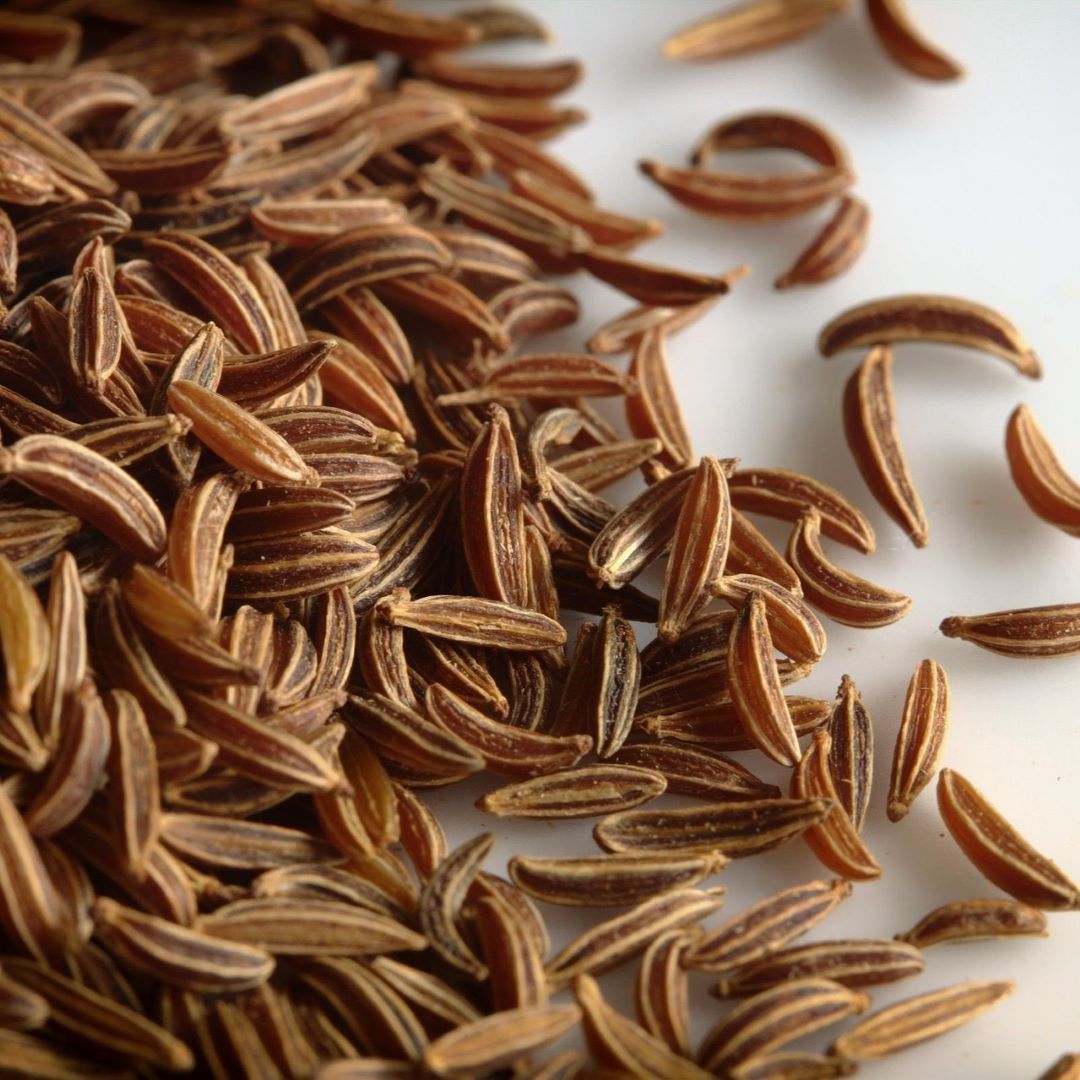
Caraway, known as Kummel (Kümmel) in German, is one of those spices that immediately reminds me of traditional German cooking. Its flavor is distinctive, slightly earthy and aromatic, and it works particularly well with hearty foods such as cabbage, sauerkraut, bread and certain meat dishes. At the same time, caraway is easy to confuse with cumin or black cumin, even though these are three different spices.
What Is Caraway?
Caraway is the seed of Carum carvi, a plant from the parsley family. The plant is biennial: during its first year it develops a leafy rosette, while in its second year it produces small white flowers and the fruits that are commonly used as the spice.
The dried seeds are usually dark brown with lighter ribs. They can be used whole or ground, although whole caraway is especially common in traditional German cooking.
Caraway has a strong character, so you normally do not need much of it. A small amount can be enough to give a familiar dish that characteristic flavor associated with German home cooking.
Kummel, Cumin and Black Cumin: Three Different Spices
The names can be confusing, especially when German and English food terminology are mixed. German Kummel means caraway, but it is not the same spice as cumin.
True caraway is Carum carvi. Cumin is Cuminum cyminum, while black cumin is Nigella sativa. Black cumin is botanically unrelated to both caraway and cumin, despite the similar English name.
The flavors are also quite different. Caraway has a distinctive warm, aromatic taste that works especially well with cabbage and other hearty German foods. Cumin has a warmer, more earthy and pronounced flavor that is familiar in many Middle Eastern, Mediterranean, Indian and other cuisines. Black cumin has its own characteristic taste and is often associated with Middle Eastern and Oriental cooking.
So when a German recipe calls for Kummel, it means caraway. Substituting cumin simply because the names look similar would change the character of the dish.
Why Caraway Works So Well With Sauerkraut
Caraway has a particularly strong connection with cabbage dishes in German cooking. For me, sauerkraut is probably the most familiar place to use caraway. I do not use large amounts of it, but I sometimes add a little Kummel when I cook sauerkraut. The combination makes sense because the spice adds a warm, aromatic note to the tangy cabbage without needing to dominate the dish.
This is also a good example of how traditional German cooking often uses spices quite differently from heavily seasoned international cuisines. A spice does not necessarily have to become the main flavor. Sometimes a small amount is enough to round out a dish.
Caraway in German Bread and Hearty Foods
Sauerkraut is not the only place where caraway appears. It is also associated with a number of traditional German breads, particularly breads made with rye or other strongly flavored grains.
Caraway can also be used with potatoes, cabbage and hearty meat dishes. It pairs naturally with foods that have a substantial flavor of their own, which is one reason it has remained familiar in traditional German home cooking.
In pork dishes and roasts, whole caraway seeds can be rubbed onto the meat or added to the cooking juices. The seeds release their aroma during cooking and give the finished dish a distinctly savory character.
What Does German Caraway Taste Like?
Caraway is difficult to describe with just one word. Its flavor is aromatic, warm and slightly earthy, with a distinctive character that becomes more noticeable when the seeds are crushed or heated.
It is considerably more pronounced than many everyday herbs. That is why a recipe may call for only a small amount. Too much caraway can easily dominate the other ingredients.
When used carefully, however, it can make a simple dish taste more complete. This is particularly noticeable with cabbage, sauerkraut and hearty breads.
Whole or Ground Caraway?
Both forms have their place in the kitchen.
Whole caraway seeds are especially useful when you want the traditional appearance and occasional bursts of flavor. They work well in sauerkraut, cabbage dishes, breads and meat preparations.
Ground caraway distributes the flavor more evenly throughout a dish. It can be useful when you want the spice to blend into a sauce, seasoning mixture or dough without leaving whole seeds in the finished food.
If you are unsure how much to use, starting with a small amount is usually the better approach. You can always add more, but it is much harder to reduce the flavor once too much caraway has been added.
How I Use Caraway at Home
I actually use caraway rather sparingly. I most often add a little Kummel to sauerkraut, where its distinctive flavor fits naturally with the cabbage. I also sometimes add a small pinch of caraway to a cup of herbal tea. For me, it is one of those spices that works best when used with a light hand rather than in large quantities.
That is probably also why I associate Kummel more with traditional German home cooking than with elaborate recipes. A small amount can add a very recognizable flavor without taking over the entire dish.
Caraway and German Everyday Cooking
What I find interesting about caraway is that it does not need to be the star of a dish to be important. It belongs to the group of traditional German seasonings that quietly shape the flavor of familiar foods.
There is no single dish that defines German caraway cooking. Instead, you encounter it in different parts of everyday food culture: in cabbage dishes, sauerkraut, traditional breads and hearty meals.
That makes Kummel a good example of how German cooking often works. A simple ingredient, used in a modest amount, can become closely associated with a particular style of food.
A Small Spice With a Very Distinctive Character
Caraway may not be the most versatile spice in the kitchen, but it has a very clear identity. In Germany, Kummel is especially familiar alongside cabbage, sauerkraut, traditional breads and hearty dishes.
For me, that is part of its appeal. I do not use caraway every day, but when I do, I know exactly what kind of flavor I want. A little can be enough to give a simple German dish that unmistakable traditional touch.
Sources and Further Reading







One Comment
Comments are closed.