Celery in Germany: Celeriac, Stalk Celery and How Germans Use Sellerie
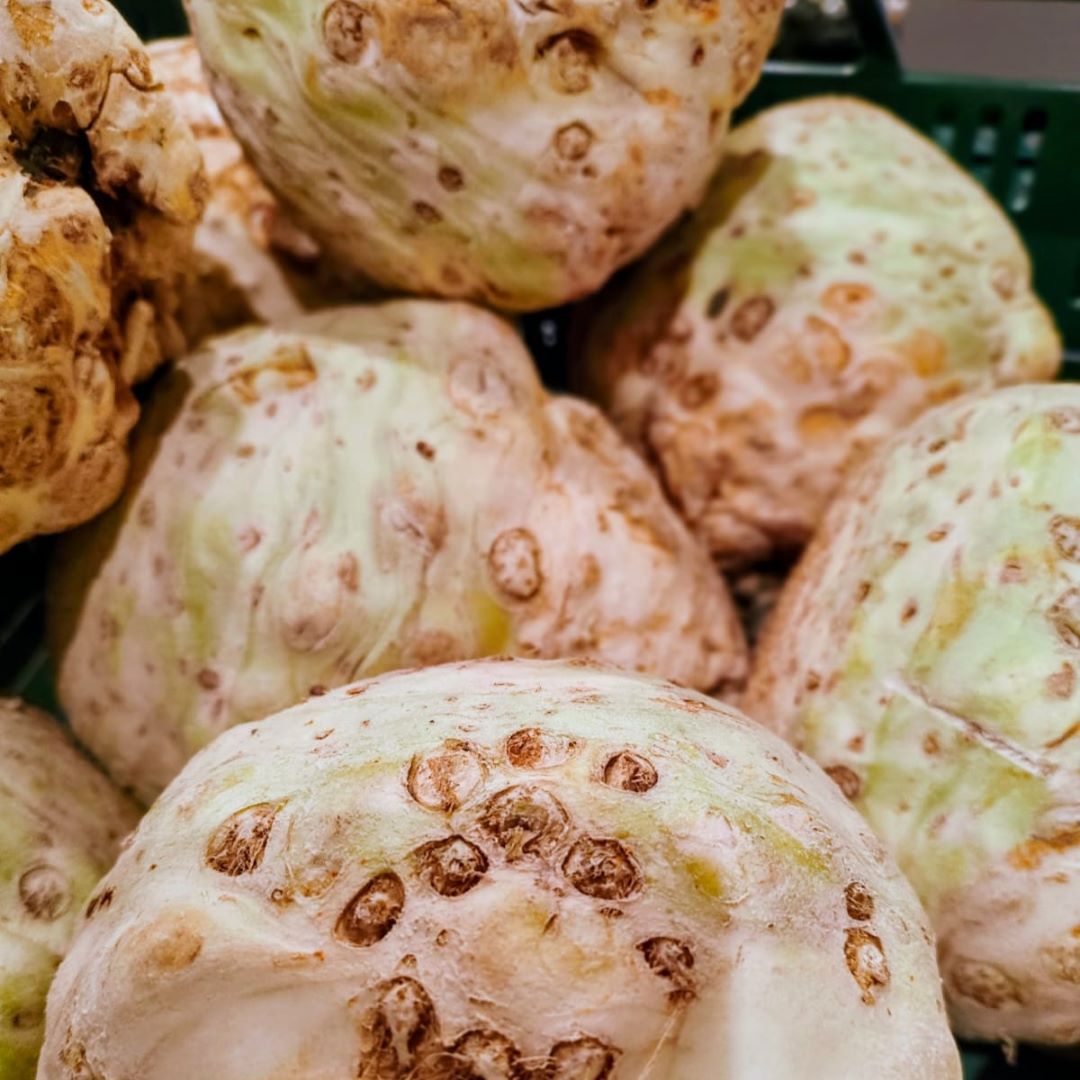
When Americans hear the word celery, they usually picture crisp green stalks. In Germany, the word Sellerie often brings something quite different to mind: Knollensellerie, or celeriac (celery root). This large, rough-skinned root is an everyday ingredient in German cooking, particularly in soups, stews, sauces and other hearty dishes.
That difference is worth knowing if you are interested in German food. German Sellerie is not limited to the green stalks that are familiar in American kitchens. Depending on the form, celery can provide the earthy base of a soup, add crunch to a salad, season a dish with its leaves, or simply become one of several vegetables simmering in a home-style meal.
Looking for a simple way to cook Sellerie? I sometimes make a straightforward vegetable soup with potatoes, carrots, celeriac and soup meat. Near the end, I add parsley, leek and sometimes finely diced stalk celery. It is not a complicated recipe, but it is exactly the kind of everyday soup in which German celeriac makes sense.
What Is Sellerie in Germany?
Sellerie is the German word for celery, but German cooking uses several forms of the plant. For an American reader, the most important distinction is between Knollensellerie and Stangensellerie.
Knollensellerie = celeriac (celery root). Instead of producing long edible stalks, this form develops a large, knobby root that is peeled before cooking. Its flavor is earthy, savory and more pronounced than that of stalk celery.
Stangensellerie = stalk celery. This is the familiar celery with long, fleshy stalks. It is also commonly called Staudensellerie in Germany. Its flavor is milder, and the stalks can be eaten raw or cooked.
Schnittsellerie = leaf celery or cutting celery. This form is valued mainly for its aromatic leaves and fine stems and can be used as a seasoning.
So when a German recipe simply says Sellerie, the context matters. In a traditional soup or stew, it may well mean celeriac rather than the bunch of green stalks an American cook might automatically choose.
Celeriac, Stalk Celery and Leaf Celery
Knollensellerie: Celeriac or Celery Root
Celeriac has a rough, knobby exterior that looks quite different from the smooth green stalks of American-style celery. Once peeled, however, the firm white flesh is easy to cut and surprisingly versatile.
German cooks use celeriac in soups, stews and meat dishes, but it can also be fried, steamed, mashed or eaten raw. It works particularly well when combined with other vegetables rather than being treated as a stand-alone ingredient.
Celeriac is also used raw in salads. A classic-style combination pairs finely sliced or grated celeriac with apples and walnuts. The crisp apple adds sweetness and acidity, while the walnuts provide texture and richness.
Stangensellerie: Stalk Celery
Stalk celery is much closer to what most Americans mean by celery. The crisp stalks have a mild, slightly peppery flavor and work well both raw and cooked.
In German kitchens, stalk celery can be eaten with a dip, added to salads, cooked as a vegetable side dish, or used in soups, stews, sauces and risotto. The leaves are edible too and can be finely chopped and used as a seasoning.
Schnittsellerie: Celery as a Herb
Leaf celery is valued more for its aromatic leaves than for a large root or thick stalks. It can be used much like other fresh herbs when a dish needs a concentrated celery flavor.
Why Celeriac Matters in German Cooking
The interesting difference between German and American celery culture is not really the plant itself. It is the role the different forms play in the kitchen.
Sellerie in Suppengruen
One of the clearest examples is Suppengruen, literally “soup greens.” A traditional combination includes celeriac, carrot, leek and parsley. Together, these vegetables provide an aromatic foundation for soups, broths and stews.
Celeriac contributes an earthy flavor that can remain noticeable even when the finished dish contains no large pieces of celery. This is one reason a German soup may taste different from an American soup made with celery stalks: the German version may rely on celeriac for part of its savory vegetable base.
Sellerie in Soups, Stews and Sauces
Celeriac is particularly well suited to hearty cooking. A few pieces can simmer together with potatoes, carrots, onions, meat or other vegetables. It can also be pureed when a smoother texture is desired.
That makes it a natural ingredient for simple home cooking. It does not need an elaborate preparation to be useful. Instead, it can quietly become part of the flavor foundation of the dish.
A Simple German Vegetable Soup with Celeriac
This is one of the ways I sometimes cook with celery. I make a simple vegetable soup with potatoes, carrots and a few pieces of celeriac. When I have soup meat available, I add that as well. For the broth, I use either a meat bouillon cube or, when I want to cook without meat, a vegetable broth cube.
Ingredients
- 500 g / 17.6 oz potatoes, peeled and cut into bite-sized pieces
- 250 g / 8.8 oz carrots, peeled and sliced
- 150 g / 5.3 oz celeriac (Knollensellerie), peeled and cut into small pieces
- 250–300 g / 8.8–10.6 oz soup meat, optional
- 1.5 liters / 1.59 US quarts water, approximately
- 1 Maggi Clear Meat Bouillon Cube, if making the soup with meat
- Or 1 Maggi Clear Vegetable Broth Cube, for a meat-free version
- 100 g / 3.5 oz leek, cut into small rings
- 15 g / 0.5 oz fresh parsley, finely chopped
- 50 g / 1.8 oz stalk celery, finely diced, optional
- Salt, as needed
How I Make It
- Put the potatoes, carrots and pieces of celeriac into a large pot.
- If using soup meat, add it to the pot and pour in approximately 1.5 liters / 1.59 US quarts of water, or enough to cover the ingredients generously.
- Add a meat bouillon cube. For a meat-free soup, use a vegetable broth cube instead.
- Bring the soup to a boil. Then reduce the heat and let it simmer until the vegetables and meat are tender.
- Near the end of the cooking time, add the leek cut into small rings.
- Finely chop the fresh parsley and add it toward the end so that its fresh flavor remains noticeable.
- If I have stalk celery available, I sometimes cut it into very small cubes and add it as well.
- Taste the soup before serving. If I have used a generous amount of water, I simply adjust the flavor with a little more salt or another small amount of broth.
This is not a complicated soup, and that is precisely why I like it. The celeriac gives the vegetable base a deeper, earthy flavor, while the carrots, potatoes, leek and parsley bring their own character. The small pieces of stalk celery, when I use them, add a fresher celery note.
There is also something useful to notice here: two forms of celery can work in the same German-style soup. Celeriac provides the hearty vegetable base, while finely diced stalk celery can add a different texture and flavor toward the end.
Celeriac vs. American-Style Celery
| German term | Common English description | Typical use |
|---|---|---|
| Knollensellerie | Celeriac / celery root | Soups, stews, sauces, salads, purees and cooked vegetable dishes |
| Stangensellerie | Stalk celery | Raw snacks, salads, soups, stews, sauces and side dishes |
| Schnittsellerie | Leaf celery / cutting celery | Seasoning and fresh leaves |
If you are following a German recipe and see the word Sellerie, this distinction can save you from buying the wrong ingredient. In many traditional soup recipes, Knollensellerie is the vegetable you are looking for.
When Is Celery in Season in Germany?
The different forms of celery have different growing and market seasons in Germany.
Celeriac from German production is especially associated with the cooler months. German food education sources give roughly September through March as the period when domestically produced celeriac is available.
Stalk celery has a different seasonal pattern. German-grown stalk celery is generally available from around mid-May through November.
Modern food distribution means that these vegetables can also be found outside their main domestic seasons. Still, the seasonal difference helps explain why celeriac fits so naturally into German autumn and winter cooking, while stalk celery appears more often during the warmer part of the year.
How to Buy, Store and Prepare Sellerie
German shops may sell celeriac whole, in halves or in quarters. A whole celeriac can keep for about two weeks in the refrigerator when stored properly. Once cut, the unused portion should be wrapped or stored in an airtight container and used within a few days.
For stalk celery, look for firm stalks and fresh-looking greens. Properly refrigerated, stalk celery can also keep for up to about two weeks.
When preparing celeriac, wash the root first and remove the thick outer skin with a sturdy knife or vegetable peeler. Cut the peeled root into the size required by your recipe. For soup, small cubes work well, while larger pieces are useful for roasting or other cooked vegetable dishes.
If peeled celeriac has to wait before cooking, a little lemon juice can help prevent the exposed surface from discoloring.
Raw Celeriac in German Salads
It would be a mistake to think of German celeriac as a vegetable that belongs only in a soup pot.
Raw celeriac can be finely sliced or grated and combined with ingredients such as apples and walnuts. The combination works because the strong, earthy celery flavor meets the sweetness and acidity of the apple and the richness of the walnuts.
This is another useful difference for American readers: celeriac can be treated as both a cooked vegetable and a salad ingredient, even though its rough appearance initially makes it look like something that belongs exclusively in a stockpot.
A Simple German Kitchen Tip: Do Not Throw Away the Celery Leaves
Celery leaves are edible and have a concentrated celery aroma. I like to chop them finely and use them as a finishing touch for soups and other savory dishes.
The same idea works with stalk celery: the leaves do not have to be discarded simply because the stalks are the main part being used. A little chopped celery leaf can add plenty of flavor.
Why Sellerie Is Different in Germany
For American readers, the biggest surprise about German celery is probably not a particular recipe. It is the fact that Sellerie can have a very different culinary identity.
In the United States, celery usually means the crisp green stalk. In Germany, Knollensellerie has an important place in traditional savory cooking, especially in Suppengruen, soups, stews, sauces and salads.
Once you recognize that difference, many German recipes become easier to understand. That rough, knobby root is not an unusual vegetable in Germany. It is a familiar kitchen ingredient that can quietly build flavor in everything from a simple vegetable soup to a more elaborate dish.
And sometimes the simplest example is the most useful one. A pot of potatoes, carrots, celeriac, leek and parsley may not look remarkable, but it shows exactly why Sellerie has such a natural place in German everyday cooking.
Sources and Further Reading
Bundeszentrum fuer Ernaehrung (BZfE) – How-to: Sellerie
Bundeszentrum fuer Ernaehrung (BZfE) – So vielseitig ist Staudensellerie