SKS Zinn 95%: A German Tradition in Pewter Craftsmanship
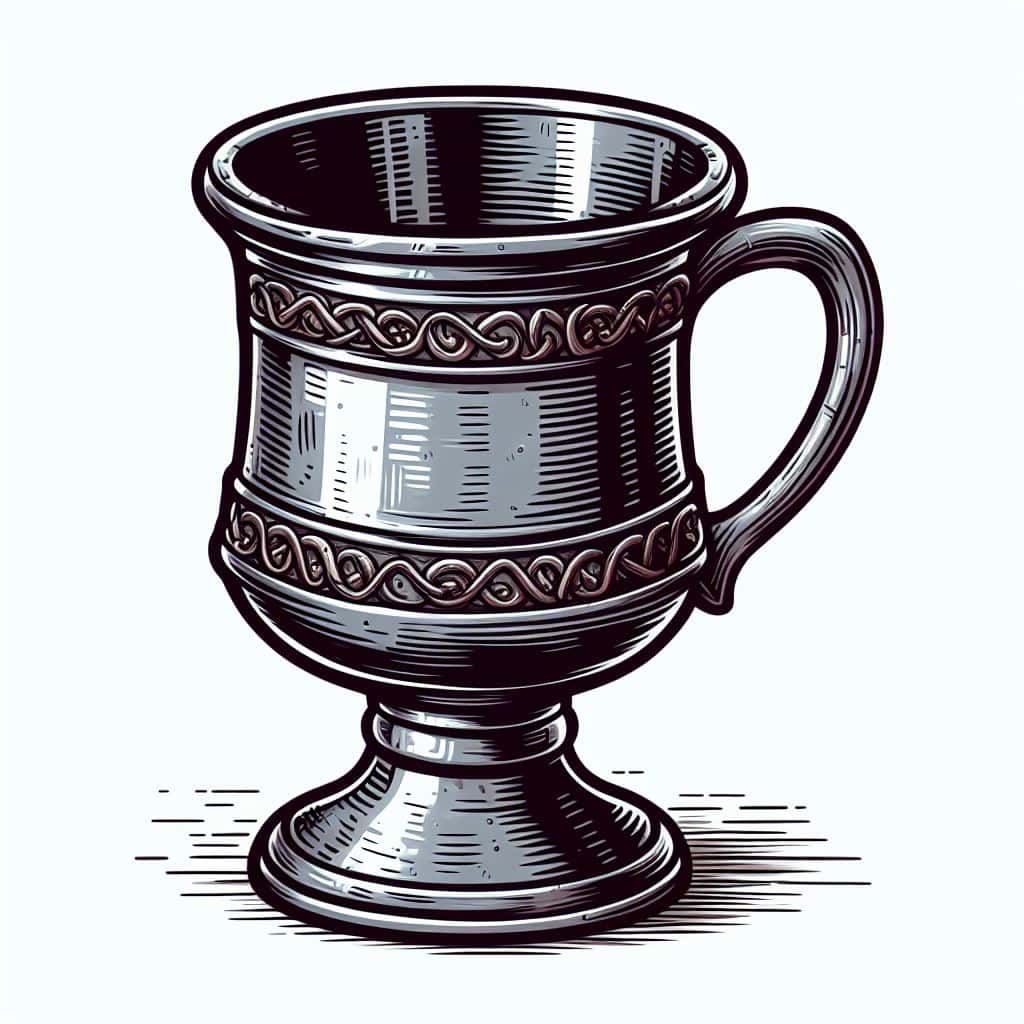
There is something special about old German pewter pieces. Their weight, detailed reliefs, traditional lettering, and often very decorative designs give them a character that modern home accessories rarely have. SKS Design 95% Zinn is a particularly interesting example of this German tradition, especially for collectors and anyone who enjoys vintage metalware as decoration.
What Does SKS Design 95% Zinn Mean?
The marking 95% Zinn means that the alloy contains 95% tin. In English, these kinds of traditional tin-based metal objects are generally described as pewter.
It is important not to read more into the marking than it tells us. The 95% figure identifies the tin content, but it does not tell us the exact composition of the remaining alloy without additional manufacturer documentation. For vintage pieces, that distinction matters.
The SKS Design marking is also useful when identifying older German pewter objects. It connects the piece to the historic SKS designware tradition from Sundern in Germany.
The History Behind SKS Design
The history behind SKS Design goes back to the Sauerland town of Sundern. The original SKS company was founded by Karl Scheffer-Klute in 1921 and was initially associated with the manufacture of bicycle pumps and related metal products.
The development toward decorative metalware began in the early 1960s. In 1961, Wilhelm Blome established the SKS-design business for the production of metal giftware. According to a later company history published in connection with blomus, this development followed the takeover of the Sauer company in Meschede, which produced brass and copper watering cans.
Zinn became particularly important during the 1970s, when decorative pewter objects were very popular in German homes. SKS was strongly involved in this market and, according to Willo Blome, became a leading European producer of decorative pewter items during that period. Typical products included decorative plates, mugs, tankards, and other objects intended for display and gifting.
The popularity of pewter declined during the 1980s. SKS-design increasingly turned toward other materials, particularly stainless steel, and the company’s later development eventually led to the creation of the blomus brand.
Why Vintage SKS Pewter Is Interesting to Collectors
Vintage SKS pewter has an appeal that goes beyond the material itself. Many pieces combine a solid metal body with detailed relief work, traditional German scenes, lettering, or decorative motifs that reflect the tastes of their time.
That makes them interesting not only to dedicated pewter collectors but also to people who simply enjoy vintage German decorative collectibles.
The exact production date of an individual SKS piece cannot always be determined from the maker’s mark alone. Although SKS was particularly active in decorative pewter during the 1970s, that does not mean that every vintage SKS Zinn object can automatically be dated to that decade. For this reason, it is better to look at the individual markings, design, construction, and condition when trying to understand a particular piece.
A Closer Look at This SKS Pewter Tankard Set
The set featured in this article consists of two matching vintage SKS Design pewter tankards. Each small tankard carries three detailed relief scenes with the German inscriptions:
DER TRÖDLER – DER FIEDLER – DER PFEIFER
The relief decoration is what makes these little pieces especially interesting. Rather than being plain drinking vessels, they are highly decorative objects with scenes and lettering worked into the metal.
Both tankards have the same motifs, making them a matching pair. Their compact size also gives them a very different character from large traditional beer steins. They work particularly well as display pieces, decorative collectibles, or conversation pieces.

Because these are pre-owned vintage objects, they may show traces of age and previous use. The pieces offered by GermanBuy are sold in the condition shown in the photographs, so the images are an important part of understanding the actual condition of this particular set.
German Pewter as Decorative Metalware
Zinn has a long history in European metalworking, and pewter objects have been made in many different forms over the centuries. German pewterware developed its own traditions, ranging from functional household objects to highly decorative pieces.
The SKS Design pieces belong to a much more recent period. They reflect the decorative pewter boom of the second half of the 20th century rather than the historic guild-made pewter of earlier centuries.
That distinction is worth remembering when looking at vintage SKS pieces. They are interesting examples of 20th-century German design and decorative culture, even when they are not particularly old in comparison with antique European pewter.
What Makes an SKS Design Piece Collectible?
There is no single feature that automatically makes a vintage pewter object valuable. Collectors usually look at several things together:
- The maker’s mark: A recognizable SKS Design marking helps identify the manufacturer.
- The material marking: The 95% Zinn designation provides useful information about the alloy.
- The design: Detailed relief scenes, unusual motifs, and traditional German lettering can make individual pieces more appealing.
- The condition: Original surfaces, decoration, and overall completeness can be important when evaluating vintage metalware.
- The overall character: Some pieces simply have a particularly attractive presence as decorative objects.
It is also important not to confuse vintage with rare or valuable. An older object is not automatically rare, and a maker’s mark alone does not establish a high monetary value. For collectors, the enjoyment of the design and the history of the object can be just as important.
Made in Germany and Marked for Its Material
For collectors interested in German-made metalware, the combination of the SKS Design marking, the 95% Zinn designation, and the German relief inscriptions makes this type of object particularly interesting.
A museum collection record from the Historisches Museum Basel also documents an SKS design pewter cup from Germany dating to the second half of the 20th century. This provides independent evidence that SKS Design pewter objects from this period have survived as collectible and museum-documented examples of German metalware.
Why I Like Old German Pewter Pieces
I have always liked these old pewter pieces as decorative objects. They have a completely different character from modern home accessories, especially when they carry detailed reliefs, traditional scenes, or old German lettering.
For me, that is a big part of the appeal of SKS Zinn. These small tankards are not simply metal cups. They are decorative pieces that reflect a style of German home decoration that has largely disappeared from everyday life.
I also like the fact that every piece has something to look at. The relief scenes invite you to take a closer look, and the old German words and motifs give the objects a distinctly traditional character. You do not have to be a serious collector to appreciate that.
A Vintage German Pewter Piece for Collectors and Decorators
The SKS Zinn 95% tankard set is therefore best understood as a vintage German decorative collectible. Its appeal comes from the combination of the SKS Design maker’s mark, the high tin content, the detailed relief work, and the traditional German scenes.
For someone building a collection of German pewter, it provides an authentic example of the decorative metalware produced by SKS Design. For someone who simply enjoys vintage German objects, it can also make an interesting display piece in a home, office, cabinet, or collection.
The two matching tankards are currently available from GermanBuy as a pre-owned set. The product page includes photographs of the actual pieces along with their dimensions and condition details.
View the SKS Design 95% Zinn Pewter Tankard Set at GermanBuy
SKS Zinn 95%: A Piece of German Design History
SKS Zinn represents a fascinating chapter in German decorative metalware. The company became closely associated with pewter during the period when Zinn was a popular material for decorative objects in German homes, particularly during the 1970s.
Today, pieces such as these small SKS Design tankards offer a glimpse into that period. They are not valuable simply because they are old, but they can be enjoyable pieces of German design history for collectors and anyone who appreciates vintage decorative objects.
That is exactly why I like them: they are small, tangible reminders of a style of German metalwork and home decoration that you do not see nearly as often anymore.
Sources & Further Reading:
iF Design: blomus Company History
Werbeartikel Nachrichten: Blomus – Die schönen Dinge des Lebens