Why Germany is More Than a Beer Country
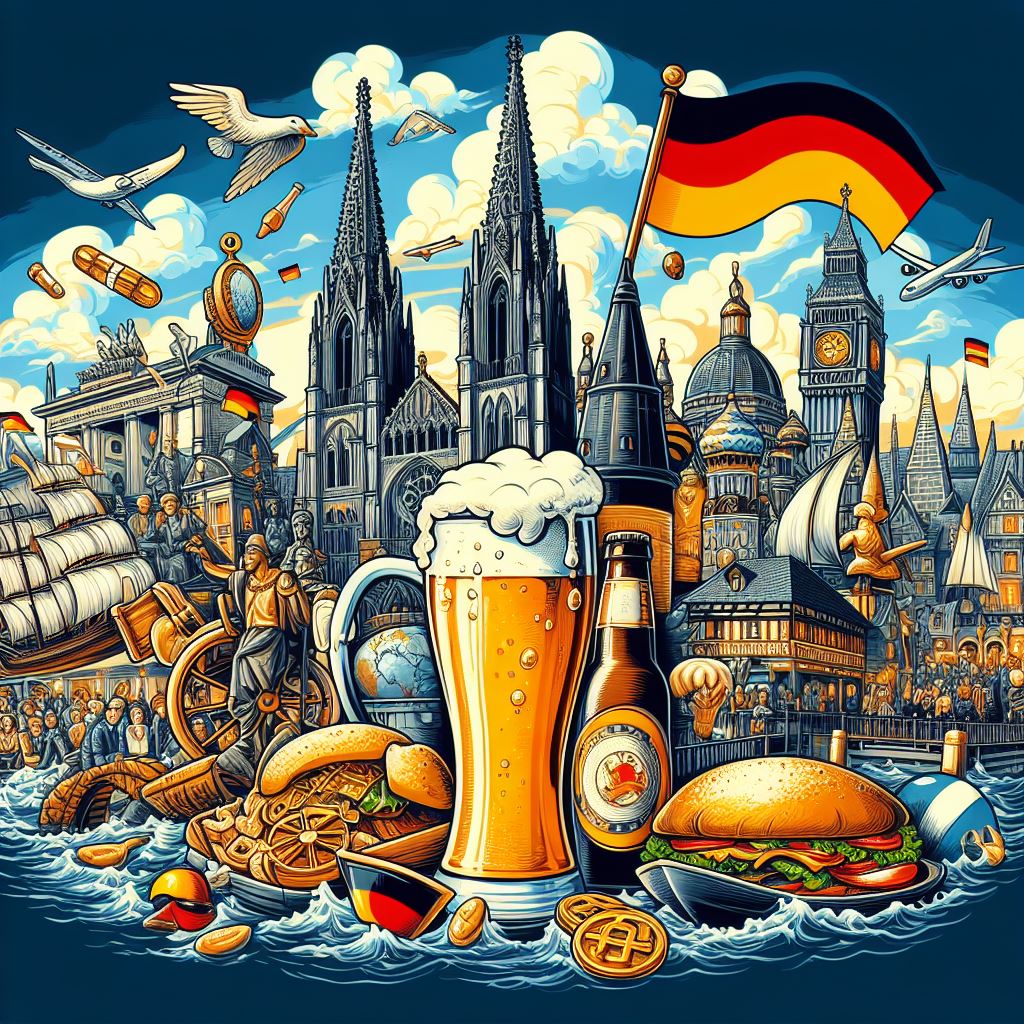
Why Germany Is More Than a Beer Country
When people think about Germany, beer is often one of the first things that comes to mind. Oktoberfest, beer gardens, steins, pretzels, and traditional breweries have all become familiar images around the world. But beer is only one part of German culture. Germany has a much broader culinary tradition, a long history of wine production, a remarkable cultural heritage, diverse landscapes, and a strong connection between tradition and modern life.
German Cuisine Goes Far Beyond Beer and Bratwurst
Beer and bratwurst may be among Germany’s most recognizable food combinations, but they represent only a small part of the country’s culinary landscape. German cuisine varies considerably from region to region, reflecting local ingredients, traditions, and history.
Depending on where you are in Germany, you might encounter dishes such as lentil soup, Sauerbraten, Maultaschen, potato specialties, regional dumplings, fish dishes, or hearty stews. There are also famous cakes and pastries, including Black Forest cake and a wide range of regional Christmas baked goods.
German food culture is therefore not one single cuisine. It is a collection of regional traditions that continue to change while remaining closely connected to local ingredients and customs.
Germany Is Also a Wine Country
Beer may receive more international attention, but Germany has a long-established wine tradition. Vineyards are found in 13 official wine-growing regions, particularly along rivers and in areas with suitable slopes and climates.
Riesling is one of the grape varieties most closely associated with German wine, but it is far from the only one. German vineyards also produce varieties such as Pinot Noir, known in Germany as Spatburgunder, as well as Silvaner, Pinot Gris, and other grapes.
The wine-growing regions have also shaped the landscapes around them. Vineyards, historic wine villages, wine estates, terraces, and seasonal wine festivals are all part of regional life in areas such as the Moselle, Rhine, Rheingau, and Franconia.
So if Germany makes you think only of beer, its wine regions offer an entirely different side of the country.
Beer Gardens Are About More Than Beer
Even when beer does enter the picture, German beer culture is about more than the drink itself. Traditional beer gardens and other outdoor gathering places are part of Germany’s social culture, particularly in Bavaria.
People meet friends, share food, talk, and spend time outdoors. The atmosphere is often more important than what is in the glass. The German word Gemutlichkeit is sometimes used to describe this feeling of comfort and conviviality, although the idea itself is not exclusive to Germany.
This social side of beer culture helps explain why beer gardens have remained popular for generations. They are places for everyday social life, not simply destinations for drinking.
Germany Has a Long Tradition of Science and Engineering
Germany’s identity is also closely connected with science, technology, engineering, and research. The country has a long history of important developments in areas ranging from industrial manufacturing and mechanical engineering to chemistry, medicine, and transportation.
Today, research institutions, universities, and companies continue to work in fields such as automotive technology, industrial engineering, environmental technology, and renewable energy.
German engineering is therefore not simply a stereotype built around cars. It is part of a much broader scientific and industrial tradition that continues into the present.
Art, Music, and Literature Are Central to German Culture
Germany’s cultural history reaches far beyond its food and drink. The country has produced influential writers, composers, artists, architects, and philosophers whose work has had an impact far beyond Germany.
Johann Wolfgang von Goethe, for example, remains one of the best-known figures in German literature. In music, composers such as Johann Sebastian Bach, Ludwig van Beethoven, and Richard Wagner are part of a musical tradition that continues to shape concert programs around the world.
Germany also has a large and varied museum scene. Berlin’s Museum Island is internationally famous, but important museums and cultural institutions can be found throughout the country, from Munich and Dresden to Frankfurt, Cologne, Hamburg, and many smaller cities.
Architecture adds another layer to this cultural picture. Medieval buildings, Baroque palaces, industrial heritage, modern architecture, and the legacy of the Bauhaus can all be found within Germany.
Germany’s Landscapes Are Remarkably Diverse
Germany is not defined by its cities or breweries either. Its landscapes range from the North Sea and Baltic Sea coasts to forests, river valleys, lake districts, and the Alps.
The Black Forest offers densely wooded hills and traditional villages, while the Bavarian Alps provide a very different landscape of mountains and alpine lakes. The Moselle and Rhine valleys are shaped by vineyards, castles, and historic towns, while northern Germany has broad coastal landscapes and lowlands.
This geographical diversity has influenced regional food, architecture, traditions, and everyday life. Germany can feel surprisingly different from one region to another.
Castles and Palaces Tell Another German Story
Germany’s castles and palaces are another reason the country cannot be reduced to its beer culture. Some date back to the Middle Ages, while others were built or redesigned during later periods.
Neuschwanstein Castle is perhaps the most internationally recognizable, but it is only one example. Germany has an extensive variety of castles, palaces, fortresses, and historic residences, each connected to a different period or region.
Some stand above river valleys or vineyards, while others are found in cities or surrounded by forests. Together, they reflect the political, architectural, and social history of the many territories that eventually became modern Germany.
Tradition and Modern Life Exist Side by Side
One of the more interesting things about Germany is that traditional culture has not simply disappeared as modern life has developed. Regional festivals, traditional foods, Christmas markets, wine festivals, folk customs, and historic crafts continue alongside modern cities, contemporary art, technology, and changing lifestyles.
The contrast can sometimes be seen within the same city. A historic old town may stand only a short distance from modern architecture, contemporary restaurants, technology companies, or creative neighborhoods.
So, Is Germany Really a Beer Country?
Germany certainly has a strong beer tradition. Its many regional brewing styles, historic breweries, beer gardens, and festivals are an important part of German culture and deserve their international reputation.
But calling Germany simply a beer country misses a great deal. Germany is also a wine country, a country of regional cuisines, forests and mountains, castles and museums, literature and classical music, science and engineering.
Perhaps that is the better way to look at Germany: beer is part of the picture, but it is far from the whole picture.
If you would like to experience some of that culinary side of Germany at home, take a look at our German food collection.