What Foods Do American Tourists Buy in Germany?
For many American visitors, a trip to Germany is about more than historic cities, castles, Christmas markets, and famous landmarks. Food is part of the experience, too. A visit to a German supermarket, bakery, market, or specialty shop can be just as interesting as a traditional restaurant.
And then there is the question of what to take home. Some German foods make memorable souvenirs, while others are best enjoyed while you are still in Germany.
German Chocolate and Sweets
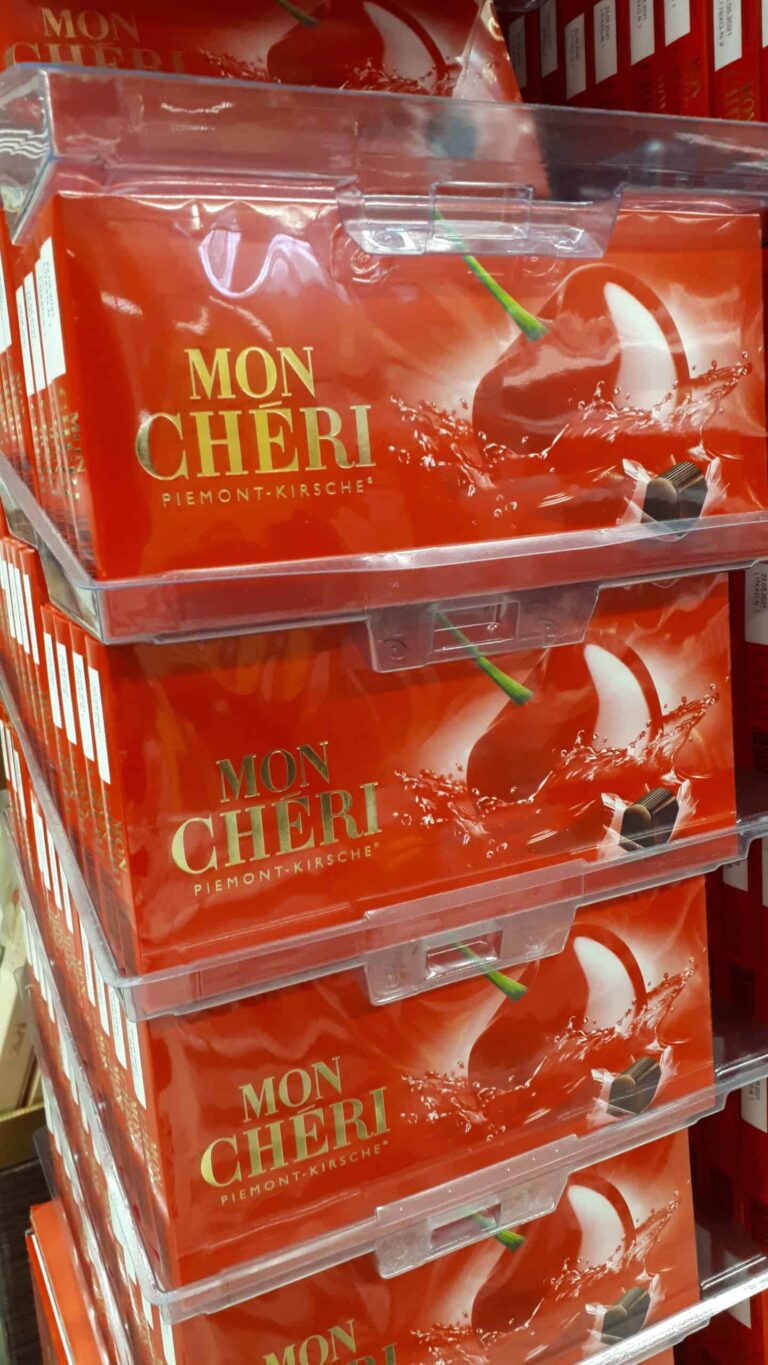
Chocolate and confectionery are among the easiest German food souvenirs to find. Supermarket shelves offer a wide range of chocolate bars, pralines, wafers, gummies, and seasonal specialties.
Names such as Ritter Sport, Milka, Lindt, and Haribo are familiar to many Americans, but the German market offers flavors, varieties, and seasonal products that visitors may not see at home.
German sweets also make practical souvenirs. Classic choices include chocolate, gummy candies, marzipan, gingerbread during the appropriate season, and a variety of wafers and biscuits.
Mustard and Other German Condiments
German mustard is another simple souvenir that can introduce a distinctly German flavor to meals back home. The selection ranges from mild and creamy varieties to stronger and spicier mustards, with regional traditions adding even more variety.
German supermarkets also offer a wide range of sauces, spreads, pickled vegetables, horseradish products, and other condiments. GermanBuy’s German mustard selection is a good place to see some of the varieties available from Germany.
For many visitors, these everyday supermarket products are part of the fun. They are not necessarily luxury souvenirs. They are things Germans actually buy and use.
German Snacks Worth Looking For
The snack aisle can be one of the most entertaining parts of a German supermarket. Besides chocolate and candy, visitors can find wafers, pretzel snacks, potato chips, crackers, cookies, and many products that may be unfamiliar to American shoppers.
Kinder chocolate bars, Milka Alpine Milk Chocolate, and Knoppers are examples of products that often attract attention. Savory snacks such as paprika-flavored chips and pretzel sticks offer a completely different taste of German everyday food culture.
One advantage of shopping this way is that you can discover foods that do not necessarily appear on a typical restaurant menu.
Bakery Favorites: Pretzels, Bread and Pastries
German bread culture is one of the country’s great culinary traditions, and visiting a local bakery can be an experience in itself. There are countless regional breads and rolls, along with pretzels and sweet pastries.
A fresh Brezel is obviously something to enjoy during the trip rather than pack into a suitcase. The same applies to many fresh bakery products. They are at their best when purchased locally and eaten soon afterward.
Other specialties, such as packaged biscuits or certain seasonal baked goods, can be much easier to take home. Stollen, for example, is a well-known German Christmas specialty that has become a popular gift and souvenir during the holiday season.
German Sausages and Meat Specialties
Visitors quickly encounter Germany’s enormous variety of sausages. Bratwurst, Bockwurst, Weisswurst, Currywurst, and many regional varieties are part of the country’s food culture.
Some are best experienced fresh at a market, restaurant, bakery, butcher shop, or street-food stand. Others are available in packaged forms.
For an American visitor, the regional differences can be particularly interesting. A sausage associated with Bavaria can be quite different from a specialty from northern Germany or another region.
GermanBuy also carries selected German sausage specialties, including Munich-style Weisswurst.
Regional Specialties Make Better Memories
One of the best things about food shopping in Germany is that there is no single list of “German food.” Regional traditions matter enormously.
A visitor in Bavaria might look for Bavarian specialties, while someone traveling through Saxony could encounter Dresden Stollen or other regional foods. In the Black Forest, Schwarzwälder Kirschtorte and local cherry specialties are part of the culinary identity. In northern Germany, the food traditions are different again.
That regional character is part of what makes German food interesting. A souvenir bought in Munich does not necessarily tell the same story as one bought in Hamburg, Cologne, Dresden, or the Black Forest.
If you want a broader introduction to Germany’s regional and traditional cuisine, take a look at our guide to the most popular German foods and must-try specialties.
What About German Cheese and Dairy Products?
German supermarkets and cheese counters offer plenty of dairy products, including regional cheeses, quark, yogurt, and other specialties. These can be fun to try during the trip, especially when shopping at a local market or specialty store.
For many visitors, these products are simply another way to experience the variety of everyday German food. A local cheese, a creamy quark specialty, or a regional dairy product can offer a very different experience from the foods most commonly associated with Germany abroad.
Seasonal German Foods
Some of the most interesting German supermarket finds change with the season.
During the Christmas season, shelves fill with products such as Lebkuchen, Stollen, marzipan, chocolate specialties, and Advent products. Easter brings its own selection of chocolate and seasonal sweets.
Summer and autumn have different specialties, while regional festivals can bring temporary products and packaging that are not available throughout the year.
For visitors, this seasonal aspect can make supermarket shopping surprisingly rewarding. You may find something that simply was not on the shelves during your previous trip.
German Drinks and Beer
Beer is an obvious part of German food culture, with regional brewing traditions ranging from Pilsner and Helles to Weissbier, Dunkel, and many local specialties.
For many American visitors, however, the more interesting experience is trying the drink where it belongs — in a German restaurant, beer garden, brewery, or local festival. A traditional beer and a fresh pretzel can be more memorable than a bottle packed into a suitcase.
German wine and regional non-alcoholic drinks can also be worth exploring, depending on where you travel.
Food Isn’t the Only German Souvenir
Not everything that American visitors take home from Germany has to be edible. A trip can also inspire people to look for objects that preserve a memory of the place they visited.
Traditional German souvenirs can include beer mugs, regional crafts, Christmas ornaments, cuckoo clocks, decorative items, and other pieces connected to German culture. For collectors, Germany also offers a wide range of vintage and contemporary objects that have nothing to do with food.
GermanBuy has a dedicated Collectibles category for people interested in German items beyond food and everyday products.
What Makes a Good German Food Souvenir?
The best souvenir is not necessarily the most expensive one. Often, it is something that reminds you of a particular place, meal, or moment from the trip.
Packaged chocolate from a supermarket can bring back memories of an afternoon spent shopping in Germany. A regional specialty can remind you of a particular city. A jar of mustard may bring back the taste of a meal you had at a local restaurant.
That is one reason everyday German foods can make such good souvenirs. They are connected to ordinary life rather than only to tourism.
A Taste of Germany to Take Home
For American travelers, part of the fun of visiting Germany is discovering what Germans actually eat and buy in everyday life. Some things belong on the restaurant table, some are best enjoyed fresh from a bakery, and others make a memorable addition to the suitcase.
Chocolate, sweets, mustard, packaged snacks, regional specialties, and seasonal foods are all possibilities. And sometimes the most interesting purchase is something you had never heard of before you walked into a German supermarket.
That is perhaps the best part of food shopping in Germany: you do not have to follow a souvenir checklist. Take a look around, read the labels, try something unfamiliar, and let the trip introduce you to a part of German food culture that you might otherwise miss.
Further Reading: