
German Beer: Different Types, Tastes, and Culture

German beer is closely connected with regional traditions, local breweries, food, and social life. From a crisp Pilsner in northern Germany to a wheat beer in Bavaria or a smoky Rauchbier in Bamberg, the country’s beer culture is remarkably diverse.
Beer and Everyday Life in Germany
Beer has long been part of social life in many parts of Germany. Beer gardens, traditional taverns, brewery restaurants, festivals, and local celebrations provide places where people meet over a glass of beer and a meal.
That does not mean that every German drinks beer regularly or that beer defines everyday life throughout the country. What makes German beer culture interesting is the strong connection between local brewing traditions and regional identity.
A beer served in Cologne can be quite different from one found in Munich, Bamberg, or Bremen. In many places, the local beer is part of what makes the region distinctive.
What Is the German Beer Purity Law?
The Reinheitsgebot, commonly translated as the German Beer Purity Law, is one of the most famous chapters in German brewing history. The best-known version dates to 1516, when the Bavarian brewing regulation specified that beer was to be brewed using barley, hops, and water.
Yeast was not listed because its role in fermentation was not yet understood in the modern scientific sense. Brewers knew from experience that fermentation happened, but the nature of yeast remained unknown.
The historical Reinheitsgebot has since become closely associated with the image of German brewing. Modern German beer regulations are more complex than the original 1516 wording, and brewing today takes place within a broader legal framework.
For beer drinkers, the historical importance of the Reinheitsgebot is perhaps best understood as part of Germany’s long brewing tradition rather than as a simple rule that explains every German beer made today.
German Beer Styles
German beer is not one single style. Brewing traditions vary considerably from region to region, and even beers within the same broad category can differ in color, bitterness, malt character, aroma, body, and finish.
Pilsner
Pilsner is one of the most widely recognized German beer styles. It is generally pale, crisp, and refreshing, with noticeable hop bitterness and a clean finish. German Pilsners are often associated with northern and central Germany, although the style is enjoyed throughout the country.
Dunkel
Dunkel is a traditional dark lager with a pronounced malt character. Depending on the beer, you may notice toasted, caramel-like, or lightly roasted flavors. Bavarian Dunkel is particularly associated with southern Germany and offers a very different experience from a pale Pilsner.
Weissbier
Weissbier, also known as wheat beer or Weizenbier, is especially associated with Bavaria. It is brewed with a significant proportion of wheat malt and is usually pale, cloudy, and highly carbonated.
Traditional Bavarian Weissbier often has distinctive fruity and spicy aromas. Banana and clove are commonly associated with the character produced by the yeast used in this style.
Rauchbier
Rauchbier, or smoked beer, is strongly associated with Bamberg in Franconia. Traditionally, the malt is exposed to smoke during the malting process, giving the finished beer a distinctive smoky aroma and flavor.
Rauchbier is very different from the cleaner profile of a Pilsner or the fruity character of a Weissbier. For some drinkers it takes a little getting used to, while others appreciate its unusual depth.
Other German Beer Styles
These four styles are only a starting point. Germany also has Altbier, Kölsch, Helles, Bock, Schwarzbier, Kellerbier, Märzen, Berliner Weisse, and many other regional and traditional varieties.
Some styles are closely associated with particular cities or regions, while others are brewed more widely. That variety is one of the reasons German beer is worth exploring beyond the familiar names.
Regional Beer Traditions
Germany’s beer map is almost as interesting as its geographic map. Different regions developed their own brewing traditions, serving customs, and preferred styles.
Bavaria and Weissbier
Bavaria is particularly famous for Weissbier, but the region is also home to Helles, Dunkel, Bock, Märzen, and many local specialties. A traditional Bavarian beer garden is as much about the setting and food as it is about the beer itself.
A Weissbier served alongside a fresh pretzel is a classic combination. GermanBuy’s selection of German pretzels offers a taste of the kind of food often associated with German beer culture.
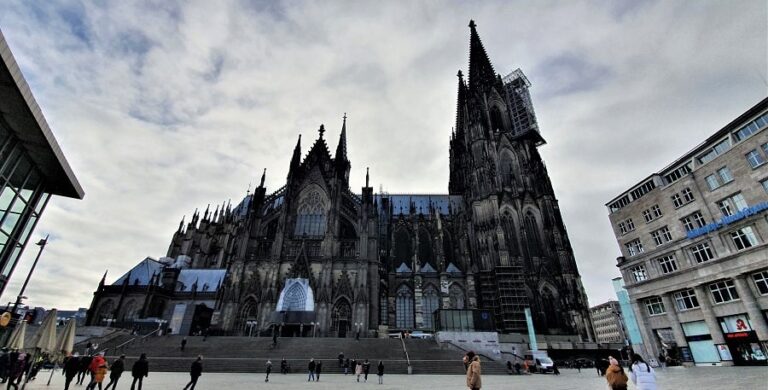
Cologne and Kölsch
Cologne has its own distinctive beer tradition: Kölsch. This pale, top-fermented beer is traditionally served in small, cylindrical glasses known as Stangen.
Kölsch is more than just a beer style in Cologne. The way it is served and enjoyed is part of the local drinking culture, making it a good example of how closely beer can be connected to regional identity.
Bamberg and Rauchbier
Bamberg in Franconia is famous for its Rauchbier tradition. The smoky character of these beers makes them immediately recognizable and gives the city a particularly distinctive place on Germany’s brewing map.
Beer and German Food
Beer and food have long been closely connected in German culinary traditions. The right pairing can highlight the malt, bitterness, sweetness, acidity, or roasted character of a beer.
A crisp Pilsner can work well with salty snacks and lighter dishes. Weissbier is a natural companion to Bavarian specialties, while a malty Dunkel can stand up to heartier foods. Smoked beer offers an especially interesting match with grilled, roasted, or smoked dishes.
Traditional pairings do not have to be complicated. A cold beer, a fresh pretzel, and a simple meal can be enough to experience an important part of German food culture.
German sausages are another familiar combination. Regional specialties such as Munich-style Weisswurst are closely associated with Bavarian food traditions.
Beer Gardens, Breweries, and Festivals
German beer culture extends well beyond the beer itself. In Bavaria, beer gardens provide a traditional setting for meeting friends, eating a meal, and spending time outdoors. Other regions have their own brewery restaurants, beer halls, taverns, and local festivals.
Beer festivals add another dimension. The most famous example is Oktoberfest in Munich, but communities throughout Germany hold their own festivals celebrating local beer, food, music, and regional traditions.
For visitors, these settings can provide a very different experience from simply ordering a German beer in a restaurant outside Germany. The atmosphere, food, glassware, serving customs, and local surroundings all become part of the experience.
What Does German Beer Taste Like?
There is no single answer because German beer encompasses so many styles.
A Pilsner may taste crisp and bitter. A Helles tends to emphasize a softer malt character. Weissbier can be fruity and spicy. Dunkel brings deeper malt and toasted notes, while Rauchbier adds a distinctive smoky character.
Even within the same style, breweries can produce noticeably different beers. Water, malt, hops, yeast, brewing methods, fermentation, and maturation all contribute to the final character.
That is why trying several regional beers can tell you much more about German brewing than judging the country’s beer by a single style.
German Beer Is a Regional Story
One of the most interesting things about German beer is the connection between a beer and the place where it is brewed. Cologne has Kölsch. Bamberg has Rauchbier. Bavaria is strongly associated with Weissbier and Helles. Other regions have their own specialties and brewing traditions.
These local identities have developed over generations, and many breweries remain closely connected to their communities.
For anyone interested in German culture, beer therefore offers more than a list of styles. It provides another way to understand the differences between Germany’s regions.
German Beer Beyond Oktoberfest
Oktoberfest may be the best-known German beer celebration around the world, but it represents only one part of the country’s beer culture.
German brewing traditions can be found in small towns, historic breweries, neighborhood restaurants, beer gardens, and local festivals throughout the country. The experience can be as simple as sitting down for a regional beer with a meal or as lively as joining a traditional festival.
GermanBuy’s Oktoberfest collection brings together German foods and specialties associated with the famous Bavarian celebration.
A Beer Tradition With Many Faces
German beer is often associated with purity, tradition, and centuries of brewing history, but its real character lies in its diversity. Pilsner, Weissbier, Dunkel, Rauchbier, Kölsch, Helles, Bock, and many other styles each tell a different regional and brewing story.
That variety is what makes German beer culture so interesting. Whether enjoyed in a beer garden, alongside a traditional meal, at a local brewery, or during a festival, German beer is closely tied to the places, people, and food that surround it.
And once you start looking beyond the most familiar German beer styles, there is an entire brewing landscape waiting to be tasted.





One Comment
Comments are closed.