Ossi Cola: A Taste of Nostalgia from the East
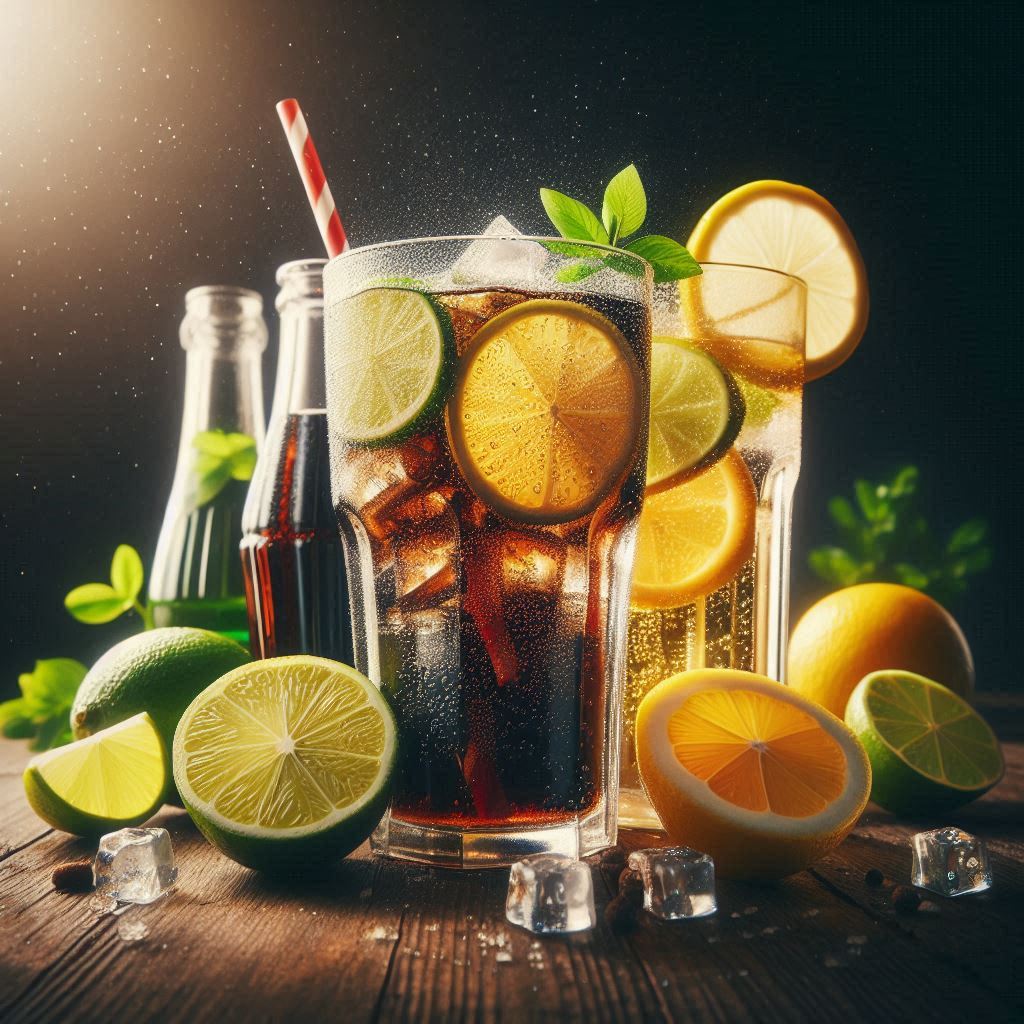
Ask someone in Germany about Ossi Cola, and the answer may not be quite as simple as the name suggests. “Ossi Cola” is not the official name of one particular soft drink. The expression is commonly used in connection with cola brands from the former East Germany, especially VITA COLA and Club Cola.
Today, both brands are still available in Germany. Their continued presence is interesting not only from a beverage perspective, but also because these drinks are connected with memories of everyday life in the former German Democratic Republic (GDR) and with the cultural phenomenon known as Ostalgie. GermanBuy offers both VITA COLA Original and Club Cola Original.
What Does “Ossi Cola” Mean?
The word “Ossi” is an informal German term associated with people from the former East Germany. In the context of food and drinks, it can also be used when talking about products that originated in the former GDR.
That is why “Ossi Cola” is better understood as a cultural expression than as the name of a single drink. VITA COLA and Club Cola are two of the best-known examples of East German cola, but they have different histories and their own distinctive flavor profiles.
For an international audience, this distinction is important. There was no single beverage officially called “Ossi Cola.” Instead, the expression refers to the wider group of cola products associated with East German history and the memories surrounding them.
VITA COLA: A Cola From East Germany
The story of VITA COLA began in the 1950s. In 1956, the government of the GDR called for improvements in the supply of non-alcoholic beverages. The Chemische Fabrik Miltitz was subsequently commissioned to develop a cola drink that could compete with the Western cola available in West Germany.
Dr. Hans Zinn, head of the essences department at Chemische Fabrik Miltitz, developed the recipe in 1957. The distinctive formulation combined citrus essential oils, vanilla, kola nut, caffeine, and vitamin C.
In October 1958, the Landesbrauerei Leipzig began bottling the drink. The VITA COLA trademark was then filed with the GDR’s Office for Inventions and Patents in November of that year.
VITA COLA was subsequently produced by numerous state-owned beverage operations. A concentrate, known as the base substance, was supplied to the individual bottlers, who prepared the finished drink and often used their own labels. The bottles and labels could therefore look different from one region to another while the basic flavor remained consistent.
What Made VITA COLA Different?
VITA COLA was created as a domestic alternative to the Western cola brands available in West Germany, but it developed its own character rather than simply copying them.
Its most recognizable feature is its citrus-forward flavor. The combination of citrus notes with the cola base gives VITA COLA a profile that many people immediately recognize as different from more conventional cola drinks.
The modern VITA COLA Original continues this flavor tradition. For people who remember the drink from earlier decades, that distinctive taste is an important part of its identity. For those discovering it for the first time, the citrus character is one of the easiest ways to understand why the brand has maintained such a loyal following.
Club Cola: Another GDR Original
VITA COLA was not the only cola created in East Germany. Club Cola appeared in 1967 after the GDR government commissioned the development of another domestic cola beverage.
Club Cola developed a flavor profile of its own and quickly became a familiar soft drink in East Germany. Its slightly caffeinated, full-bodied character distinguished it from other cola drinks available at the time.
The brand became particularly associated with younger consumers and developed a strong following. Its history, however, changed dramatically after German reunification.
What Happened to East German Cola After Reunification?
The political and economic changes of 1989 and 1990 transformed the German food and beverage market. Products from the former GDR suddenly faced competition from a much wider range of Western and international brands.
VITA COLA disappeared from East German store shelves in 1990 as Western cola brands entered the market. Club Cola also disappeared from the shelves in the early 1990s.
The change was about more than the taste of individual drinks. Consumers were suddenly confronted with products that had previously been difficult or impossible to buy, and many familiar East German brands lost their former position in the market.
VITA COLA Makes a Comeback
VITA COLA returned to the German market in 1994. Thüringer Waldquell Mineralbrunnen GmbH relaunched the brand using its original design and the characteristic taste associated with VITA COLA.
The comeback gave consumers the opportunity to buy a product that had been part of everyday life before reunification. As interest in East German products grew during the 1990s, VITA COLA once again became an established brand.
Its later development shows that the story did not end with the return of the original product. VITA COLA expanded its range and gradually became available beyond its traditional eastern German market.
Club Cola Returns, Too
Club Cola also returned after its disappearance from the market. In 1992, the brand made a comeback under new ownership through Spreequell Mineralbrunnen GmbH.
The timing was significant. During the 1990s, interest in familiar products from the former East Germany was growing, and Club Cola became part of that renewed interest.
Today, Club Cola is still presented as a distinctive German cola with its own flavor and history. Its survival illustrates how an established regional brand can find a new place in a very different market.
Ostalgie and East German Products
The renewed interest in brands such as VITA COLA and Club Cola is often discussed in connection with Ostalgie. The word combines Osten, meaning “East,” with Nostalgie, meaning “nostalgia.” It describes a form of remembrance associated with aspects of life in the former East Germany.
Everyday products became part of this process because they were tangible reminders of a familiar period. Food, drinks, packaging, household products, and other consumer goods could evoke memories of ordinary life that had changed rapidly after reunification.
A bottle of cola could therefore mean more than its ingredients or packaging. For someone who grew up with the product, its taste might be connected with childhood, family life, school years, holidays, or other personal memories.
At the same time, remembering individual East German products should not automatically be interpreted as nostalgia for the political system of the GDR. Product nostalgia and political nostalgia are not the same thing. The continued interest in these brands is better understood as part of the complicated relationship between German reunification, memory, identity, and everyday culture.
Why East German Cola Still Has a Following
There is a straightforward reason these drinks continue to attract attention: they have recognizable flavors that are different from many international cola brands.
But taste is only part of the story. Unlike a newly introduced soft drink, VITA COLA and Club Cola already have a history. Their names, packaging, and distinctive flavors connect today’s products with a particular chapter of German consumer history.
That combination makes East German cola interesting even for people who did not grow up with it. For younger Germans and international visitors, the drinks offer a small and accessible introduction to an aspect of German history that can otherwise seem distant.
VITA COLA and Club Cola Today
Both brands have survived well beyond the political system in which they were created. VITA COLA continues to be produced in Germany, and Club Cola remains available as a modern German soft drink.
The brands have changed in some respects, particularly in packaging, product ranges, and marketing. Their historical identity, however, remains an important part of how they are recognized.
For today’s consumer, buying VITA COLA or Club Cola does not necessarily have anything to do with nostalgia. It may simply be a preference for the taste. For someone who remembers these drinks from the GDR, however, the same bottle can carry a much more personal meaning.
A Small Bottle With a Bigger Story
That is perhaps what makes “Ossi Cola” so interesting. A cola bottle seems like an ordinary everyday object, yet products such as VITA COLA and Club Cola have passed through one of the most significant periods in modern German history.
They were created in the GDR, experienced a dramatic change in fortunes after reunification, and eventually returned as recognizable parts of German food and beverage culture. Their stories also show how memories can survive through familiar tastes and everyday products.
For anyone interested in German food culture, East German cola offers a fascinating reminder that history is not found only in museums or monuments. Sometimes it can also be found in something as ordinary as a bottle of cola.
Sources & Further Reading:
German Patent and Trade Mark Office (DPMA): VITA COLA
VITA COLA: The History of the Brand
Spreequell: Club Cola