German Butterbrot: A Slice of Tradition and Taste
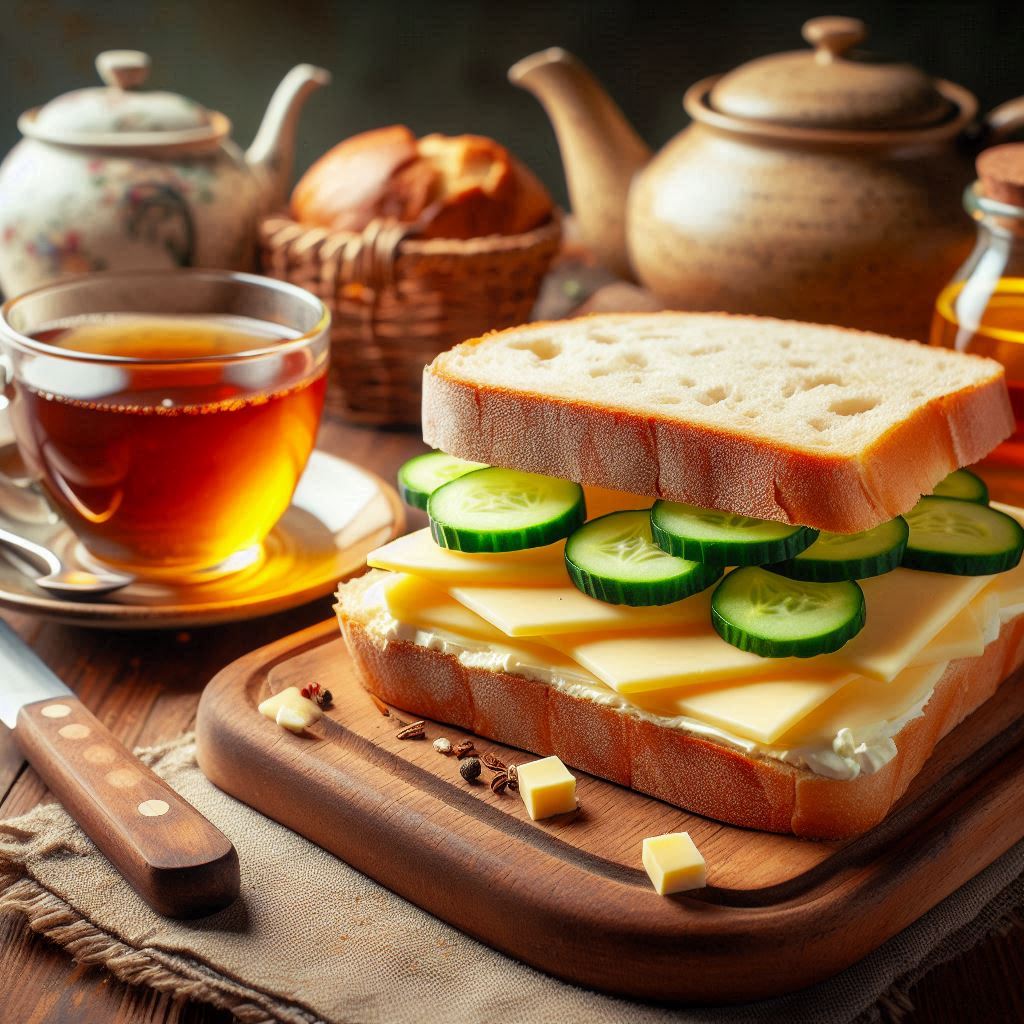
A slice of good German bread, a little butter, and perhaps a favorite topping. It sounds almost too simple to deserve its own place in food culture, yet the Butterbrot has been part of everyday life in Germany for centuries.
What makes it interesting is not a complicated recipe but the combination of excellent bread and endless possibilities. A Butterbrot can be a simple breakfast, a packed lunch for school or work, a quick evening meal, or a small snack between meals. If you want to understand why bread matters so much in Germany, the Butterbrot is a good place to start. I have also written more about its cultural history and tradition in a separate article.
What Is a German Butterbrot?
The word Butterbrot literally means “butter bread.” Traditionally, it starts with a slice of bread spread with butter. It can be enjoyed just like that, but it is often topped with cheese, cold cuts, vegetables, jam, or other spreads.
For an English-speaking reader, “bread and butter” is the closest literal translation, while “open-faced sandwich” describes many of the versions served in Germany today. The important difference is that a Butterbrot does not need to be elaborate. One good slice of bread can be the whole meal.
Regional names make the tradition even more interesting. In Berlin, for example, you may hear Stulle, while other regions have their own names for a slice of bread with toppings. The basic idea remains remarkably similar.
Why Bread Matters So Much in Germany
You cannot really understand the Butterbrot without looking at German bread culture. Germany is known for an unusually broad range of breads, from dark rye loaves and sourdough breads to wheat and mixed-grain varieties.
German bread culture was added to the nationwide inventory of intangible cultural heritage in Germany in 2014. Today, official German sources refer to more than 3,000 different types of bread and baked goods, although the exact number depends on how individual varieties are counted.
That variety gives the Butterbrot an advantage: the same simple idea can taste completely different depending on the bread underneath it.
Butter or Margarine?
The traditional name puts butter at the center, but everyday German bread culture has never been limited to one spread.
- Butter: Rich, creamy, and especially good with hearty rye or sourdough bread.
- Margarine: A common alternative that can be used in exactly the same way.
- Fresh cheese: Cream cheese and other soft spreads create a lighter base for vegetables or herbs.
- Mustard and other spreads: Often used together with savory toppings rather than as a replacement for butter.
There is no single rule. Some people spread butter generously, while others prefer only a thin layer or skip it altogether when using another spread.
Popular Butterbrot Toppings
This is where the simple slice of bread becomes part of everyday German food culture. The topping can change with the time of day, the season, or simply whatever happens to be in the refrigerator.
- Cheese: Mild or mature cheeses work especially well with hearty German breads.
- Cold cuts: Ham, salami, roast meat, and other sliced meats are classic savory toppings.
- Cucumber and tomato: Fresh vegetables add color, crunch, and a lighter character.
- Boiled egg: Sliced egg is a familiar addition to many open-faced German breads.
- Herbs: Chives, parsley, and other fresh herbs can turn a simple Butterbrot into something more distinctive.
- Sweet spreads: Jam, honey, or Nutella can turn buttered bread into a sweet breakfast or snack.
Some combinations are very simple. A slice of dark bread with butter and cheese can be completely satisfying without adding anything else. Others become more elaborate with several toppings and fresh vegetables.
When Do Germans Eat Butterbrot?
There is no specific meal reserved for Butterbrot. It can appear throughout the day.
- Breakfast: Bread with butter, cheese, cold cuts, jam, or other toppings is a familiar German breakfast option.
- School and work: A packed Butterbrot is an easy meal to take along.
- Afternoon snack: A smaller slice can bridge the gap between meals.
- Evening: Bread, cold cuts, cheese, and vegetables can form a simple Abendbrot, the traditional German evening meal based around bread.
This everyday flexibility is one reason the Butterbrot has remained relevant even as eating habits have changed. It does not require a recipe, a kitchen full of ingredients, or much preparation.
Choosing the Right German Bread
The bread often determines the entire character of the Butterbrot. A mild wheat bread produces a very different result from a dense rye loaf or a grain-filled sourdough.
- Rye bread (Roggenbrot): Darker, more substantial, and often slightly tangy.
- Rye-wheat bread (Roggenmischbrot): A balanced combination of rye and wheat with a hearty flavor.
- Whole-grain bread (Vollkornbrot): Dense and substantial, often containing whole grains or seeds.
- Wheat-rye bread (Weizenmischbrot): Usually milder than a strongly rye-based loaf.
- Multigrain bread (Mehrkornbrot): Made with different grains and often sunflower, pumpkin, or other seeds.
- Pumpernickel: A dark Westphalian rye bread with a distinctive dense texture and deep flavor.
- Toast bread (Toastbrot): Softer and lighter, particularly suitable for people who prefer a mild Butterbrot.
German bread culture is far too diverse to reduce the Butterbrot to one particular loaf. The beauty of it is precisely the variety.
A Simple German Butterbrot Recipe
There is no complicated recipe to follow. The quality of the ingredients is what makes the difference.
Ingredients
- 1 slice of good German bread, such as rye, rye-wheat, whole-grain, or sourdough bread
- Butter, softened enough to spread easily
- Your choice of cheese, cold cuts, vegetables, herbs, or sweet spread
- A small pinch of salt, if desired
How to Make It
- Slice the bread to your preferred thickness.
- Spread the butter evenly over the bread.
- Add one or two toppings of your choice.
- Finish with fresh vegetables, herbs, or a little salt if desired.
- Enjoy immediately or pack it for later.
There is no need to toast the bread. In fact, a good German loaf with a firm crust and flavorful crumb is often best enjoyed as it is.
Butterbrot Is More Than a Sandwich
For an international reader, it is tempting to compare Butterbrot with an American sandwich. There is certainly an overlap, but the idea is somewhat different.
A sandwich often suggests several ingredients between two slices of bread. A Butterbrot can be much simpler: one slice, butter, and perhaps a single topping. The bread itself is allowed to remain part of the experience rather than simply serving as a container for the filling.
That is also why German bread culture matters so much here. When the bread has a strong flavor and a distinctive texture, very little is needed on top.
From a Simple Slice to Everyday German Food Culture
The Butterbrot does not need to be sophisticated to be meaningful. Its strength is that it fits almost anywhere in everyday life. A child can take one to school, an office worker can pack one for lunch, and a family can put bread, cheese, cold cuts, and vegetables on the table for an uncomplicated evening meal.
There is something very German about that combination of simplicity and variety. The basic idea hardly changes, while the bread, toppings, regional names, and personal preferences can change endlessly.
That is what makes the Butterbrot worth more than a quick translation of “bread and butter.” It is a small piece of everyday German food culture, built around one of the country’s most important foods: bread.
Sources & Further Reading:
Deutschland.de – The German Butterbrot: Bread and Butter
Deutschland.de – German Bread and Bread Culture
Goethe-Institut – German Bread: A Nourishing Craft