What Germans Drink During the Day: From Coffee to Sparkling Water
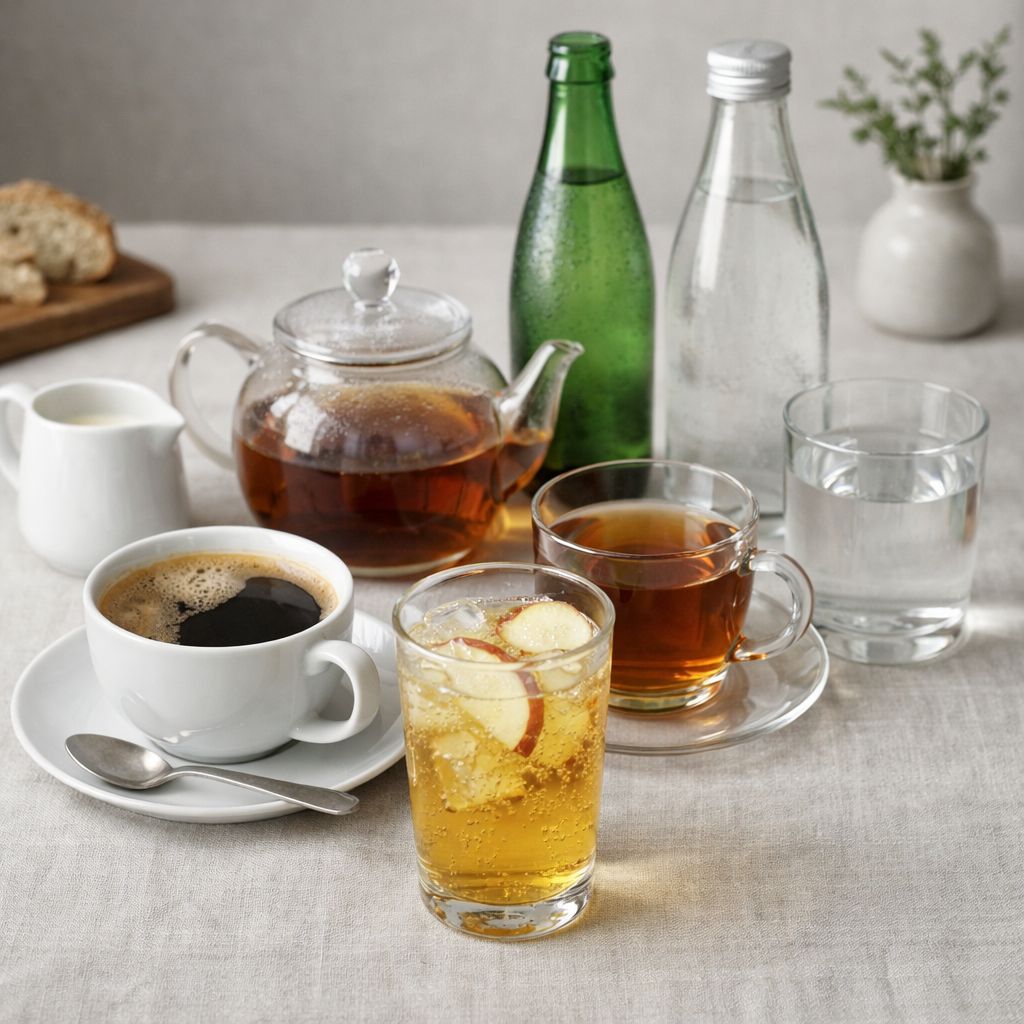
When I think about everyday drinking habits in Germany, I think of the simple routines that carry a day along: coffee in the morning, mineral water during the day, and a cup of tea when evening comes. These choices may seem ordinary, but they say quite a bit about daily life in Germany.
My own routine is straightforward. I need my first coffee in the morning to wake up properly. During the day, I often reach for sparkling mineral water, which we commonly call Sprudel. In the evening, I like to slow down with peppermint tea, sometimes with a paper-thin slice of fresh ginger. That is what works for me, of course. Other people have their own preferences.
Across Germany, coffee, tea, mineral water, juice, soft drinks, and fruit spritzers are familiar parts of daily life. Beer and wine belong to the picture, too, but they are only one part of it. Here is a closer look at what people drink at home, at work, with meals, and when they take a break.
Coffee: A Familiar Start to the Day
For many people in Germany, the day begins with coffee. I am certainly one of them. That first cup is less about ceremony than about getting started. Some people drink it quickly before leaving home, while others take their time over breakfast.
There is no single German way to prepare coffee. Filter coffee remains familiar in many households, while fully automatic machines, espresso machines, capsule systems, and instant coffee offer other options. At work, an office coffee machine may be part of the daily routine. On the way to work, a takeaway cup can be the practical choice.
The way people take their coffee varies just as much. Some prefer it black, while others add milk, sugar, or both. The choice usually comes down to personal taste and habit. Whatever the preparation, coffee remains a familiar feature of everyday life in Germany.
Coffee Breaks and Kaffee und Kuchen
Coffee is not limited to breakfast. It also marks a pause during the working day and gives friends or colleagues a reason to sit down together. In Germany, coffee often accompanies a slice of cake or a pastry, whether at home, in a bakery, or in a cafe.
One well-known tradition is Kaffee und Kuchen, literally coffee and cake. It can be a relaxed afternoon get-together rather than a formal occasion. The idea is simple: take a little time, enjoy something sweet, and have a conversation.
That combination of coffee and a pause is one reason the drink remains so visible in German daily life. It serves a practical purpose, but it also brings people together.
If you enjoy German coffee at home, you can browse the coffee selection at GermanBuy.
Tea: From Regional Traditions to Evening Cups
Tea is another familiar part of German life, although its role varies from one household to another. Some people drink it in the morning instead of coffee. Others reach for a cup in the afternoon or evening, when they want a warm drink without another coffee.
Black tea and green tea are made from the leaves of the tea plant. Herbal and fruit infusions are also widely enjoyed in Germany and are commonly called Tee in everyday conversation, even though they are not technically tea made from that plant.
East Frisia and Its Tea Culture
One of Germany’s best-known regional tea traditions comes from East Frisia in the northwest. East Frisian tea is traditionally strong black tea served with rock sugar and cream. The custom is associated with hospitality and taking time to sit together, rather than simply drinking something hot.
This regional tradition does not mean everyone in northern Germany drinks tea all day, or that tea is unimportant elsewhere. It is a good example of how a drink can become part of a region’s identity and remain familiar across generations.
My Evening Cup
In the evening, I often prefer peppermint tea. Sometimes I add a very thin slice of fresh ginger. I enjoy the fresh, slightly spicy taste, and making a cup gives me a simple way to slow down at the end of the day.
People choose tea for different reasons. Some enjoy the flavor, others appreciate a warm drink, and some prefer caffeine-free herbal infusions later in the day. There is no single routine that fits every household.
Mineral Water: Still or Sparkling?
Water is an everyday essential, but in Germany the choice between still and sparkling water can be surprisingly important. Sparkling mineral water has a particularly strong place in German drinking culture. It is served at home, in restaurants, at work, and with meals.
I usually prefer sparkling mineral water during the day. The bubbles make it feel different from still water, even though both serve the same basic purpose. In everyday conversation, sparkling water is often called Sprudel, although the terminology can vary by region and household.
Different Levels of Carbonation
German shops offer mineral water with different levels of carbonation. Some varieties are strongly sparkling, others have less fizz, and some are still. Labels may use terms such as Classic, Medium, and Naturell, depending on the brand.
That variety matters because there is no universal preference. One person may want plenty of bubbles with lunch, while another finds still water more pleasant. Both choices are perfectly normal.
Mineral water is also a familiar sight on German dining tables. It can be served on its own or alongside a meal, and restaurants commonly offer still and sparkling options. For visitors, knowing the difference can be useful when ordering water in Germany.
Juice and Apfelschorle: A German Everyday Favorite
Fruit juice is familiar in German households, particularly at breakfast and during family meals. Orange juice and apple juice are common choices, but one drink deserves special attention: Schorle.
A Schorle combines juice with sparkling water. The best-known example is Apfelschorle, made with apple juice and sparkling water. It offers a different balance from drinking pure juice, with the amount of fizz and fruit flavor depending on how it is mixed.
For many people in Germany, Apfelschorle is an everyday refreshment rather than something unusual. It can be served at home, ordered in a restaurant, or bought ready-mixed in a bottle. At home, it is easy to adjust the proportions of apple juice and sparkling water to suit your own taste.
The word Schorle is not limited to apple juice. Other juice-and-water combinations exist, too. When the drink is specifically made with apple juice, the name Apfelschorle makes that clear.
If you would like to try a ready-to-drink version, GermanBuy carries Lift Apfelschorle. It is a familiar option for anyone curious about this German-style apple spritzer.
Cola and Other Soft Drinks
German drinking habits are not limited to coffee, tea, and water. Cola, orange soda, lemon-lime drinks, and other soft drinks are also part of the picture. People may choose them with a casual meal, when meeting friends, or simply because they enjoy something sweet and carbonated.
One example with a distinctly German identity is Vita Cola. The brand is particularly associated with eastern Germany and has a distinctive place in the country’s soft-drink landscape. Its flavor differs from some internationally familiar colas, making it an interesting option for anyone curious about German brands.
Of course, soft drinks are not an everyday choice for everyone. Some people prefer regular varieties, while others choose reduced-sugar or sugar-free options. The selection available in German supermarkets reflects these different tastes.
Beer, Wine, and Other Alcoholic Drinks
When people outside Germany think about German drinks, beer often comes to mind first. Beer is certainly an important part of the country’s food culture and social life, but it would be misleading to suggest that every German drinks it regularly.
Beer appears in many settings, from beer gardens and local festivals to meals with friends. Regional brewing traditions also play a role in Germany’s identity. Depending on where you are, the local beer styles and the way people talk about them can differ considerably.
Wine is another part of German drinking culture, particularly in wine-growing regions such as the Moselle and Rhine valleys. Wine spritzers, made by mixing wine with sparkling water, are also familiar in some settings.
For many adults who drink alcohol, beer and wine are associated with meals, weekends, celebrations, or social occasions. Others do not drink alcohol at all. Non-alcoholic beer and other alcohol-free alternatives are available, too. German drinking culture is therefore much broader than the familiar beer stereotype.
What Germans Drink at Different Times of Day
The time of day often explains a drink choice better than any broad statement about German culture. A typical routine might look like this, although individual habits naturally vary.
- In the morning: Coffee or tea is common at breakfast. Some people also have water or juice.
- During work: Coffee and water are familiar choices for breaks and throughout the day. Tea is another option.
- With lunch or dinner: Still or sparkling mineral water is common, while juice, Schorle, or a soft drink may accompany the meal.
- In the afternoon: Coffee may be served with cake or a pastry, particularly during a relaxed Kaffee und Kuchen gathering.
- In the evening: Some people prefer tea or water, while others may enjoy beer, wine, or a non-alcoholic alternative with dinner or during social time.
These are patterns, not rules. Someone who drinks tea in the morning may have coffee later, and someone who usually prefers sparkling water may choose still water with a particular meal. German drinking habits are shaped by personal preference as much as by tradition.
Regional Differences: One Country, Many Habits
Germany is not uniform when it comes to food and drink. Local traditions, family habits, and personal taste all influence what ends up in the glass.
East Frisia is a good example of a region with a distinctive tea culture. Elsewhere, coffee may be more prominent in everyday routines. Mineral water is familiar throughout the country, but the preferred level of carbonation can vary from one person to the next.
Beer and wine also reflect regional differences. Local breweries, wine-growing areas, and traditional celebrations influence which drinks are most visible in a particular place. Still, it would be too simple to divide Germany into strict drinking zones. People move, tastes change, and modern supermarkets offer a broad selection in all parts of the country.
Family traditions can be just as influential as geography. One household may always serve sparkling water with dinner because that is what everyone grew up drinking. Another may keep a selection of teas ready for visitors. These small routines are often what make everyday drinking habits feel personal.
Buying Drinks in Germany
Supermarkets and discount stores are important places for everyday beverage shopping in Germany. They sell everything from coffee, tea, and bottled water to juice, soft drinks, and beer. Many households buy drinks as part of their regular grocery shopping rather than making a separate trip for each type.
Mineral water is commonly sold in individual bottles and larger packs. Reusable bottles and deposit-return systems are also familiar features of the German beverage market. The packaging and deposit arrangements depend on the product and container, but returning eligible bottles is a routine part of shopping for many consumers.
For people outside Germany, finding a specific German drink can be less straightforward. Some products made for the German market may not be stocked by local supermarkets abroad. GermanBuy offers a selection of German beverages for customers who want to buy products from Germany online.
A Quick Guide to Everyday German Drinks
| Beverage | Common occasions |
|---|---|
| Coffee | Breakfast, work breaks, cafes, and afternoon cake |
| Tea and herbal infusions | Breakfast, breaks, and evenings |
| Still or sparkling mineral water | Meals, work, and everyday refreshment |
| Fruit juice | Breakfast and family meals |
| Schorle, especially Apfelschorle | Everyday refreshment, meals, and time outdoors |
| Cola and other soft drinks | Casual meals, social occasions, and on the go |
| Beer and wine | Meals, leisure time, and social occasions for adults who drink alcohol |
This is a practical guide rather than a fixed timetable. The same drink can fit several occasions, and individual habits differ from household to household.
Frequently Asked Questions About Drinks in Germany
What do Germans drink most during the day?
Coffee and mineral water are among the most familiar everyday drinks in Germany. Tea, juice, Schorle, and soft drinks are also common, depending on the person and occasion.
Is sparkling water more popular than still water in Germany?
Sparkling mineral water has a particularly strong presence in Germany, but still water is also widely consumed. The preferred level of carbonation depends on personal taste.
Do Germans drink more coffee or tea?
Coffee has a particularly prominent place in everyday German life. Tea is also important, especially in households and regions with strong tea traditions, such as East Frisia.
What is Schorle?
Schorle is a drink made by mixing juice with sparkling water. The proportions can vary according to taste.
What is the difference between Schorle and Apfelschorle?
Schorle is the general term for a juice-and-sparkling-water mixture. Apfelschorle specifically means apple juice mixed with sparkling water.
Are soft drinks common in Germany?
Yes. Cola, fruit-flavored sodas, and other soft drinks are available throughout Germany and are enjoyed in casual settings, with meals, and on the go. Individual preferences vary.
Do drinking habits vary by region?
Yes. East Frisia, for example, is known for its distinctive tea tradition. Regional brewing and wine-growing traditions also influence local drinking culture, although everyday preferences differ from person to person.
What Germans Drink During the Day: My Take
For me, everyday drinking habits in Germany are best understood through the small routines people hardly think about. I start with coffee because it helps me wake up. I drink sparkling mineral water throughout the day, and in the evening I often make myself peppermint tea with a thin slice of fresh ginger.
Other people follow different routines, of course. Coffee and tea have their place, mineral water is a familiar companion to meals, and Apfelschorle offers a refreshing alternative to plain water or undiluted juice. Soft drinks, beer, and wine add further variety, depending on the occasion and personal taste.
That is what makes everyday drinking culture interesting to me. It is not about one drink defining an entire country. It is about familiar choices, regional traditions, and the little habits that make an ordinary day feel like home.
If you would like to try some of these drinks for yourself, take a look at the German beverages available at GermanBuy.