Leberknödelsuppe: A Bavarian Delight
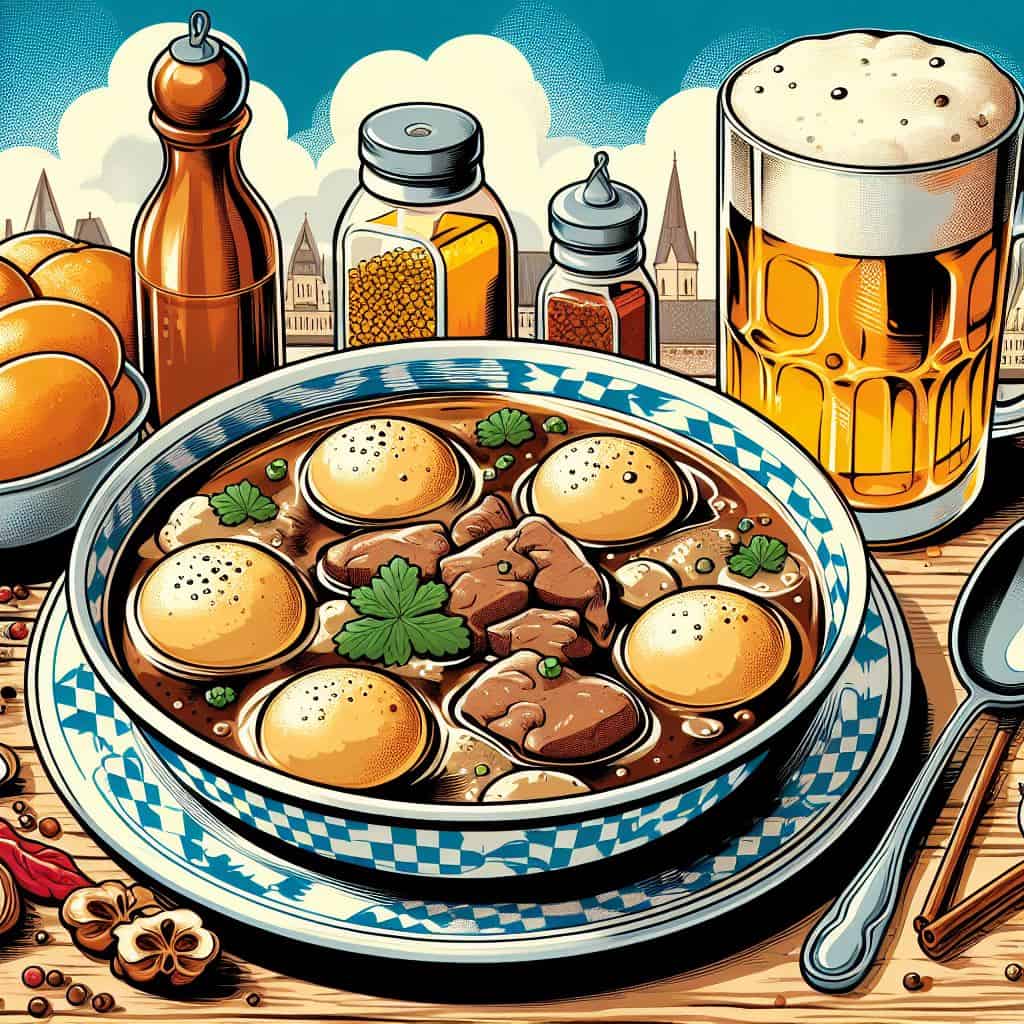
Some German soups are light and delicate, while others are meant to be hearty and satisfying. Leberknödelsuppe belongs firmly in the second group. This traditional soup combines liver dumplings with a savory broth and is especially associated with southern German cuisine. For anyone interested in traditional German food, it is one of those dishes that is worth knowing—even if liver dumplings may be a new idea at first.

What Is Leberknödelsuppe?
The name is actually quite straightforward. Leber means liver, Knödel means dumpling, and Suppe means soup. Put them together and you have liver dumpling soup.
The traditional version consists of one or more liver dumplings served in a clear, savory broth. The dumplings are generally made from liver combined with bread or bread crumbs, egg, onion, herbs, and seasonings. The result is much more substantial than an ordinary clear soup, because the dumpling itself provides most of the texture and richness.
Leberknödel are not limited to Bavaria, either. They are part of the broader culinary tradition of southern Germany and can also be found in neighboring regions. German regional cuisine has always been shaped by local ingredients and practical, hearty cooking, and dishes such as liver dumplings fit naturally into that tradition.
Leberknödelsuppe and Bavarian Food Culture
When people outside Germany think about Bavarian food, they often immediately think of pretzels, Weisswurst, pork knuckle, sauerkraut, and beer. Those foods certainly belong to the picture, but Bavarian and southern German cuisine is much broader than the dishes most often seen by tourists.
Leberknödelsuppe represents another side of that food culture: simple, filling food that can be served as a starter or as a satisfying meal in its own right. It is the kind of dish that makes sense on a cold day, when a bowl of hot broth and a substantial dumpling are much more appealing than something light.
That is also why I think Leberknödelsuppe deserves more attention outside Germany. It is very different from the German foods that have already become familiar in the United States, but it gives you another taste of what traditional southern German cooking can be like.
What Are Leberknödel Made Of?
Traditional liver dumplings are based on a relatively simple mixture. A homemade recipe can include:
- Liver, traditionally beef or pork liver depending on the regional recipe
- Stale bread or bread rolls
- Egg
- Onion
- Parsley and other seasonings
- Salt and pepper
- Marjoram, which is commonly used in German sausage and dumpling preparations
The bread helps give the dumplings structure, while the liver provides their distinctive flavor. The finished dumpling should be firm enough to hold together but still pleasantly tender when cut open.
How Traditional Leberknödel Are Prepared
Making liver dumplings from scratch takes a little more work than making an ordinary bread dumpling. The liver is finely minced or processed, while the bread is softened and combined with the other ingredients. The mixture is then seasoned and shaped into dumplings.
One important point is consistency. If the mixture is too wet, the dumplings can be difficult to shape and may not hold together during cooking. If it is too dry, they can become dense. This is one reason recipes often use breadcrumbs or adjust the amount of soaked bread depending on the ingredients.
The finished dumplings are then gently cooked in broth. They should be cooked through without being aggressively boiled, which can make delicate dumplings break apart.
My Simple Homemade Version
If I were making Leberknödelsuppe at home, I would keep the preparation fairly traditional rather than trying to modernize it too much. For about eight dumplings, a practical starting point would be:
- 200 g / 7 oz beef liver
- 4 stale bread rolls
- 250 ml / 8.5 fl oz milk
- 1 small onion
- 1 egg
- 30 g / 1.1 oz butter
- 10 g / 0.35 oz fresh parsley
- Salt and pepper
- Dried marjoram
- A little grated lemon zest
- Breadcrumbs as needed
- About 1.25 liters / 42.3 fl oz clear meat broth
Preparing the Dumpling Mixture
- Warm the milk until lukewarm. Do not bring it to a boil.
- Slice the stale bread rolls and place them in a large bowl. Pour the warm milk over them and let the bread soften.
- Peel and roughly chop the onion. Prepare the liver and cut it into smaller pieces.
- Finely mince or process the liver and onion until you have a fairly smooth mixture.
- Melt the butter in a pan and gently cook the parsley for a short time.
- Combine the softened bread, liver mixture, parsley, egg, and seasonings.
- Mix everything thoroughly. If the mixture is too soft to shape, add breadcrumbs a little at a time.
- With wet hands, shape the mixture into approximately eight dumplings.
Cooking the Leberknödel
- Bring the meat broth to a boil, then reduce the heat so it is gently simmering.
- Carefully place the dumplings into the hot broth.
- Cook them gently until they are cooked through. The exact cooking time depends on their size, so I would check one dumpling before serving.
- Serve the soup hot with fresh parsley or chopped chives.
Because the recipe contains raw liver, careful food handling is important. Use clean utensils and surfaces when preparing the mixture, and make sure the dumplings are fully cooked before serving.
A Much Easier Option from Germany
Making Leberknödel from scratch is certainly possible, but it is not something I would necessarily prepare every time I wanted a bowl of this soup. There is a much easier German option for anyone who wants to try the dish without making the dumplings themselves.
GermanBuy carries Zimmermann Leberknödelsuppe, a Bavarian liver dumpling soup made in Germany. The 400 ml / 13.5 fl oz can contains two liver dumplings in concentrated broth. According to the product instructions, the concentrate is mixed with water and heated gently to make approximately 0.7 liters / 23.6 fl oz of ready-to-eat soup.
This is a useful distinction from the homemade recipe above: you are not buying a soup mix and then making the dumplings yourself. The liver dumplings are already in the can, so the preparation is primarily about adding water and gently heating the soup.
What Does German Liver Dumpling Soup Taste Like?
The broth is savory and relatively mild, while the liver dumpling has a much more pronounced flavor. The combination is what makes the soup interesting. The broth provides warmth and balance, while the dumpling gives the soup its characteristic hearty taste and texture.
If you have never eaten liver dumplings before, the flavor may take a moment to get used to. This is not a creamy soup or a delicate vegetable broth. It is a traditional German dish with a distinctive ingredient at its center.
Fresh parsley or chives make a simple finishing touch. They add color and a fresh herbal note without changing the character of the soup.
Leberknödelsuppe as a Taste of Southern Germany
One of the things I enjoy about traditional German food is that it often tells you something about the region it comes from. Leberknödelsuppe is a good example. It belongs to the hearty cooking traditions of southern Germany and is closely associated with the kind of regional food that you encounter in traditional restaurants and home kitchens.
It also shows why German cuisine cannot be reduced to sausages, sauerkraut, and pretzels. There are many regional dishes that are less familiar internationally but are just as interesting once you give them a try.
Leberknödelsuppe at Home
If you enjoy cooking, making your own liver dumplings can be a rewarding weekend project. If you simply want to find out what traditional German Leberknödelsuppe tastes like, the ready-to-prepare Zimmermann version is considerably easier.
For me, that is one of the appealing things about traditional German food: there is room for both approaches. You can spend an afternoon preparing a dish from basic ingredients, or you can open a German product from the pantry when you want something quick and comforting.
Try a Bavarian Classic from Germany
German Liver Dumpling Soup from Zimmermann is currently available from GermanBuy. The product is made in Germany and offers an easy way to try a traditional southern German specialty without preparing liver dumplings from scratch.
If you are interested in more traditional German foods, you can also take a look at our German Oktoberfest food collection, where Leberknödelsuppe is listed alongside other German and Bavarian specialties.
Whether you make your own dumplings or simply heat up a can from Germany, Leberknödelsuppe is a good reminder that German cuisine has plenty of regional dishes waiting to be discovered.