Japanese Medicinal Plant Oil: Benefits, Composition and Uses
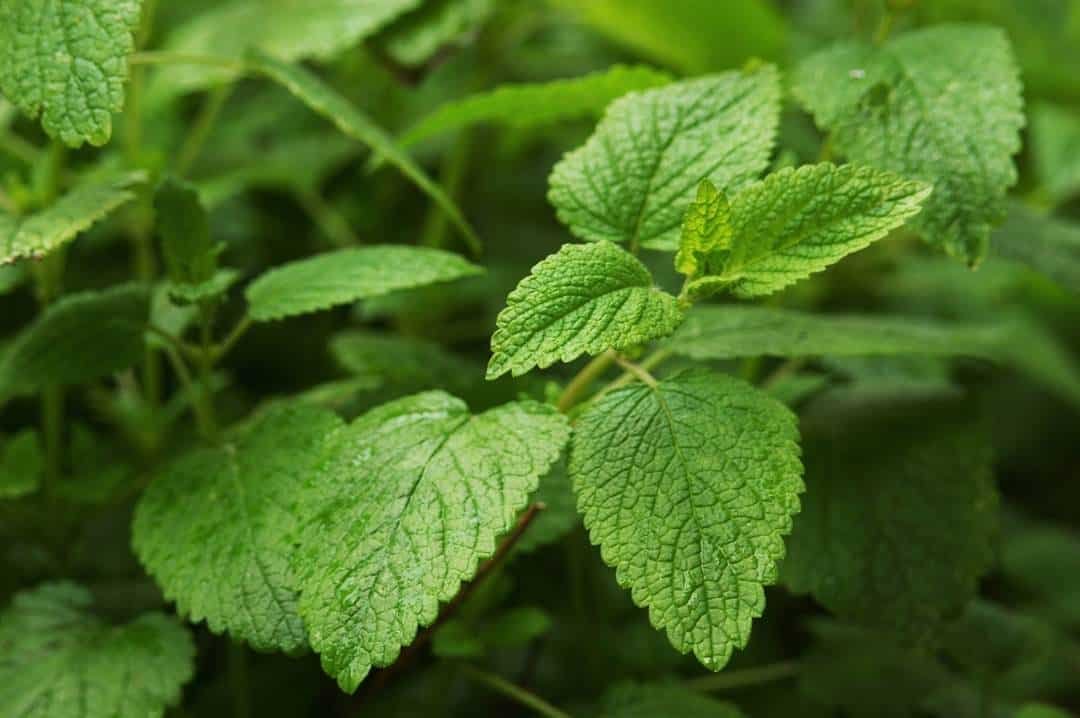
There is something slightly unusual about Japanese Medicinal Plant Oil. The name sounds as though the product should come from Japan, yet Japanese Mint Oil has long been familiar in Germany as a menthol-rich mint oil. At the same time, the mint behind the name has a genuine botanical and medicinal history in Japan and other parts of Asia.
That makes Japanese Mint Oil more interesting than its small bottle might suggest. Behind the strong, cooling aroma is a menthol-rich mint, a traditional method of producing and processing mint oil, and a botanical story that stretches across several countries.
What Is Japanese Medicinal Plant Oil?
Japanese Medicinal Plant Oil is a mint essential oil obtained from menthol-rich plants of the Mentha genus. In Germany, the name Japanisches Heilpflanzenöl is associated with pure mint oil used in different types of products, including products intended for external use or inhalation and, where specifically labeled, internal use.
The botanical background is more complicated than the common name suggests. The Japanese Pharmacopoeia has traditionally associated Japanese mint with Mentha arvensis var. piperascens. Modern genetic research, however, has identified almost all of the Japanese medicinal mint samples examined in one study as Mentha canadensis.
For anyone simply looking at a bottle of Japanese Mint Oil, there is no need to get lost in botanical nomenclature. The important point is that this is a menthol-rich mint oil with a characteristic fresh aroma and cooling sensation.
Why Is Japanese Mint So Closely Associated With Menthol?
Not all mint plants produce essential oils with the same composition. Some contain considerably more menthol than others. Menthol-rich forms of Mentha have therefore played an important role in the production of natural menthol for a very long time.
Menthol is the component most people immediately associate with the familiar cooling character of mint. It is also an important characteristic compound in many menthol-rich mint oils.
The exact composition can vary with the plant material and the way the oil is processed. Scientific analyses of Japanese medicinal mint found menthol as the main component in many of the samples studied, while also showing noticeable differences between individual samples.
From Mint Plant to Mint Oil
The production of mint oil begins with the plant material. Manufacturers commonly obtain the essential oil through steam distillation, which separates volatile aromatic compounds from the plant.
Menthol-rich mint is particularly interesting because menthol can crystallize as the oil cools. Producers can use this property during further processing, including cooling and filtration. Depending on the intended product, additional processing can then change the composition of the oil.
This helps explain why products made from menthol-rich mint do not necessarily have identical compositions. The plant itself matters, but so does everything that happens to the oil after distillation.
Why Is It Called Japanese Mint Oil?
This is probably the first question many international readers have.
The name reflects the history of menthol-rich mint in Japan. The Japanese Pharmacopoeia has used Mentha arvensis var. piperascens as the original plant for Japanese Mentha Herb and Mentha Oil. Genetic research has since shown that almost all of the Japanese market samples examined in one study were actually Mentha canadensis.
Japan is only part of the story. Medicinal mint has also been used and traded elsewhere in Asia. A recent comparison of medicinal mint products from Japan and China found Mentha canadensis in samples from both markets, although their essential-oil compositions were not identical. The Japanese samples were more often rich in menthol.
So the word Japanese should not be understood as a guarantee that the oil in a modern bottle was grown in Japan. It describes a botanical and historical connection that became part of the product name.
From Asia to the German Medicine Cabinet
This is where the story becomes particularly interesting for anyone outside Germany.
In Germany, pure mint oil is not limited to the world of fragrance or aromatherapy. Menthol-rich mint oil has also become part of the country’s tradition of herbal medicinal products. Depending on the individual product and its labeling, mint oil can be intended for external use, inhalation or internal use.
That distinction matters. A bottle of pure mint essential oil is not automatically a medicinal product, and products with similar ingredients do not necessarily have the same intended uses. The product category and its labeling determine how the oil should be used.
Japanese Mint Oil vs. Peppermint Oil
Japanese Mint Oil and peppermint oil are related, but they are not simply two names for the same product.
Japanese Mint Oil is associated with menthol-rich Mentha arvensis and Mentha canadensis material. True peppermint is generally associated with the hybrid Mentha × piperita. Both can contain substantial amounts of menthol, but their botanical origins and complete essential-oil compositions differ.
This distinction becomes important when comparing products. A strong mint aroma and a cooling sensation do not automatically mean that two mint oils are interchangeable.
What Does Japanese Mint Oil Contain?
The simplest answer is also the most useful one: a pure Japanese Mint Oil product can consist of 100% mint oil.
Menthol gives menthol-rich mint its distinctive cooling sensation, but natural mint oil is not the same thing as isolated menthol. It contains a mixture of naturally occurring volatile compounds.
The precise chemical profile depends on the plant material and how the oil has been processed. Scientific investigations of Japanese medicinal mint have found differences in essential-oil composition even among samples belonging to the same broader botanical group.
How Japanese Mint Oil Is Traditionally Used
The word medicinal in the German product name reflects the established place of mint oil in German herbal medicine. Depending on the individual medicinal product, mint oil may be used internally, inhaled or applied externally.
That does not mean every Japanese Mint Oil product has the same purpose. A medicinal product comes with specific labeling and instructions, while a cosmetic or essential-oil product may have a completely different intended use.
For that reason, the most useful way to think about Japanese Mint Oil is not as a universal remedy, but as a concentrated mint oil whose applications depend on the particular product.
Why Does Mint Oil Feel Cold?
The cooling sensation of mint is one of its most recognizable characteristics, and menthol is largely responsible for it.
Menthol interacts with cold-sensitive sensory receptors, especially the TRPM8 receptor. This activates signals that the nervous system interprets as cooling. The sensation does not mean that the oil has actually lowered the temperature of the skin by the same amount.
That explains why menthol-rich mint oil can feel surprisingly cold even when the oil itself is at room temperature.
Why German Japanese Mint Oil Attracts International Interest
For an international shopper, the combination of the name and the German origin can be confusing at first. Why would a product called Japanese Mint Oil be sold as a German product?
The answer lies in the history of the raw material and the way mint oil developed in different markets. The mint has a strong botanical connection to Japan and other parts of Asia, while Germany developed its own established traditions around finished mint-oil products.
That combination makes German Japanese Mint Oil unusual. It is not simply a Japanese product being imported into Germany. It represents a German-market tradition built around a mint with a much broader Asian history.
For international buyers who already know the term Japanese Mint Oil, this also explains why a German product can look familiar while still differing from products sold in Japan, China or elsewhere in Asia.
What to Check Before Buying Japanese Mint Oil
The name on the front of the bottle is only part of the information that matters. Before buying, check the ingredient declaration, the botanical information where provided, the intended use and the manufacturer’s instructions.
It is also important to distinguish between a pure essential oil, a cosmetic product and a medicinal product. Similar ingredients do not automatically give these products the same intended uses.
For readers looking specifically for the type of German product discussed in this article, Japanese Mint Oil is available from GermanBuy as a 100% pure mint oil product from Germany.
Using Concentrated Mint Oil With Care
Pure mint oil is highly concentrated. The fact that it comes from a plant does not make it harmless in every situation.
Use the product exactly as directed on its packaging. Do not assume that an oil intended for external or aromatic use is suitable for internal use. Likewise, do not transfer the dosage instructions of one medicinal product to a different mint oil simply because the ingredient name looks similar.
Particular care is appropriate around young children, the eyes and sensitive skin. Anyone considering internal use should follow the product information carefully and seek professional medical advice when appropriate, especially when taking medication or dealing with an existing health condition.
A German Product With an Asian Botanical Story
Japanese Medicinal Plant Oil is a good example of how a product name can hide a much bigger story.
The mint behind the oil has a genuine connection to Japan and other parts of Asia. Modern research has also shown just how interesting the botanical identity of Japanese medicinal mint can be. At the same time, menthol-rich mint oil became part of a different tradition in Germany, where it has been used in various herbal and medicinal contexts.
So when an international shopper comes across a German bottle labeled Japanese Mint Oil, the name is not quite as strange as it first appears. It brings together an Asian botanical history, the chemistry of menthol and a distinctly German tradition of working with concentrated mint oil.
And that is what makes this little bottle worth a closer look. Its story is not entirely Japanese and not entirely German. It is a small example of how plants, botanical knowledge and finished products have moved between cultures for a very long time.
Sources & Further Reading: