Homemade Berliner Buletten – A Classic German Recipe
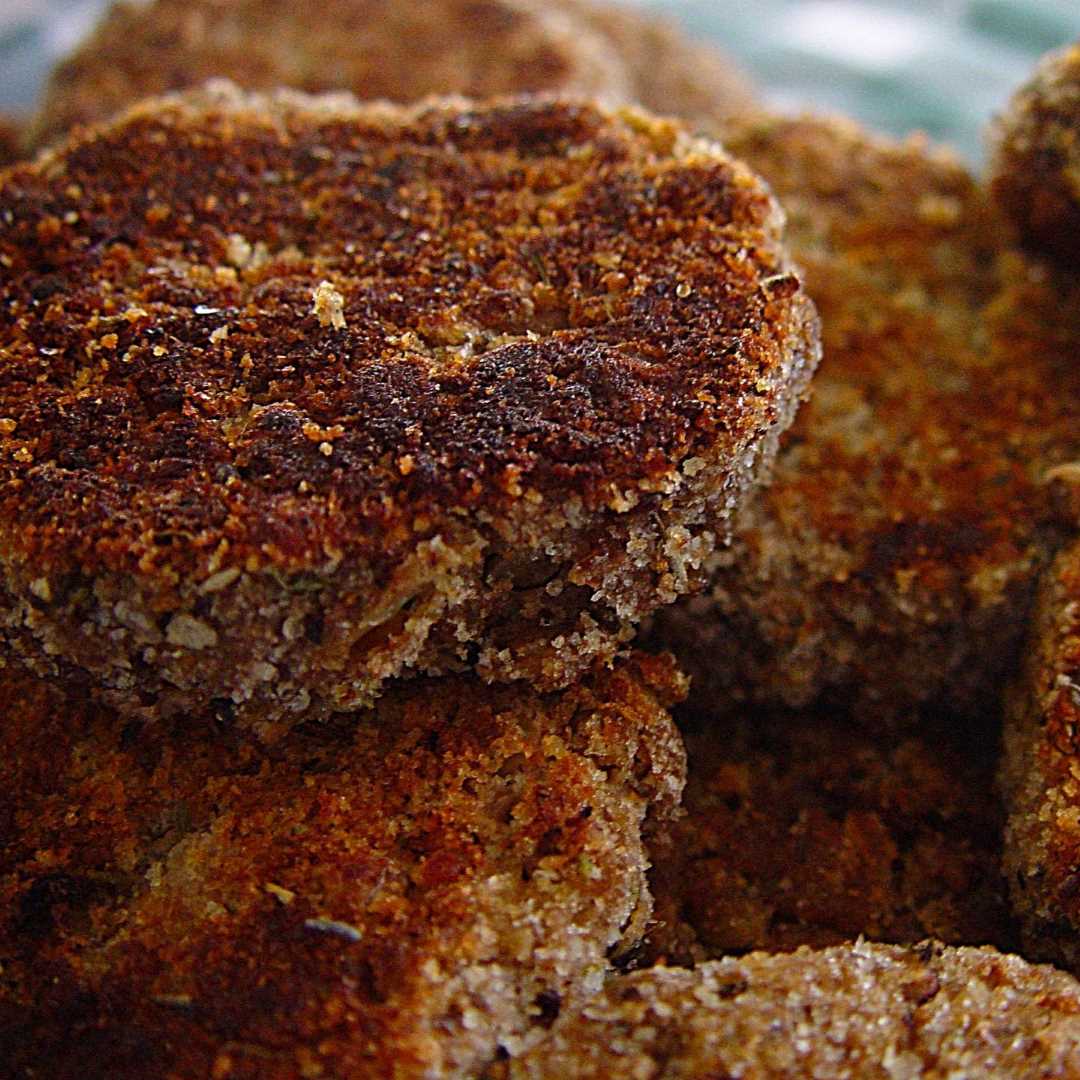
In Berlin, a fried meat patty is not usually called a Frikadelle. It is a Bulette. The word is one of those small details that immediately connects a familiar German dish with a particular city and its food culture.
Berliner Buletten are simple, hearty, and made for everyday eating. They belong to the kind of home cooking that also feels completely at home in a traditional Berlin pub: seasoned ground meat, onion, a little mustard, soaked bread, and a good crust from the frying pan. Served warm with potato salad, bread, or a simple side dish, they are an uncomplicated taste of Berlin.
What Are Berliner Buletten?
A Bulette is a fried patty made from seasoned ground meat. The basic idea is familiar throughout Germany, but Berlin has its own name and its own place for the dish in local food culture.
In Berlin, the word Bulette is so familiar that Frikadelle can sound noticeably less local. The official Berlin tourism site describes Bouletten as typical Berlin pub food, while the German dictionary Duden identifies Bulette as a term used particularly in Berlin.
The recipe itself is not complicated. Ground meat is mixed with onion, egg, seasoning, mustard, and soaked bread before the mixture is shaped into flat patties and fried until browned on the outside and cooked through.
Why Does Berlin Call Them Buletten?
The regional name is one of the most interesting things about the dish. Across much of Germany, you will hear Frikadelle. In Berlin and parts of northeastern Germany, Bulette is the familiar word. In Bavaria, another regional name is Fleischpflanzerl.
These names do not necessarily describe completely different dishes. They are regional words for variations of the same broad German tradition of seasoned minced meat shaped into a patty and fried.
That makes a Berliner Bulette a good example of something that happens often in German food culture: the food may be familiar across the country, while the name tells you where you are.
The French Influence Behind the Name
The history of the word Bulette leads outside Germany. Duden traces it to the French word boulette, a diminutive related to boule, meaning a ball.
The precise history of the dish itself is harder to establish. Berlin has a long history of French influence, particularly through the Huguenots who settled in Brandenburg from the late seventeenth century onward. Berlin food and language both contain traces of that French influence, and the Bulette is often mentioned in this context.
It is better, however, to speak of cultural influence than to claim that one group simply invented the Berliner Bulette. The exact origins of the dish are not firmly documented, but its French linguistic connection and its place in Berlin’s culinary history are well established.
What Makes a Berliner Bulette Different?
There is no single official recipe for Berliner Buletten. Like many traditional home-cooked dishes, recipes vary from kitchen to kitchen. Some cooks use beef, others use a mixture of beef and pork. The amount of onion, mustard, bread, and seasoning can also differ.
Still, a traditional-style Berliner Bulette is about more than simply frying ground beef. The mixture should be tender inside, well seasoned, and nicely browned on the outside.
One particularly useful ingredient is a day-old bread roll. In Berlin, a wheat roll is traditionally called a Schrippe. Older rolls work especially well because they absorb the liquid added to the mixture while helping give the finished Bulette a soft, cohesive texture.
If you are making the recipe in the United States and cannot find a German Schrippe, an ordinary day-old white bread roll works well. Breadcrumbs can also be used, but the soaked bread gives the mixture a texture that feels more traditional.
Traditional Berliner Buletten Recipe
This version keeps the ingredient list straightforward and focuses on the familiar flavors of Berlin-style home cooking.
Ingredients
- 500 g (about 1.1 lb) ground beef, or a mixture of ground beef and pork
- 1 small onion, finely chopped
- 1 day-old white bread roll or Schrippe
- 1 egg
- 1 tablespoon Bautzner Mustard
- 1 teaspoon Bad Reichenhaller Salt
- 1/2 teaspoon freshly ground black pepper
- 1–2 tablespoons chopped fresh parsley, optional
- A little milk or water for soaking the bread
- Neutral cooking oil for frying
How to Make Berliner Buletten
- Soak the bread. Break the day-old roll into pieces and soak it briefly in a little milk or water. Let it soften, then squeeze out the excess liquid.
- Prepare the onion. Finely chop the onion. If you prefer a slightly milder flavor, you can briefly cook it in a little oil before adding it to the meat mixture. Let it cool first.
- Mix the ingredients. Place the ground meat in a large bowl. Add the softened bread, onion, egg, mustard, salt, pepper, and parsley if using. Mix everything thoroughly, but do not knead the mixture excessively.
- Shape the Buletten. Divide the mixture into portions and shape them into round, fairly flat patties. Around 8 cm (3 inches) across and roughly 1.5 cm (about 1/2 inch) thick works well.
- Heat the pan. Add a small amount of neutral oil to a large frying pan and heat over medium heat.
- Fry the Buletten. Place the patties in the hot pan without overcrowding them. Fry for about 4–5 minutes on each side, depending on their thickness, until they are nicely browned and cooked through.
- Serve hot. Let the Buletten rest briefly before serving. They are especially good while still warm, when the outside is browned and the center remains juicy.
What Do Berliners Eat With Buletten?
One of the most natural companions for a Berliner Bulette is potato salad. Berlin cuisine has a strong tradition of straightforward, filling dishes built around potatoes, bread, and meat, and potato salad fits perfectly alongside a freshly fried Bulette.
If you would like to explore the wider German tradition behind this side dish, our article on German Potato Salad looks at the dish from a broader cultural perspective.
For a recipe you can make alongside your Buletten, you can also try our Classic German Potato Salad Recipe.
Buletten are also perfectly at home with a piece of good German bread or a fresh roll. In a traditional Berlin setting, the combination of a Bulette, bread, and mustard is about as uncomplicated as food gets.
Depending on the setting, sauerkraut, cucumber salad, or other simple vegetable sides can also work well. The important point is that Buletten do not need elaborate accompaniments. Their appeal is rooted in simple, satisfying food.
Why Every Bulette Recipe Is a Little Different
Traditional German recipes often survive not because everyone follows exactly the same ingredient list, but because the basic idea is flexible enough to be adapted at home.
That is certainly true of Buletten. Berlin has no single standardized mixture that every family or restaurant must follow. Variations can include different meat combinations, more or less onion, different types of bread, herbs, or individual preferences for seasoning.
The basic principle remains the same: seasoned ground meat, something to bind and soften the mixture, a hot frying pan, and enough patience to develop a good brown crust.
That flexibility is part of the character of the dish. A Bulette is not meant to be complicated or precious. It is everyday food.
Berliner Buletten and Berlin Food Culture
Buletten fit particularly well into the traditional image of Berlin cuisine: hearty, practical, and uncomplicated. They belong to the same culinary world as potatoes, bread, simple salads, and the classic dishes served in neighborhood pubs and casual restaurants.
There is also something distinctly Berlin about the language surrounding the food. A Schrippe rather than a Brötchen, a Bulette rather than a Frikadelle, and a simple plate of food rather than an elaborate presentation all help place the dish in its local setting.
That is what makes Berliner Buletten more interesting than simply calling them German meat patties. The basic food is familiar in many parts of Germany, but the name, the bread, the pub tradition, and the city’s French-influenced culinary history give the Berlin version its own identity.
A Taste of Berlin at Home
You do not need a complicated recipe to bring a little Berlin food culture into your kitchen. A few basic ingredients, a day-old roll, good mustard, and a hot frying pan are enough to make a satisfying plate of Berliner Buletten.
And if you serve them with potato salad and a little extra mustard on the side, you have a meal that captures something essential about traditional Berlin cooking: familiar ingredients, straightforward preparation, and plenty of flavor.