
When is Easter 2025 in Germany?
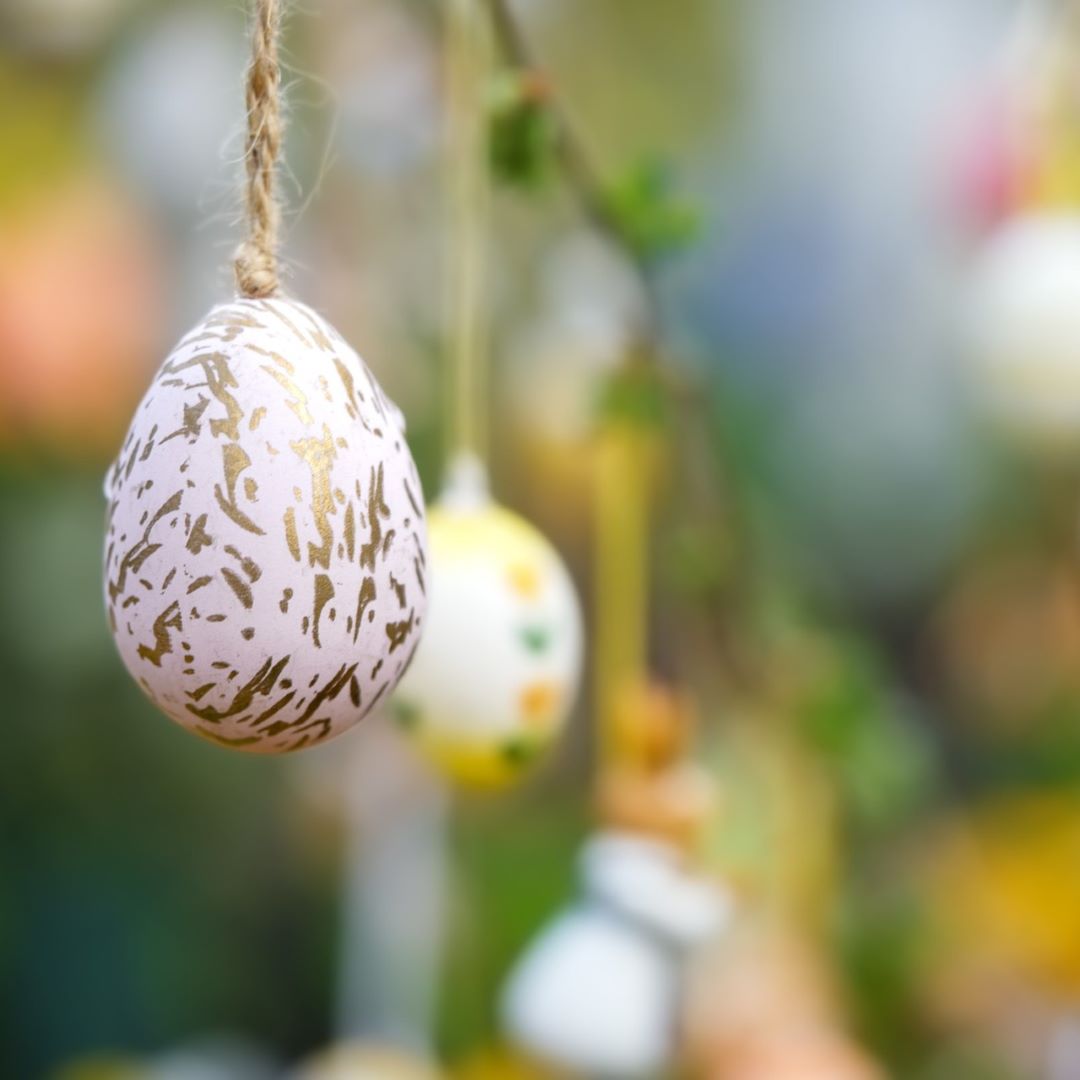
Easter 2025 in Germany falls on Sunday, April 20, 2025. Known as Ostern, Easter is one of the most important Christian celebrations in Germany. At the same time, it has become closely connected with spring, family traditions, and regional customs.
For visitors and anyone interested in German culture, Easter offers a good look at how religious traditions and everyday customs come together. Decorated eggs, Easter fires, Easter trees, seasonal foods, and the Easter Bunny all play a role, although traditions can vary considerably from one region or family to another.
When Is Easter in Germany in 2025?
In 2025, Easter Sunday falls on April 20. Good Friday, known in German as Karfreitag, is April 18. Easter Monday, or Ostermontag, follows on April 21.
Good Friday and Easter Monday are nationwide public holidays in Germany. Easter Sunday also has special legal status in some German states, but it is not an additional nationwide public holiday in the same way as Easter Monday.
The date of Easter changes every year. Western Christianity determines the date through an ecclesiastical calculation, which means the holiday can fall on different dates from one year to the next.
What Does Easter Mean in Germany?
For Christians, Easter celebrates the resurrection of Jesus Christ. The religious observance begins before Easter Sunday with Holy Week, or Karwoche. Important days include Palm Sunday, Good Friday, and Holy Saturday.
For many German families, Easter also has a strong seasonal and family side. Decorated eggs, spring flowers, chocolate Easter bunnies, family meals, and children’s Easter egg hunts are familiar parts of the holiday.
In everyday life, these traditions often exist alongside religious observance. That combination is one reason Easter can look quite different from one family to another.
German Easter Traditions
Germany has many regional Easter traditions. Some customs appear across the country, while others remain especially important in particular regions.
Easter Eggs and the Easter Bunny
Colorful Easter eggs are among the most familiar symbols of Easter in Germany. Families may dye or decorate eggs for the table, hang them from branches, or hide them for children to find.
The Osterhase, or Easter Bunny, is another well-known German Easter tradition. Children may search for chocolate eggs, candy, and small gifts that the Easter Bunny is said to have hidden.
The exact history of the Easter Bunny is difficult to establish. Regional traditions developed in different ways, so it would be misleading to reduce the custom to one simple ancient origin. Over time, however, the Easter Bunny became firmly established in German-speaking areas and remains an important part of modern Easter celebrations.
Osterbaum: The German Easter Tree
Another familiar German Easter tradition is the Osterbaum, or Easter tree. Families decorate branches with brightly colored eggs, ribbons, and other spring decorations.
The idea can be very simple. A family might place flowering branches in a vase and hang decorated eggs from them. In other places, Easter decorations become much more elaborate and extend into public spaces.
Germany Travel notes that Easter fountains are particularly associated with Franconian Switzerland. Numerous communities decorate their fountains with eggs, flowers, and garlands around Easter. Germany Travel has more information about these regional Easter traditions.
Osterfeuer: Easter Bonfires
The Osterfeuer, or Easter bonfire, is one of Germany’s best-known Easter customs. In many communities, people gather around large fires during the Easter period and spend time together outdoors.
The tradition varies from region to region. Northern Germany, including Lower Saxony, is particularly well known for large community Easter bonfires. Germany Travel describes these fires as a centuries-old tradition in parts of northern Germany. See Germany Travel’s overview of Easter traditions in Germany.
The symbolism often relates to light, spring, and the end of winter. The exact customs and explanations, however, differ between regions.
Good Friday in Germany
Good Friday, or Karfreitag, falls on April 18, 2025. It commemorates the crucifixion of Jesus Christ and remains one of the most solemn days in the Christian calendar.
Many Christians attend church services on Good Friday. Germany also recognizes the day as a nationwide public holiday. State laws give the day additional protection as a so-called silent holiday, although restrictions on public entertainment vary between federal states.
For visitors, this can affect events, entertainment venues, and business hours. A normal Friday schedule does not always apply.
Easter Sunday in Germany
Easter Sunday, Ostersonntag, falls on April 20, 2025. For Christians, it is the central celebration of Easter and marks the resurrection of Jesus Christ.
Church services remain important for many Christian families. Others celebrate mainly at home with family meals, Easter decorations, egg hunts, and seasonal treats.
Children may receive chocolate eggs or other small treats from the Easter Bunny. Decorated eggs also often become part of the home during the Easter season.
Easter Monday: Ostermontag
Easter celebrations continue on Monday, April 21, 2025. Ostermontag is a nationwide public holiday in Germany, giving most employees another day away from work after the Easter weekend.
Families may use the day for visits, walks, outings, or simply relaxing together. Most regular retail stores and many businesses close on public holidays, while restaurants and some attractions may remain open.
Traditional German Easter Foods
Food is another important part of Easter in Germany, although families do not follow one nationwide Easter menu.
One familiar Easter specialty is Osterlamm, a sweet cake baked in the shape of a lamb. The lamb has Christian symbolism and is often associated with Jesus as the Lamb of God.
Hefezopf, a braided sweet yeast bread, is another popular choice for Easter breakfasts and family gatherings. Many people serve it sliced with butter, jam, or other toppings.
Depending on the region and family tradition, Easter meals may also include lamb, ham, eggs, seasonal vegetables, or other festive dishes.
How Easter Traditions Developed
German Easter customs have developed over many centuries. Their history is not always a simple story of one tradition continuing unchanged from pre-Christian times into modern Germany.
Christian Easter traditions became established in Germany as Christianity spread. Other spring customs developed alongside them. Eggs, for example, became closely associated with Easter and new life, while fire and spring celebrations developed in different regions over time.
The name Ostern also has a complex linguistic history. Older explanations connected it directly with a goddess called Ostara, but that interpretation is not considered a reliable explanation today. Linguists and historians continue to discuss the exact origin of the name. Deutsche Welle discusses the history and uncertainty surrounding some of these Easter origin stories.
What is much easier to see today is the way Christian observance and seasonal customs coexist in German Easter celebrations.
Easter 2025 in Germany: What Visitors Should Know
If you are visiting Germany around Easter, keep the public holidays in mind. Opening hours can differ significantly from those of an ordinary week.
- Friday, April 18, 2025: Good Friday – nationwide public holiday
- Sunday, April 20, 2025: Easter Sunday
- Monday, April 21, 2025: Easter Monday – nationwide public holiday
Public transportation may follow holiday or Sunday schedules. Most regular retail stores are closed on Good Friday and Easter Monday. Restaurants, tourist attractions, and other businesses may set their own holiday opening hours.
For that reason, it is worth checking opening times before making specific plans. This is especially useful if you are traveling outside the larger cities or visiting smaller local attractions.
Easter in Germany: A Mix of Tradition and Spring
Easter in Germany brings together religious observance, family traditions, seasonal customs, and regional celebrations. Decorated Easter eggs, the Easter Bunny, community bonfires, and church services all form part of the picture.
In 2025, Easter Sunday falls on April 20, with Good Friday on April 18 and Easter Monday on April 21. For visitors and anyone interested in German culture, these days offer a useful glimpse into how longstanding traditions continue to shape everyday life in Germany.







One Comment
Comments are closed.