German Superfoods: Old Recipes, New Trends
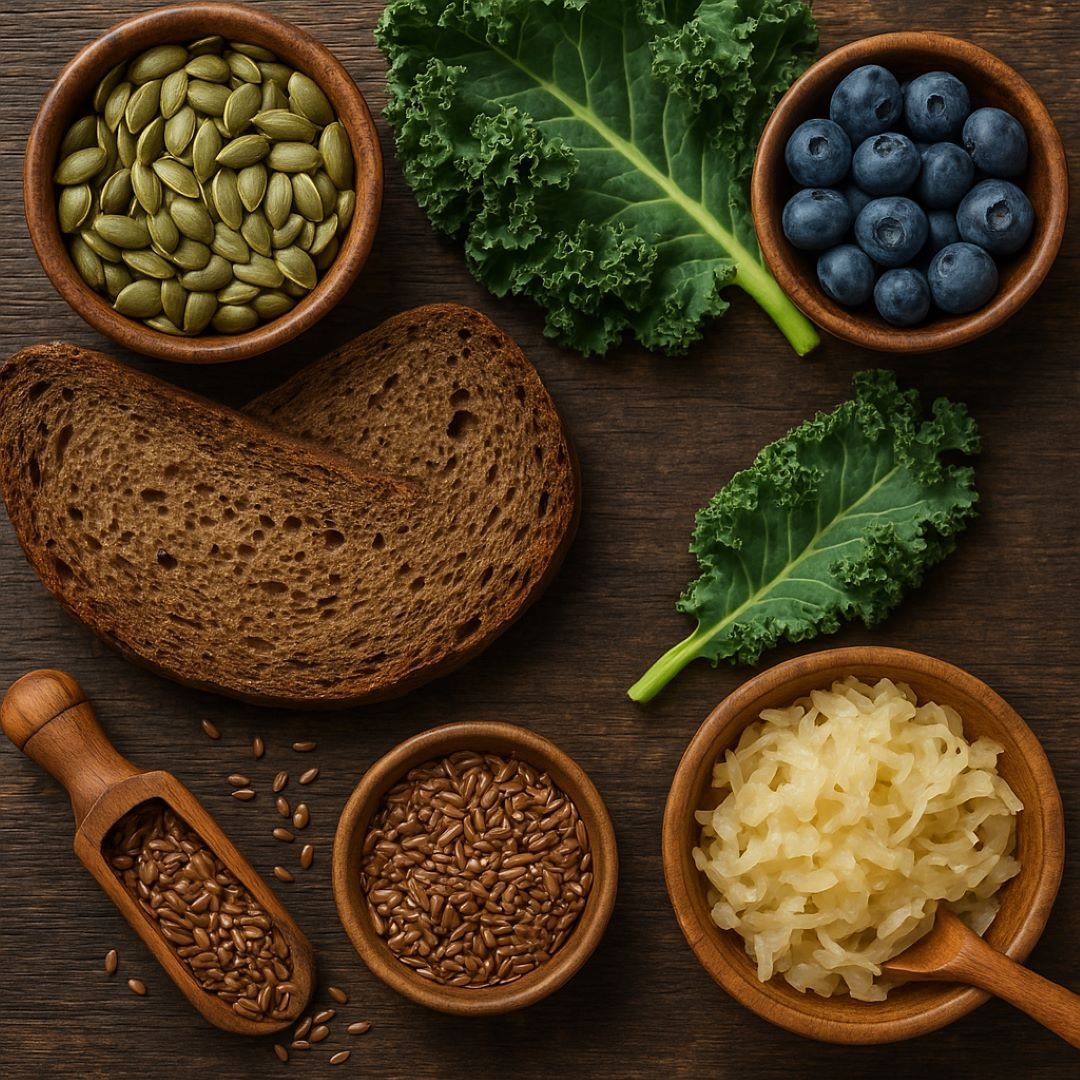
The word superfood sounds modern, but some of the foods now described that way have been part of German cooking for generations. Rye bread, sauerkraut, kale, flaxseed, pumpkin seeds, blueberries, and caraway are not new discoveries in Germany. They have long appeared in everyday meals, regional specialties, baking, and seasonal cooking.
That makes the idea of “German superfoods” interesting for another reason. Instead of looking at these foods only through today’s nutrition trends, it is worth looking at how they have actually been used in German kitchens.
What Does “German Superfood” Really Mean?
German superfood is not a traditional German culinary term. It is a modern way of describing familiar foods that are valued today for their nutritional qualities as well as their culinary versatility.
German cuisine has never depended on a formal category called superfoods. People cooked with the ingredients available to them, preserved foods for the colder months, baked with grains and seeds, and developed regional dishes around seasonal produce.
The modern superfood label simply gives some of these familiar ingredients a new context.
That distinction matters. A food does not become more traditionally German because it is now marketed as a superfood. Rye, cabbage, kale, and seeds were already part of German food culture long before the term became popular.
Rye: A Foundation of German Bread Culture
Rye is one of the clearest examples of an ingredient that connects German food traditions with modern interest in whole grains.
Rye has played an important role in Central European breadmaking for centuries. German baking developed a remarkable variety of rye and mixed-grain breads, from dense whole-rye loaves to breads made with a mixture of rye and wheat.
For many American readers, this is one of the most noticeable differences when discovering German bread. German rye bread is not simply wheat bread with a little rye added for flavor. Depending on the regional style and recipe, rye can be the dominant grain and can give the bread a distinctive texture, color, and flavor.
Today, rye is often highlighted because of its fiber content. In German food culture, however, its importance goes much deeper: it is part of a long-standing bread tradition.
Sauerkraut: Preservation Before the Superfood Trend
Sauerkraut may be one of the best-known foods associated with Germany outside the country. It is made by fermenting finely shredded cabbage, creating the characteristic sour flavor and allowing the cabbage to be preserved.
For generations, fermentation was an important way of extending the useful life of seasonal vegetables. Sauerkraut therefore belongs as much to the history of food preservation as it does to German cuisine.
Modern food discussions often focus on fermented foods and their microorganisms. That is an interesting aspect of sauerkraut, but it should not overshadow the traditional role of the food itself.
In German cooking, sauerkraut can accompany sausages, pork, potatoes, and other hearty dishes. It can also be used in simpler everyday meals. The flavor is distinctive enough that even a small serving can change the character of a dish.
GermanBuy also carries traditional German sauerkraut for customers who want to use the ingredient at home.
Kale: From Winter Vegetable to Modern Trend
Kale, known in German as Gruenkohl, has a particularly interesting place in regional German food culture.
In parts of northern Germany, kale is closely associated with winter meals and traditional regional dishes. It is often cooked for a substantial meal and served with potatoes and other hearty ingredients.
That image is rather different from the modern American idea of kale as a smoothie ingredient or salad green. The same vegetable can therefore tell two very different food stories.
In Germany, its traditional identity is closely connected to seasonality, regional cooking, and winter gatherings. The recent popularity of kale in international health-conscious cooking has simply introduced the vegetable to a much wider audience.
Flaxseed and Pumpkin Seeds in German Baking
Flaxseed and pumpkin seeds are another good example of ingredients that fit naturally into both traditional and modern cooking.
Seeds appear in German breads, rolls, cereals, baked goods, and other everyday foods. They can add texture and flavor without requiring an elaborate recipe.
Flaxseed is especially familiar in grain-based baking. Ground flaxseed can be incorporated into bread doughs and other recipes, while whole seeds are often used as a topping.
Pumpkin seeds are particularly associated with Central European cooking and are also used as a snack or topping. Their slightly nutty flavor works well with salads, breads, soups, and roasted vegetables.
From a modern nutritional perspective, both seeds are often discussed because of their fiber, fats, minerals, and other nutrients. From a culinary perspective, however, their appeal is much simpler: they taste good and add texture to familiar foods.
Blueberries and German Fruit Desserts
Blueberries, or Heidelbeeren in German, have their own place in German baking and dessert traditions.
They can be used in cakes, pancakes, fruit sauces, compotes, and other sweet dishes. In some regions, wild blueberries have also been part of traditional seasonal food gathering.
The modern popularity of berries for their antioxidant content has given blueberries another role in contemporary food culture. Yet a German baker does not need a nutrition trend as a reason to use them. A blueberry cake is simply a good cake.
Caraway: A Small Seed with a Distinctive German Flavor
Caraway, known as Kuemmel in German, may be less familiar to American cooks, but it is an important flavor in many Central European dishes.
Its distinctive aroma works particularly well with rye bread, cabbage, potatoes, and hearty meat dishes. Caraway can also be found in traditional regional recipes where its flavor is an important part of the dish rather than a decorative addition.
German recipes may use caraway whole or ground, depending on the dish. If you are unfamiliar with it, start with a small amount. Its flavor is quite pronounced, and a little can go a long way.
For a closer look at the ingredient itself, GermanBuy also has a separate guide to German caraway, or Kuemmel.
Old Ingredients, New Food Trends
The interesting thing about these foods is not that Germany suddenly discovered superfoods. Quite the opposite is true.
Many ingredients now promoted in modern food culture were already practical parts of traditional cooking. Rye was used because it was an important grain for breadmaking. Cabbage could be preserved through fermentation. Seeds were useful additions to bread and other foods. Kale was a dependable seasonal vegetable.
Modern food culture often looks at these same ingredients through a different lens, focusing more strongly on nutrients and specific dietary qualities.
Neither perspective needs to replace the other. Understanding the traditional use of an ingredient can actually make its modern popularity more interesting.
German Superfoods Are Often Regional Foods
It is also worth remembering that there is no single list of foods that represents all of Germany.
German food culture is strongly regional. The ingredients found in a traditional dish from northern Germany may be very different from those used in Bavaria, Saxony, Swabia, or the Rhineland.
The same ingredient can also have different cultural associations from one region to another. Kale is a particularly good example because its traditional importance is especially strong in parts of northern Germany.
This regional character is one of the reasons German food is more diverse than the familiar international image of sausages, sauerkraut, and pretzels might suggest.
A Simple German-Inspired Superfood Plate
You do not need to turn traditional German ingredients into a complicated health-food recipe. A simple plate can bring several of them together while keeping their familiar flavors intact.
Rye Bread with Sauerkraut, Pumpkin Seeds, and Caraway
Start with a slice of good rye or mixed-grain bread. Add a small serving of drained sauerkraut and sprinkle with toasted pumpkin seeds. A light scattering of caraway can provide the characteristic German flavor associated with rye bread and cabbage dishes.
For a milder version, serve the sauerkraut on the side rather than directly on the bread. You can also add sliced apple for a little sweetness and freshness.
This is not a traditional German recipe in the strict sense. It is simply a modern way to bring together several ingredients that have long been familiar in German kitchens.
Why Traditional Foods Keep Coming Back
Food trends change quickly. Ingredients that were once considered ordinary can suddenly become fashionable, receive a new name, and appear on restaurant menus far from where they were traditionally used.
German food offers plenty of examples of this cycle. Rye, fermented cabbage, kale, seeds, and berries can all be presented as modern ingredients while still having deep roots in everyday cooking.
There is something appealing about that connection between old and new. A food does not have to be invented yesterday to fit today’s table.
The German Superfood Story Is Really a Food Culture Story
Calling rye, sauerkraut, kale, flaxseed, pumpkin seeds, blueberries, or caraway “superfoods” can be useful when introducing these ingredients to an international audience. But the label is only part of the story.
The more interesting story is how ordinary ingredients became part of regional dishes, family recipes, seasonal traditions, and everyday German meals.
That is why I would rather look at German superfoods through the kitchen than through a list of health claims. The ingredients are interesting not only because of what they contain, but because of what Germans have been doing with them for generations.