Do Germans Love Bubble Baths? A Historical and Cultural Exploration
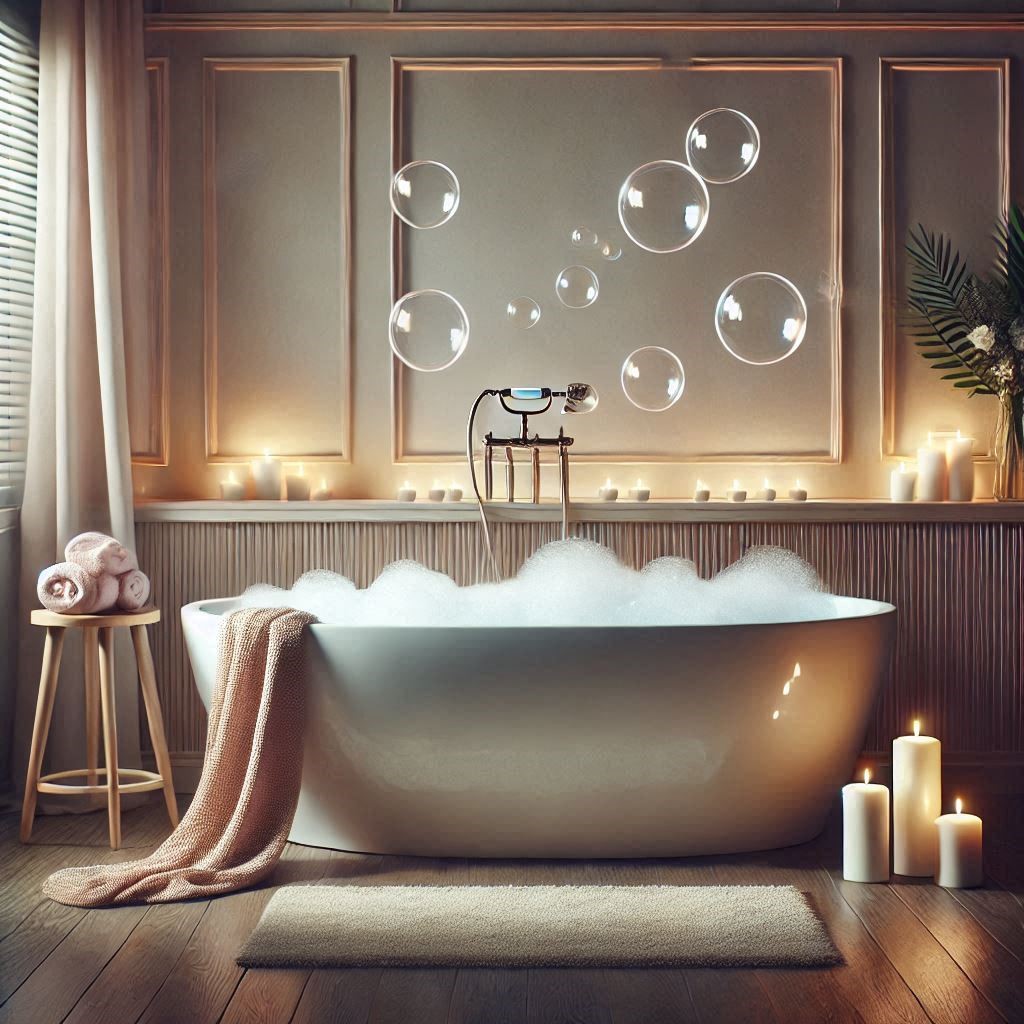
Do Germans Love Bubble Baths? A Look at German Bath Culture
Do Germans love bubble baths? There is no simple answer to that question. Not every German takes baths regularly, and there is certainly no national rule that says Germans prefer a bathtub to a shower. But bathing does have a long and interesting place in German culture, from the water traditions associated with Sebastian Kneipp to the familiar bottles of Schaumbad found in German bathrooms.
What makes German bath culture especially interesting is the variety of products that have developed around the simple idea of taking time for a bath. Some are designed to create mountains of foam, others add oils or salts, while others are all about fragrance. A bath can be a practical family routine, a quiet evening ritual, or simply a pleasant way to enjoy a particular scent.
Bathing Has a Long Tradition in Germany
Bathing in Germany has a much longer history than the modern bubble bath. Public bathing traditions existed in different forms over the centuries, while mineral springs and spa towns became an important part of European and German bathing culture.
Germany is particularly associated with Kur and spa traditions. Towns with mineral springs developed around the idea that water could be an important part of a stay focused on rest, bathing, and health. The famous Bad found in the names of many German spa towns reflects this history.
But bathing was not only something that happened in a spa. Over time, the bathtub became increasingly familiar in private homes, and bathing gradually became part of ordinary domestic life.
Sebastian Kneipp and German Water Culture
One name is almost impossible to separate from the history of German water culture: Sebastian Kneipp.
The Bavarian priest developed a system of water applications in the 19th century that included different forms of bathing, water treatments, and other applications. His ideas became widely known and eventually developed into a broader lifestyle tradition.
The company that carries his name today traces its roots back to 1891, when Kneipp and the Würzburg pharmacist Leonhard Oberhäußer established the foundation for the brand. Kneipp’s philosophy and the use of plants became important parts of the company’s later product development.
This does not mean that every German bath is a Kneipp bath. The interesting point is that German bathing culture developed within a wider tradition in which water, plants, fragrance, and personal well-being were often closely connected.
From Water Tradition to the Modern Schaumbad
The modern German Schaumbad is much simpler than the elaborate bathing traditions of the past. Add a small amount of bath product to warm water, and the surface fills with foam.
During the 20th century, commercially produced bath additives became increasingly familiar in German households. Products could turn an ordinary bathtub into something that felt a little more special, whether through abundant foam, fragrance, oils, or botanical ingredients.
The development of bath additives also became closely connected with Germany’s growing consumer and drugstore culture. By the second half of the 20th century, bath products were no longer something reserved for spas or special occasions. They had become ordinary household products.
Why Schaumbad Became So Familiar
There is something wonderfully simple about a Schaumbad. The bathtub does not change, but the experience does.
Foam creates a visual difference immediately. Fragrance changes the atmosphere of the bathroom, and the ritual of filling the tub encourages you to slow down for a while. For some people, that is enough to make an ordinary evening feel different.
That is also why German bath products have developed into such a diverse category. A product can be chosen because of its fragrance, its foam, its oils, its botanical ingredients, or simply because it reminds someone of a familiar bath at home.
Not Every German Bath Is a Bubble Bath
The word Schaumbad can be translated quite naturally as “bubble bath” or “foaming bath,” but German bath culture includes much more than products designed to produce foam.
- Schaumbad: a bath additive designed to create foam in the bathwater.
- Badeöl: a bath oil, generally chosen for its oils, fragrance, or rich bathing experience.
- Badesalz: bath salt, often associated with minerals, fragrance, or a particular bathing theme.
- Cremebad: a cream-style bath additive with a different feel from a traditional foaming bath.
- Badebomben: solid bath products that dissolve and fizz in the water.
So when Germans talk about taking a bath, the product standing beside the bathtub does not necessarily have to be a bottle of Schaumbad.
A Family Bath Can Be Something Quite Different
One good example is HiPP Family Bath & Shampoo Sensitive. Its gentle family-oriented character is very different from a heavily fragranced luxury bath product.
The slightly blue color of the bath water gives it a distinctive appearance, while the large one-liter bottle makes it the kind of product that fits naturally into a family bathroom. It shows an important side of German bath culture: not every bath product is about creating an elaborate spa experience. Some are simply practical products intended to make everyday bathing pleasant.
That difference is worth remembering when looking at German products from outside Germany. A German bath shelf can contain products for children, families, fragrance lovers, traditional herbal bathing, and simple everyday use all at the same time.
When a Bath Becomes a Fragrance Experience
Then there are products that are chosen almost entirely because of the atmosphere they create.
Herbacin Mountain Pine Spa Bath is a good example. Its mountain pine fragrance brings a completely different character to the bath.
I particularly like the way a scent like this can change the feeling of the whole bathroom. The fragrance of mountain pine can make you think of walking through a pine forest, with that distinctive fresh, woody smell in the air. For me, it is easy to imagine settling into a warm bath and feeling as though the atmosphere of a pine forest has somehow followed you indoors.
That is one of the more interesting things about bath products. The experience is not only about the water or the foam. Fragrance can create a sense of place and bring back memories of forests, herbs, flowers, or simply a familiar bathroom at home.
German Bath Culture Has Its Own Classics
Some German bath products have become recognizable parts of everyday life and popular culture.
Fenjal Creme Ölbad Classic, for example, represents a different style from a traditional foaming bath. The brand is closely associated with its characteristic fragrance and cream-oil bathing experience.
badedas Classic Vital belongs more directly to the familiar world of German Schaumbad products, where abundant foam and a distinctive fragrance are part of the experience.
And then there is Badusan Original, which adds an entirely different chapter to the story.
Badusan and the Bath Culture of East Germany
Badusan is particularly interesting because it is connected with everyday life in the former German Democratic Republic, or GDR. The brand was introduced in 1958 and became one of the best-known bath products in East Germany. Its original advertising and distinctive fragrance became part of everyday consumer culture.
Even the advertising slogan became memorable: “Baden mit Badusan.” The brand’s history is a reminder that bath products can become more than household goods. A particular bottle, fragrance, or advertising jingle can become part of personal memories and an entire generation’s cultural experience.
Badusan survived the end of the GDR and was later revived as a brand. That makes it an especially interesting example of how products from East German everyday life can continue to exist in modern Germany.
From Herbal Baths to Modern Bath Products
The connection between plants and bathing also has a long history in Germany. Kneipp’s tradition placed considerable emphasis on water applications and plant-based preparations, and the modern Kneipp company continues to offer a wide range of bath products.
According to the company’s own history, bath additives became an important part of the Kneipp range during the 1970s, followed by products such as oil baths and bath salts.
This helps explain why botanical fragrances are so familiar in German bath products. Pine, eucalyptus, lavender, herbs, flowers, and other plant-inspired scents are not unusual choices. The modern products are very different from the water treatments associated with Kneipp himself, but they belong to a broader German tradition of connecting bathing with plants and fragrance.
Do Germans Really Love Bubble Baths?
So, back to the original question.
Do Germans love bubble baths? Some certainly do. Schaumbad is a familiar German household product, and bathing has a long cultural history in Germany. But it would be an exaggeration to say that Germans as a whole have a special love of bubble baths.
Some people prefer showers. Some rarely use a bathtub. Others enjoy a long bath whenever they have the time. And among those who do take baths, one person may want a mountain of foam while another prefers bath oil, salts, or a subtle herbal fragrance.
That variety is actually what makes German bath culture interesting.
A German Bath Can Be a Small Everyday Luxury
You do not need a historic spa town or an elaborate wellness retreat to understand the appeal of bathing in Germany.
Sometimes it is simply a bathtub at home, a bottle of Schaumbad beside it, and a little time without having to hurry. Sometimes it is the familiar fragrance of a product that has been part of a family bathroom for years. And sometimes it is something as simple as the scent of mountain pine turning an ordinary evening bath into an imagined walk through a German forest.
That may be the best answer to the question of whether Germans love bubble baths. There is no single German way to bathe, but there is certainly a long tradition of making the bath more than just a way to get clean.
From Kneipp’s water traditions to family bath products, classic Schaumbad, and fragrances inspired by forests and herbs, German bath culture is really a story about the small rituals people create around everyday life.
Bathing habits and product preferences vary from person to person. Product formulations and packaging may change; please follow the instructions on the product you are using.
Sources and Further Reading